Natural & Organic Pest Control for Chemical-Free Gardens
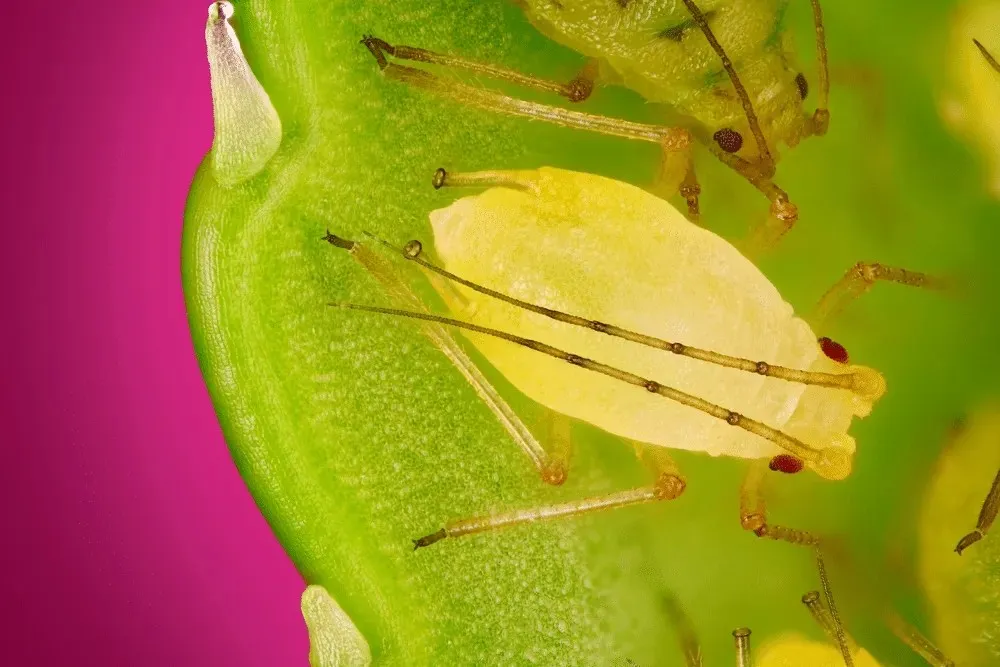
Every gardener eventually encounters hungry insect pests and opportunistic weeds, but reaching for synthetic broad-spectrum insecticides or chemical herbicides disrupts the very ecosystem your garden depends on to thrive. Conventional chemical sprays wipe out honeybees, native solitary bees, ladybugs, green lacewings, predatory ground beetles, garden spiders, and beneficial soil microbes right alongside target pests—often triggering even worse secondary pest outbreaks when pest populations rebound faster than their natural predators. At Amaral Farm, we practice organic Integrated Pest Management (IPM): a prevention-first philosophy that works in harmony with nature to keep insect populations in balance without poisoning your family's harvest, pets, or groundwater.
When you understand the life cycles, host preferences, and seasonal habits of common garden pests—such as aphids, cutworms, Japanese beetles, earwigs, leaf miners, flea beetles, cabbage loopers, and cabbage root maggots—you can intervene early using targeted, biodegradable, plant-safe remedies.
Prevention First: Living Soil, Crop Rotation & Companion Planting
Pest-resistant plants always begin with balanced organic soil nutrition. Over-fertilizing vegetable or flower beds with synthetic high-nitrogen fertilizers forces rapid, watery, thin-walled cell growth flooded with free amino acids and simple sugars—acting like a dinner bell for sap-sucking aphids, whiteflies, and spider mites. In contrast, plants grown in compost-amended soil filled with diverse microbial life and steady trace minerals develop thicker leaf cuticles and natural protective phytochemicals that make them far less attractive to pests.
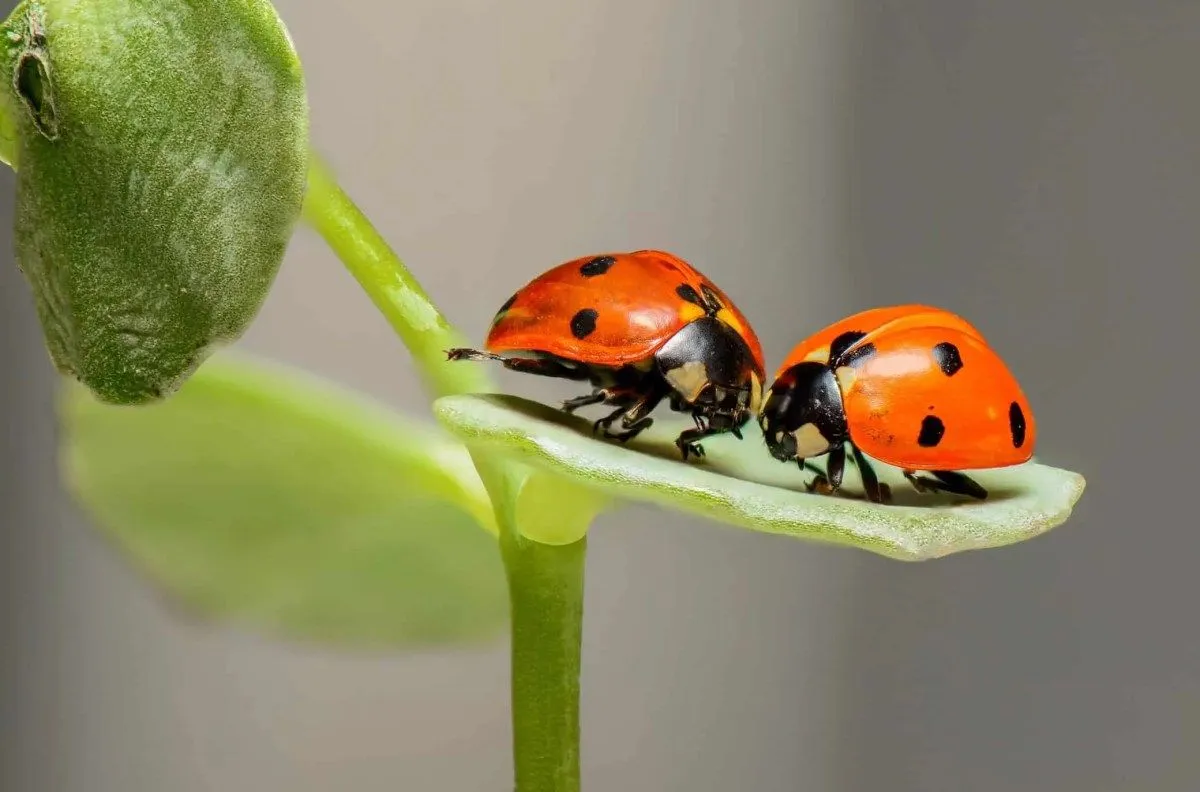
Rotating plant families (such as nightshades, brassicas, cucurbits, legumes, and alliums) to different beds each season prevents soil-overwintering pupae and larvae—like cabbage root maggots or Colorado potato beetles—from multiplying in place year after year. Surrounding vulnerable vegetable crops with aromatic culinary herbs and insectary companion flowers (including sweet basil, rosemary, thyme, chives, dill, coriander, calendula, nasturtiums, and French marigolds) masks host-plant volatile scents while providing nectar and pollen that recruit beneficial predators—such as ladybug larvae, hoverfly larvae, assassin bugs, and parasitic braconid wasps—to patrol your foliage around the clock.
Mechanical Controls, Row Covers & Daily Garden Walks
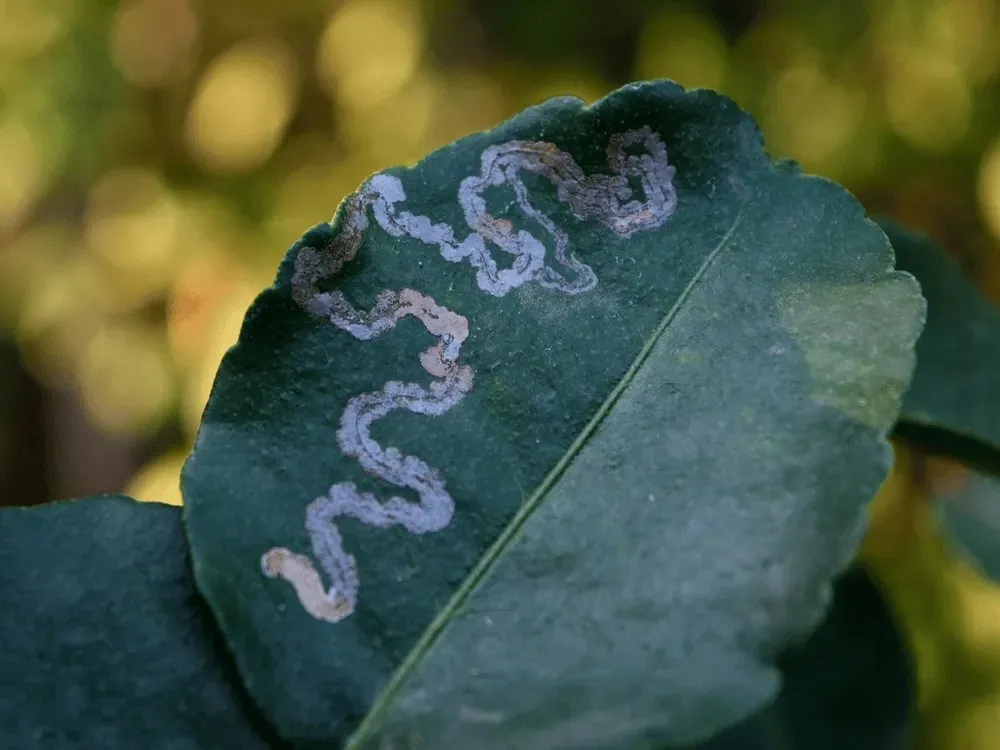
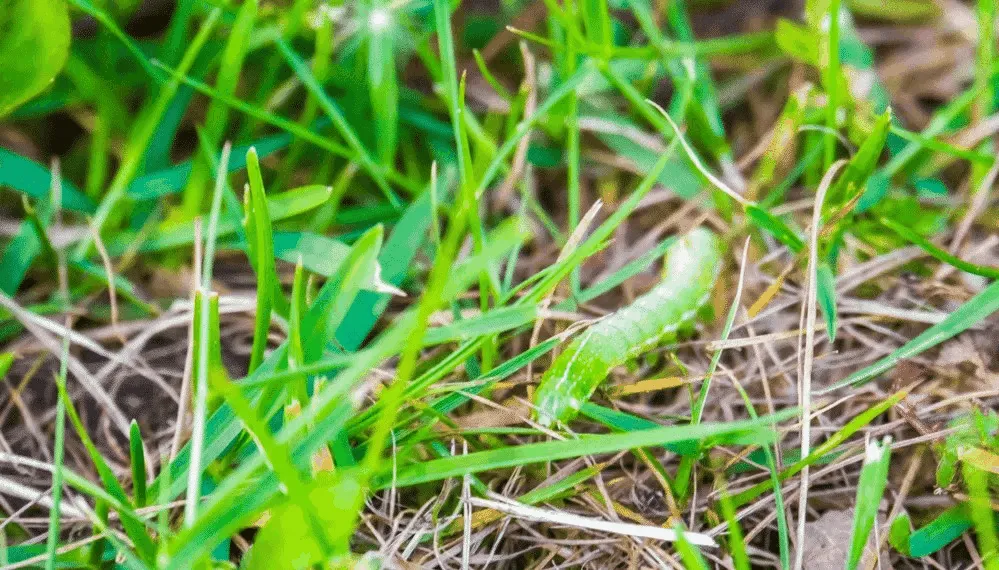
Often the simplest physical barriers and mechanical controls are the most effective and completely non-toxic. Pressing a three-inch cardboard tube, toilet-paper roll, or aluminum foil collar an inch into the soil around newly transplanted tomato, pepper, broccoli, and lettuce stems physically blocks nocturnal cutworms from curling around and severing tender seedlings at the soil line. Draping lightweight, breathable floating row covers over brassicas, spinach, beets, and Swiss chard immediately after seeding prevents adult flies and moths from landing on leaves to lay the eggs that become serpentine leaf miners, imported cabbageworms, and root maggots.
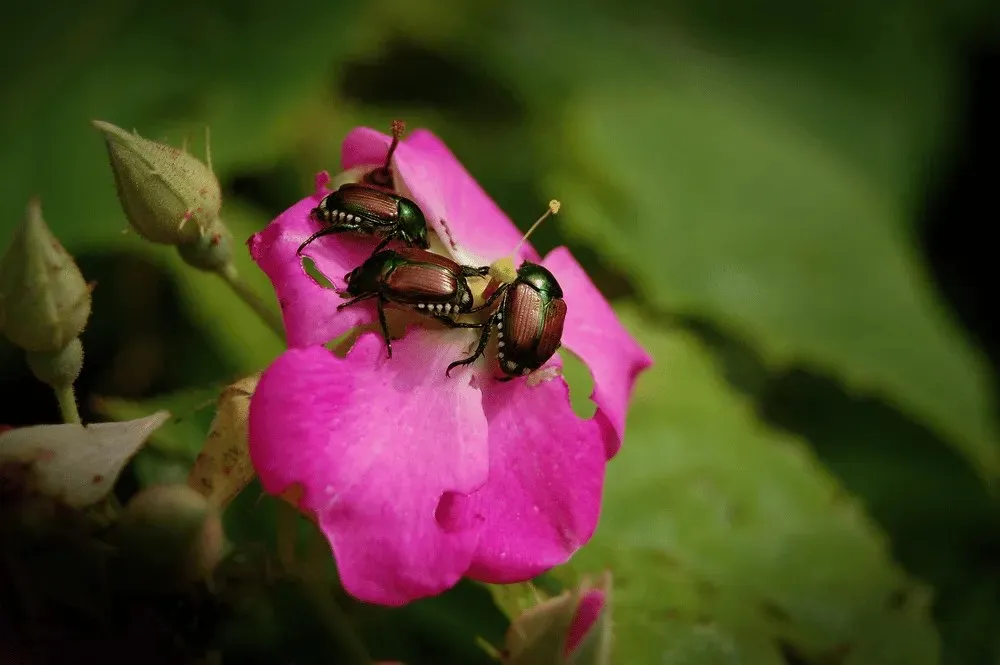
For larger foliage feeders like Japanese beetles, tomato hornworms, and earwigs, a five-minute morning walk through the garden works wonders. In the cool early morning when beetles are sluggish, tap them off leaves into a bucket of soapy water rather than shaking them onto the ground or using pheromone bag traps that lure even more beetles from neighboring yards. Rolled-up damp newspaper tubes or shallow soy-sauce-and-olive-oil traps set out overnight safely capture nocturnal earwigs hiding in dahlia petals and leafy greens.
Botanical Sprays, Cold-Pressed Neem Oil & Organic Weed Suppression
When a localized infestation requires direct treatment, choose gentle, fast-degrading organic sprays and apply them strictly in the evening after bees and diurnal pollinators have stopped flying. Cold-pressed neem oil (rich in natural azadirachtin) emulsified with a few drops of pure liquid castile soap and warm water acts as a potent antifeedant and insect growth regulator against aphids, mites, leaf miners, and soft-bodied larvae without leaving toxic residues in soil. Always test any homemade spray on two or three leaves twenty-four hours before treating an entire plant, and avoid spraying oil solutions when daytime temperatures exceed 85°F. A brisk jet of water from a hose nozzle dislodges aphid clusters on sturdy stems, while heavy organic mulching, occultation tarping, hoeing at the white-thread seedling stage, and targeted horticultural vinegar sprays keep walkways and beds weed-free. Read our in-depth organic pest control articles below to protect your garden naturally.