Cultivating Heirloom Flowers, Bulbs & Pollinator Sanctuaries
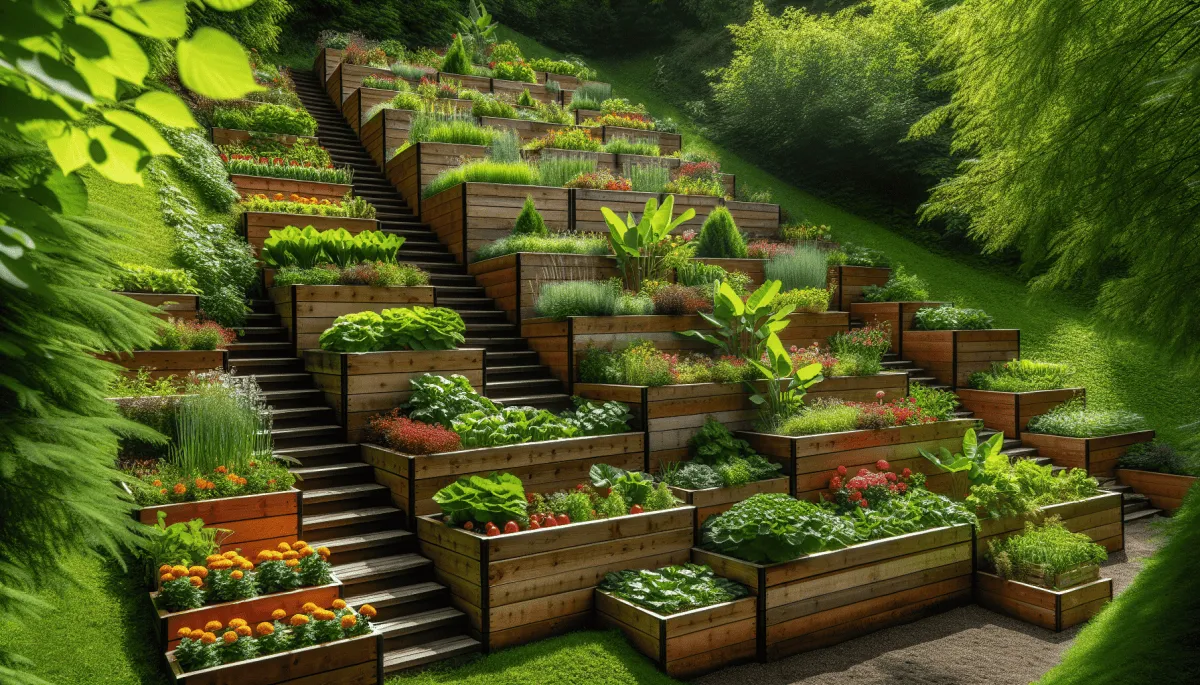
A thriving organic garden is never complete without flowers. At Amaral Farm, ornamental blooms and perennial bulbs are woven throughout our food plots, orchard understories, and walkway borders—not only for their breathtaking color and fragrance, but because flowering plants are the ecological engine of a balanced backyard homestead. Nectar- and pollen-rich blossoms attract native bumblebees, honeybees, monarchs, swallowtail butterflies, hoverflies, lacewings, and beneficial parasitic wasps that pollinate your fruit and vegetable crops while keeping garden pests naturally in check.
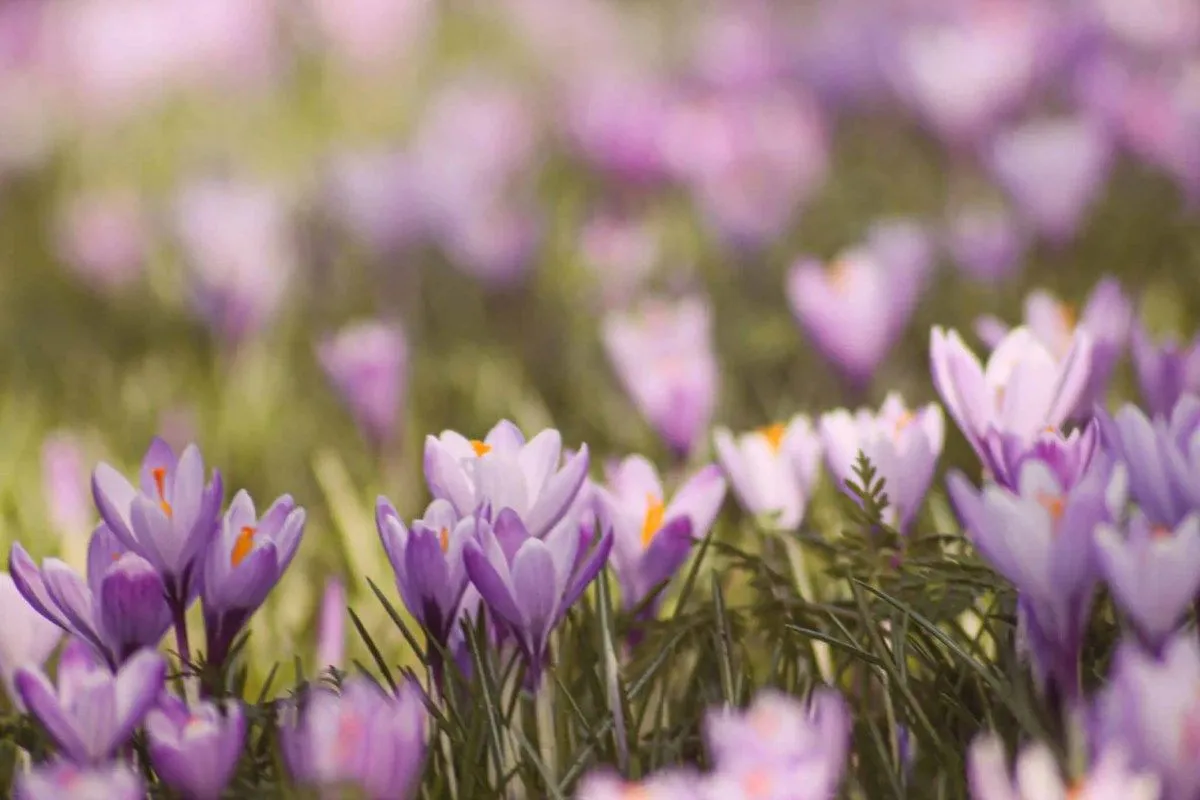
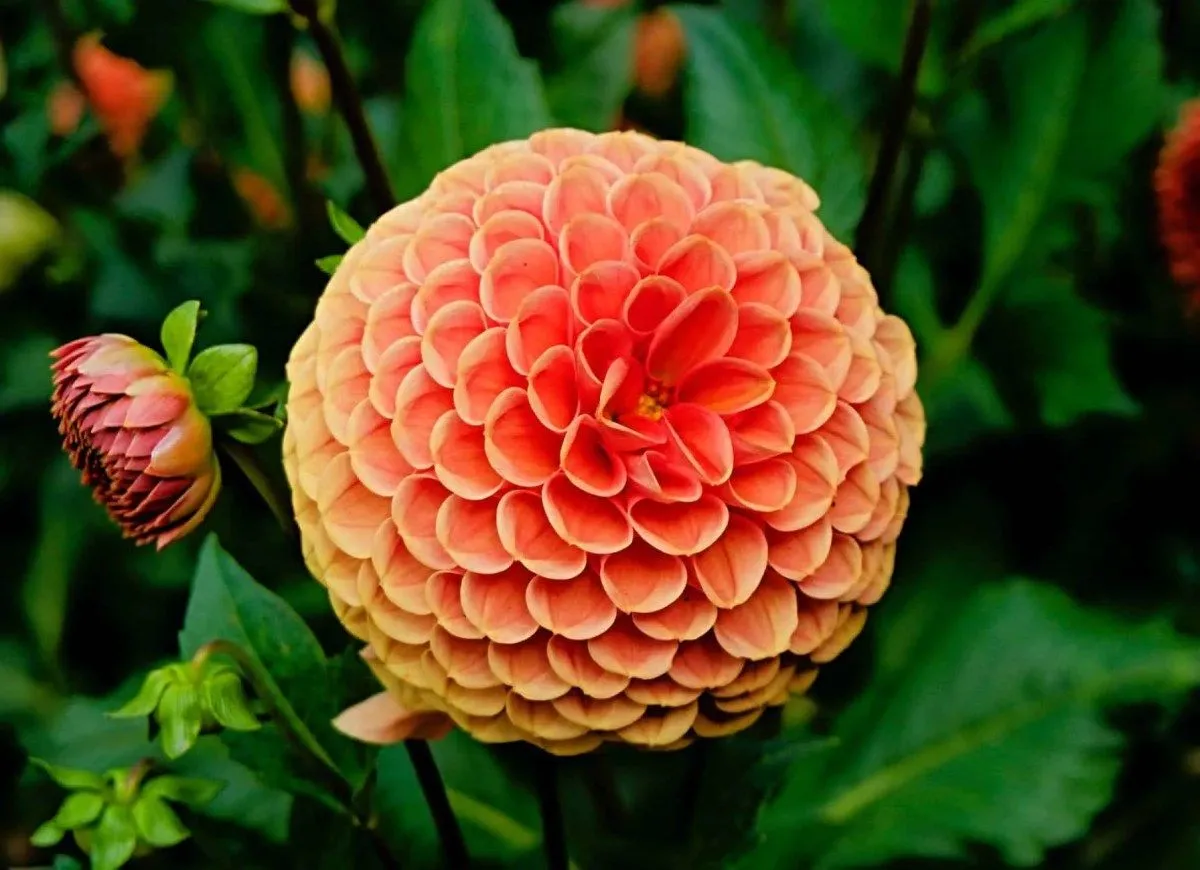
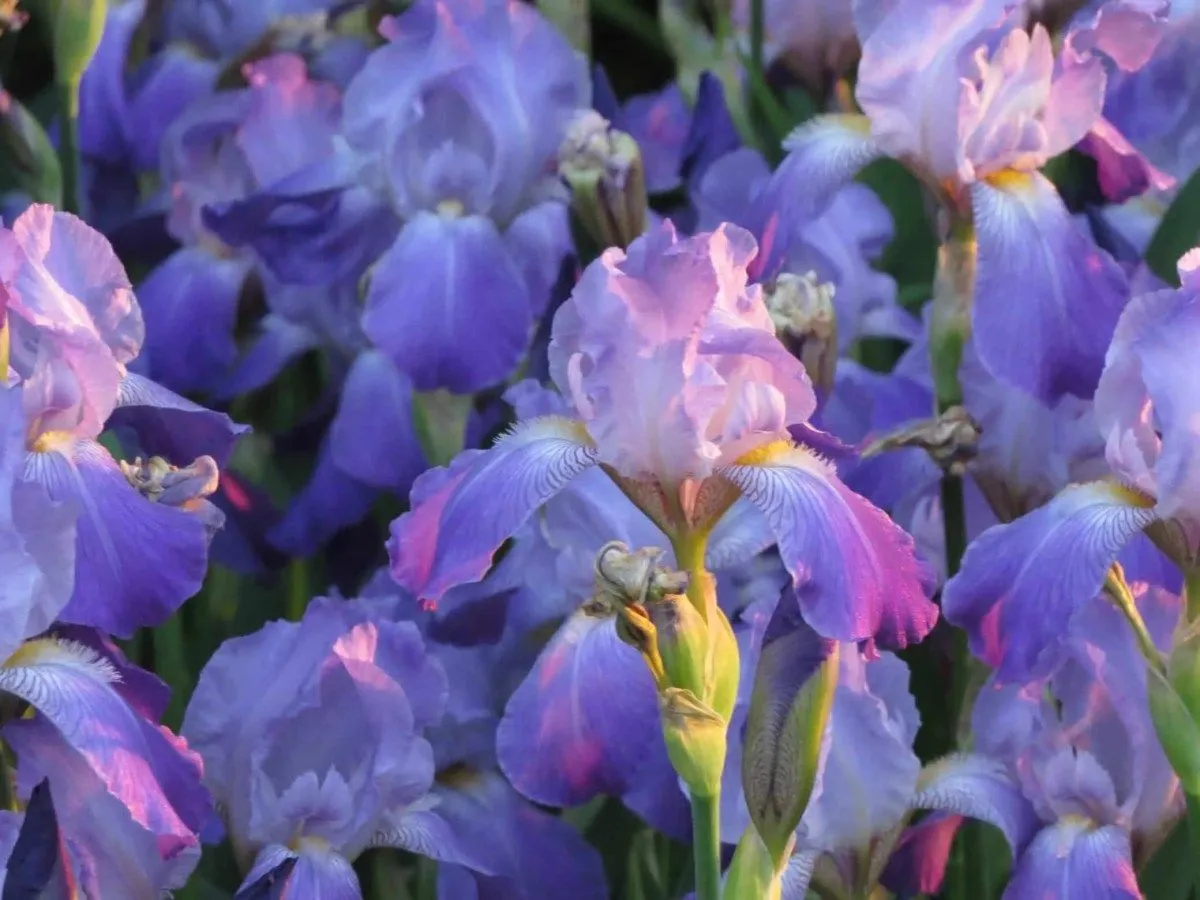
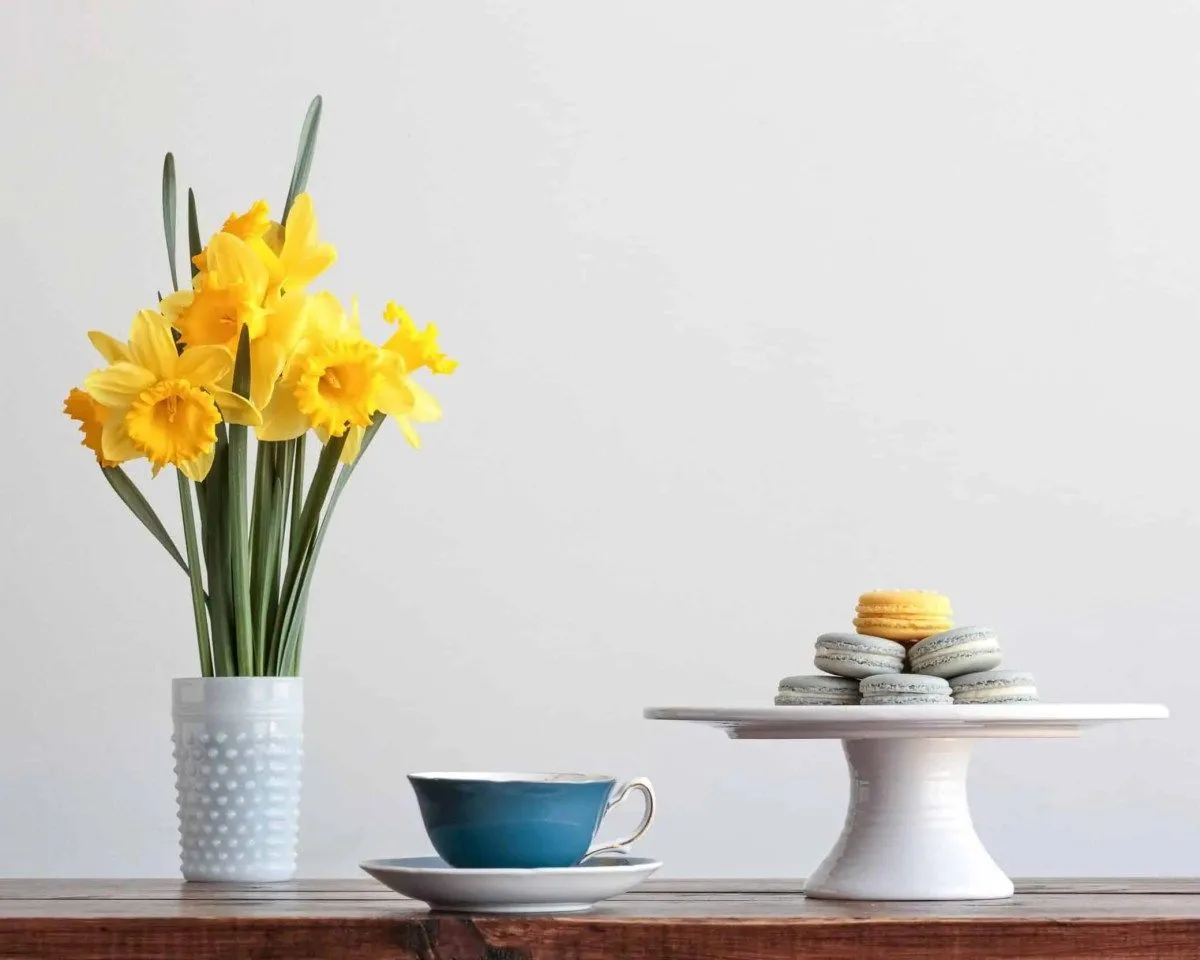
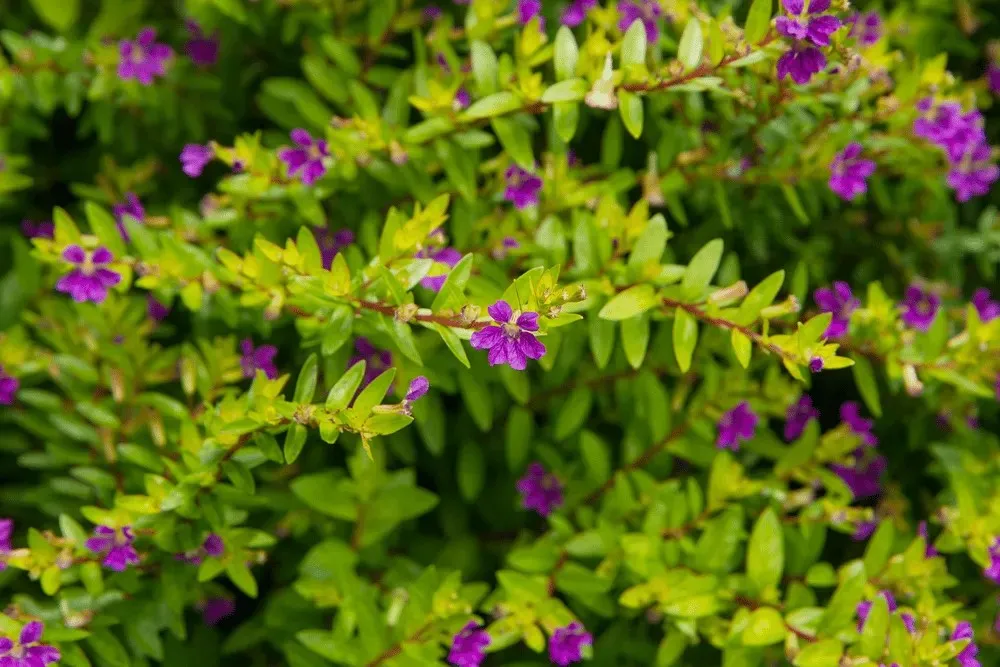
From early-spring crocus, daffodils, Dutch iris, and fragrant hyacinths to summer-long dinnerplate dahlias, towering heirloom sunflowers, Mexican heather, Blue Daze, and autumn chrysanthemums, planning a thoughtful succession of blooms ensures your outdoor sanctuary is alive with color and wildlife in every season of the year.
Mastering Spring and Summer Flowering Bulbs, Corms & Tubers
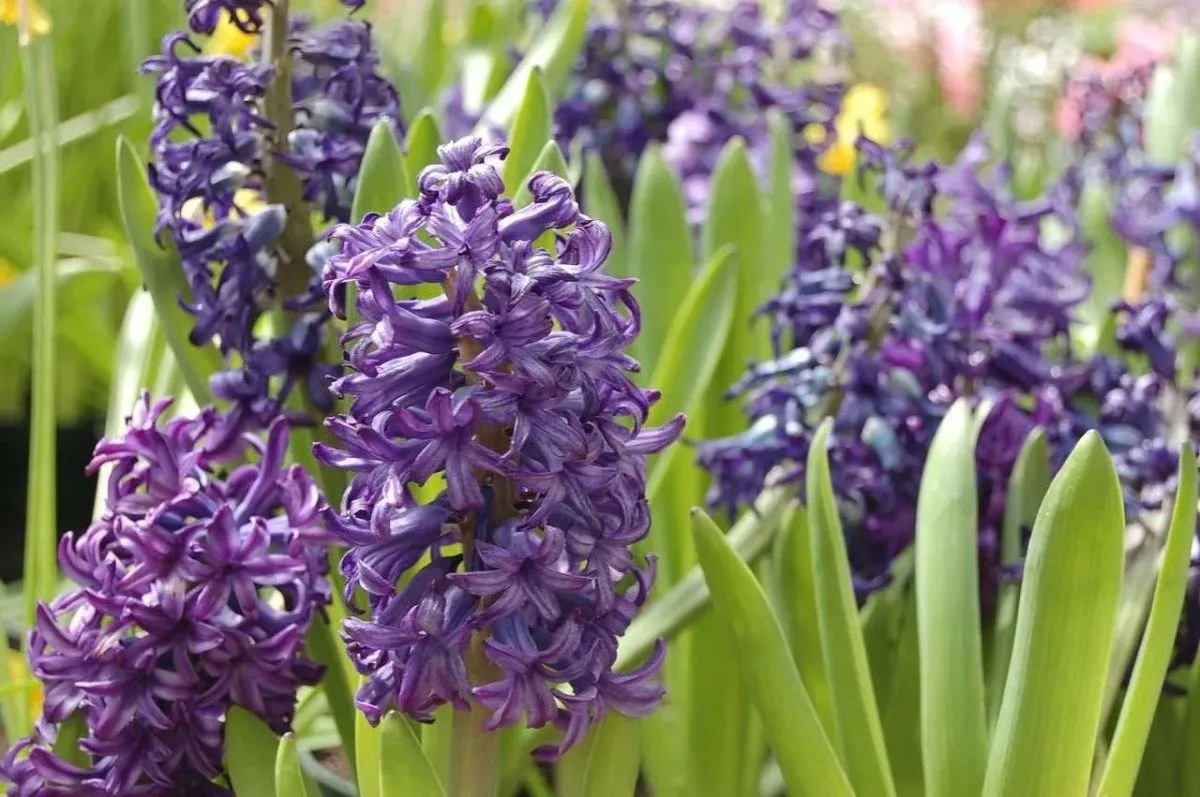
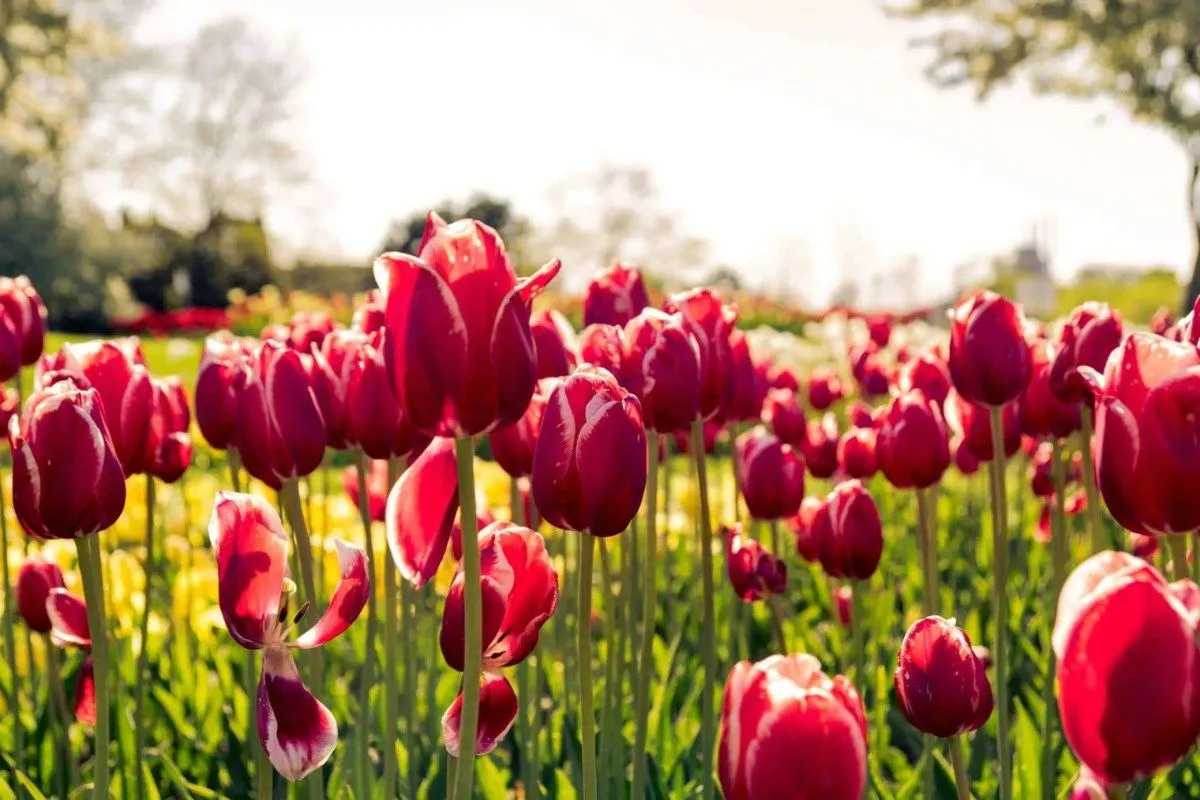
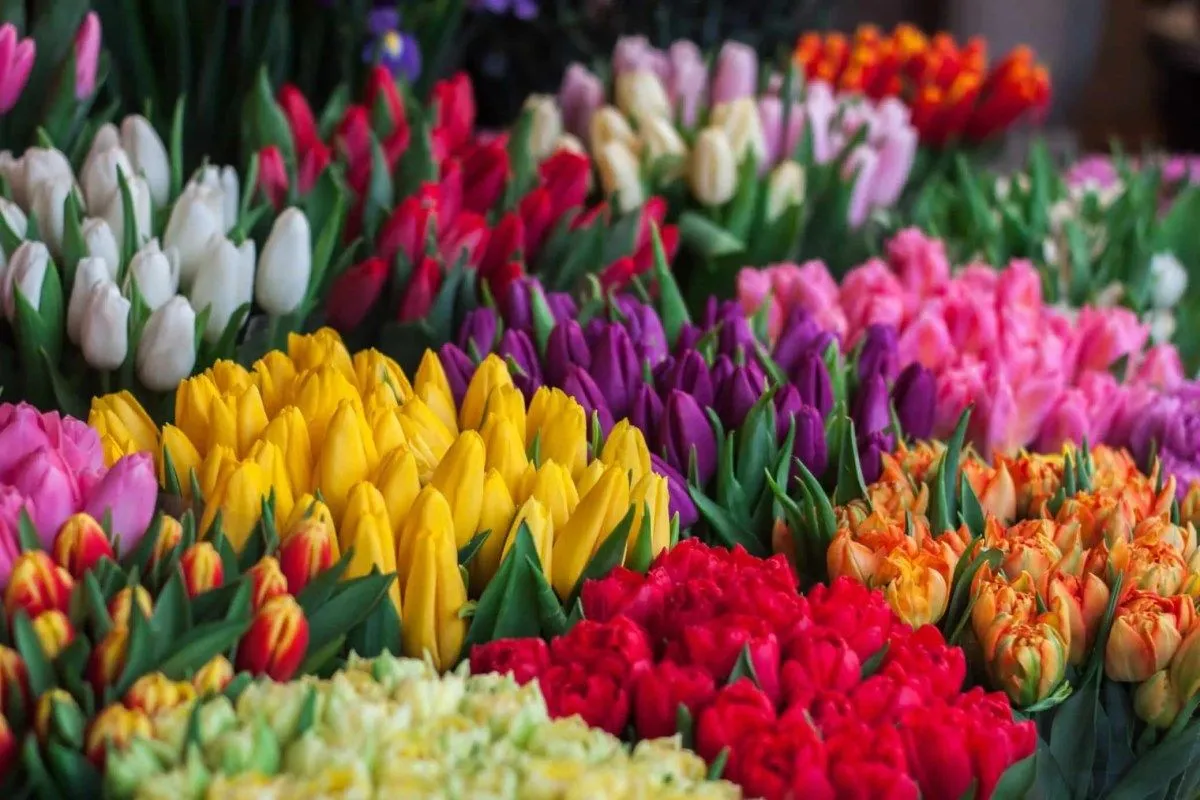
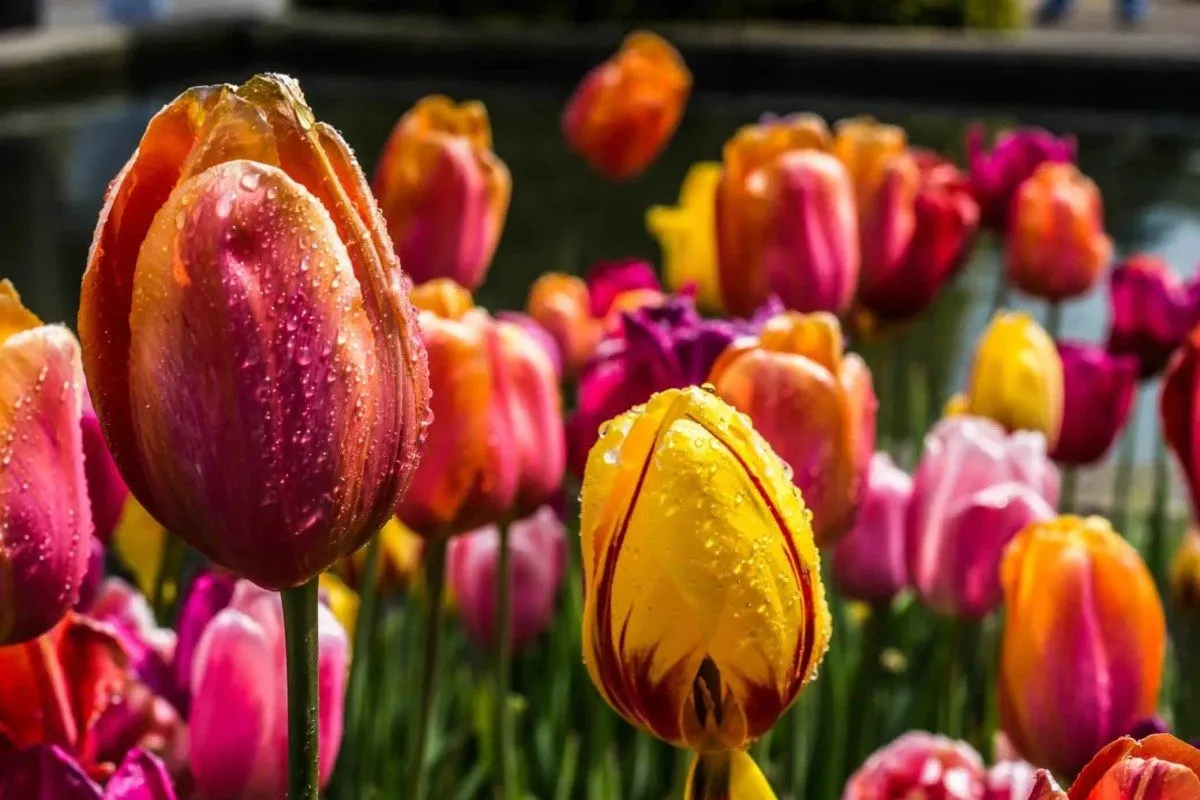
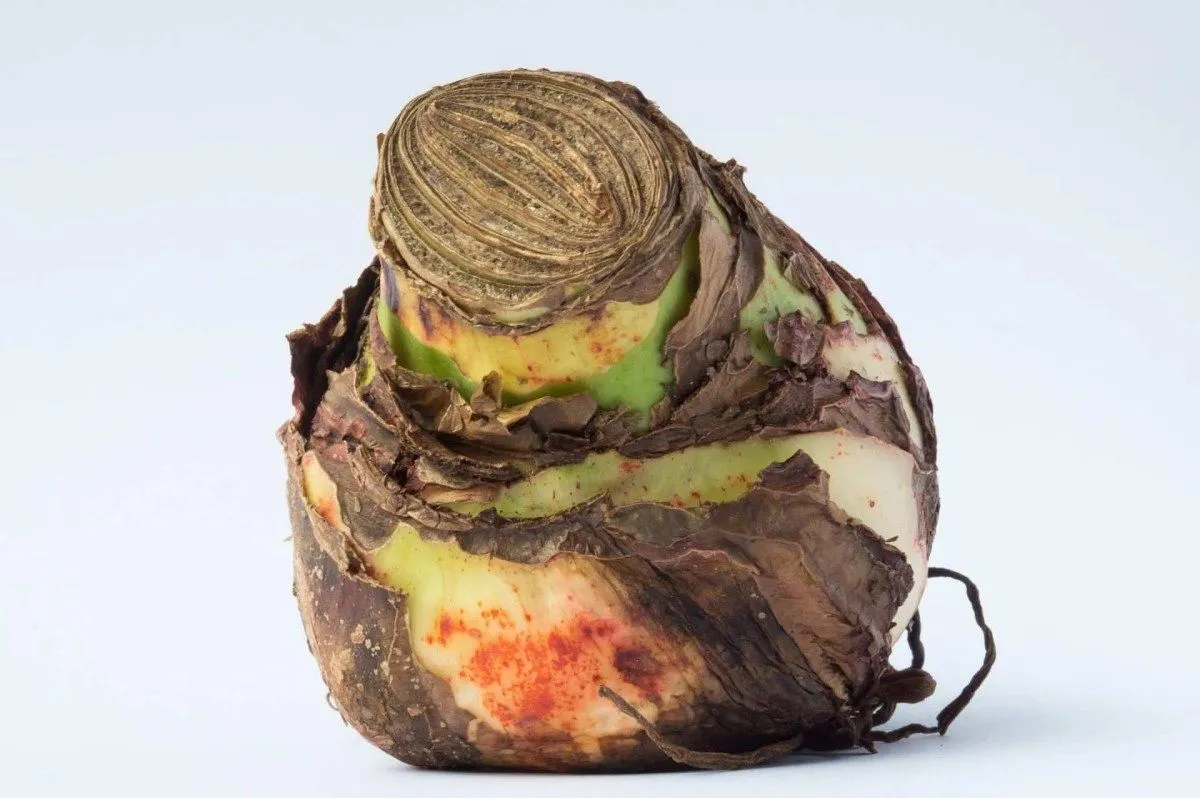
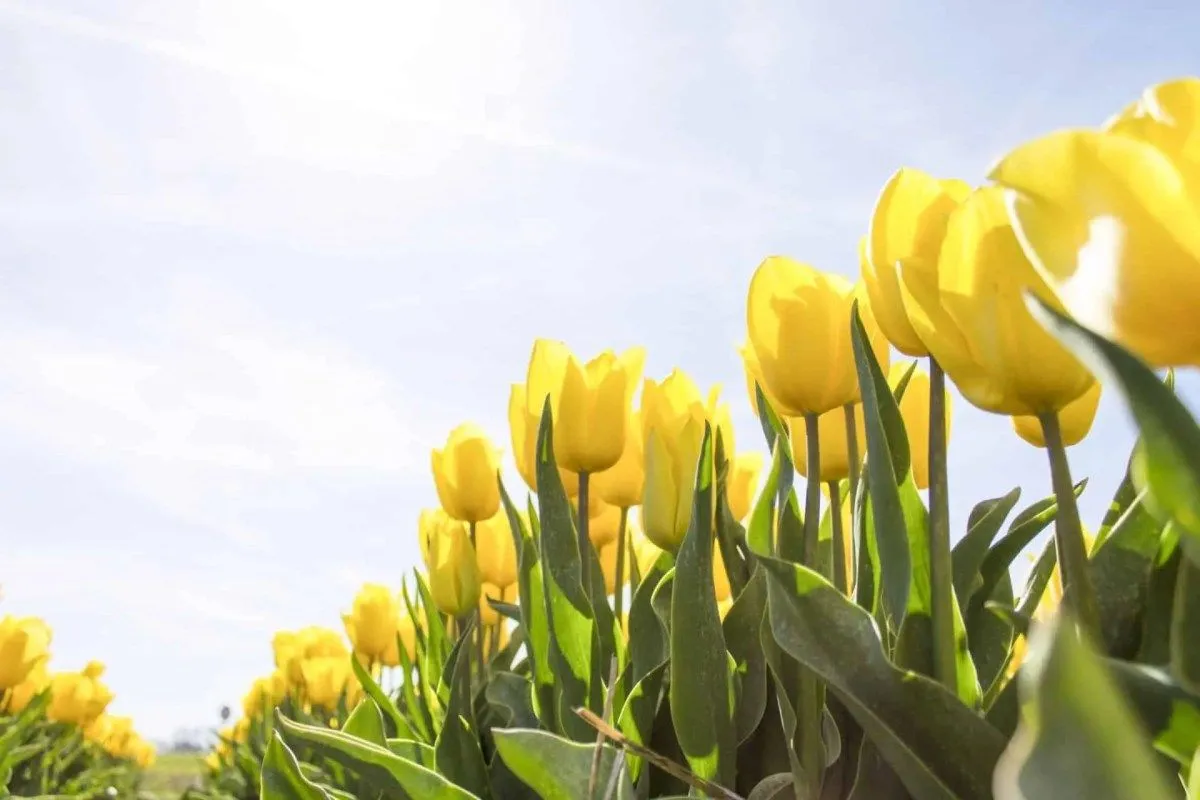
Flowering bulbs, corms, rhizomes, and tubers are among the most dependable and rewarding plants a home gardener can cultivate. Each true bulb acts as a self-contained underground storehouse, holding an embryonic flower bud and carbohydrate reserve waiting for the right seasonal cues of soil temperature and moisture to awaken. Fall-planted spring bulbs—including tulips, daffodils, crocuses, grape hyacinths, Oriental hyacinths, and Dutch iris—require a period of cool winter dormancy to stimulate root growth and trigger strong stem elongation in spring.
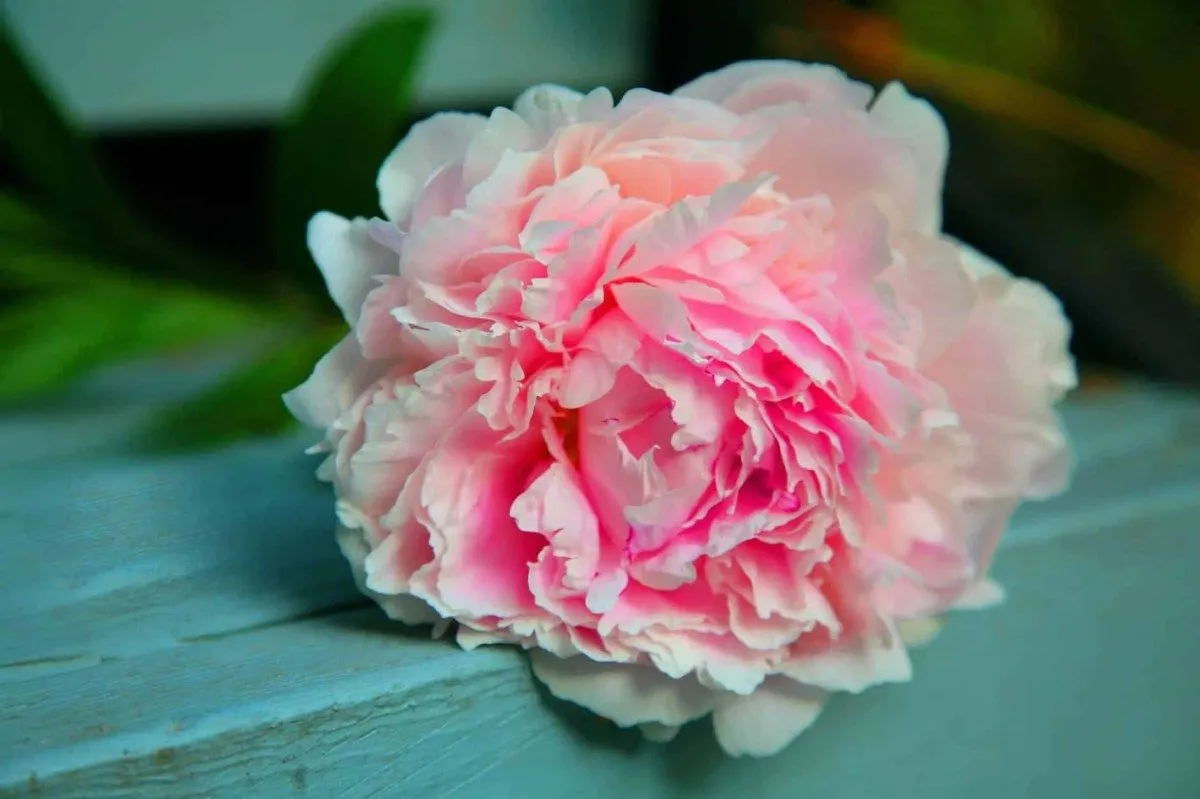
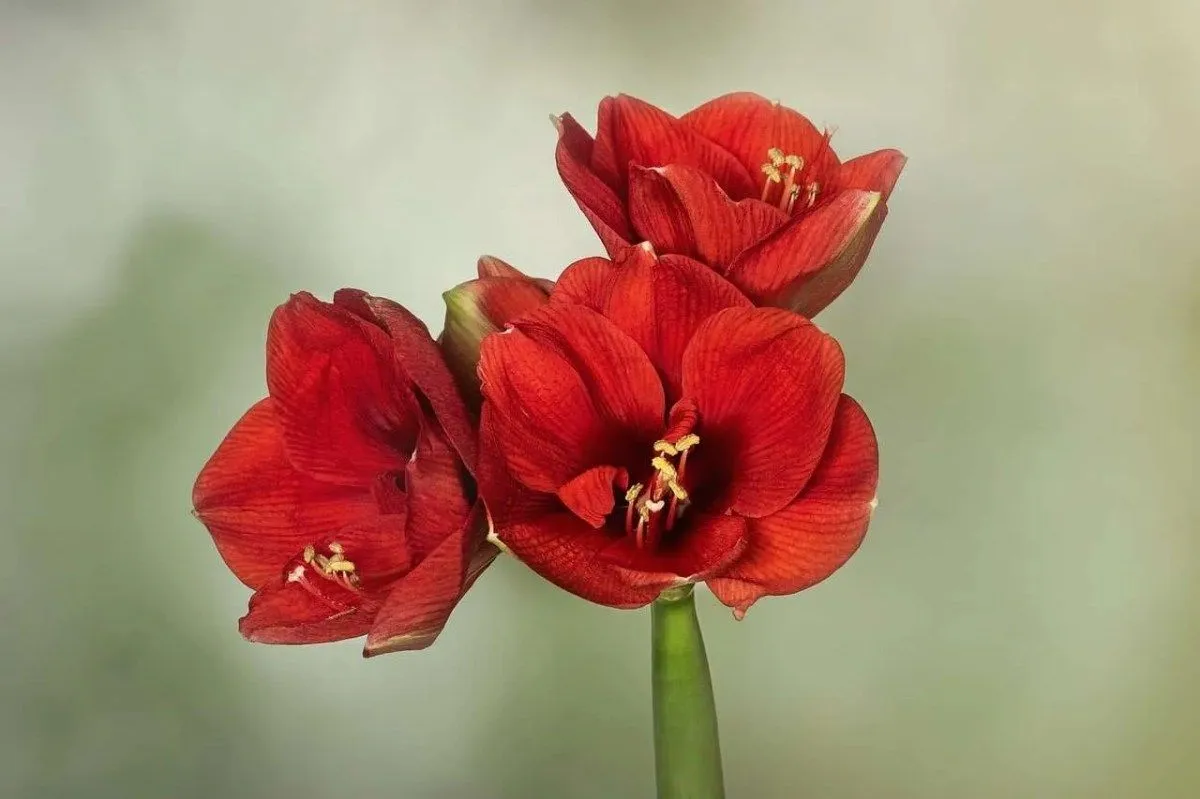
In warmer southern zones (such as USDA Zones 8 through 10) where winter soil rarely stays cold long enough on its own, pre-chilling spring bulbs in ventilated paper bags inside a refrigerator crisper drawer (kept away from ripening apples, which release ethylene gas) for eight to twelve weeks prior to late-December planting reliably replicates winter chill and produces spectacular spring displays. Summer- and fall-blooming tubers and bulbs—such as dahlias, amaryllis, and herbaceous peonies—reward well-drained, compost-rich planting holes with months of showstopping blossoms. As a universal rule of thumb, plant bulbs at a depth two to three times their vertical height with the pointed growing tip facing up, and never allow dormant bulbs to sit in waterlogged clay.
Designing Color-Themed Beds, Pollinator Corridors & Companion Borders
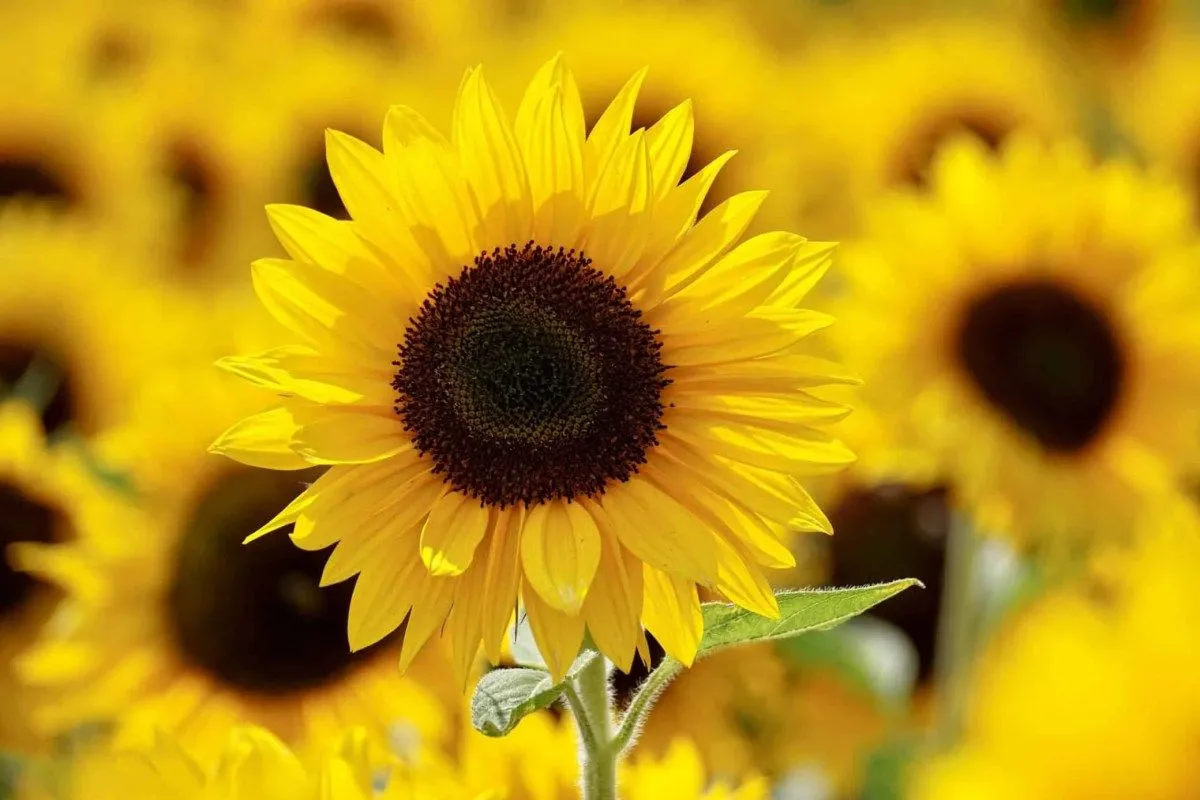
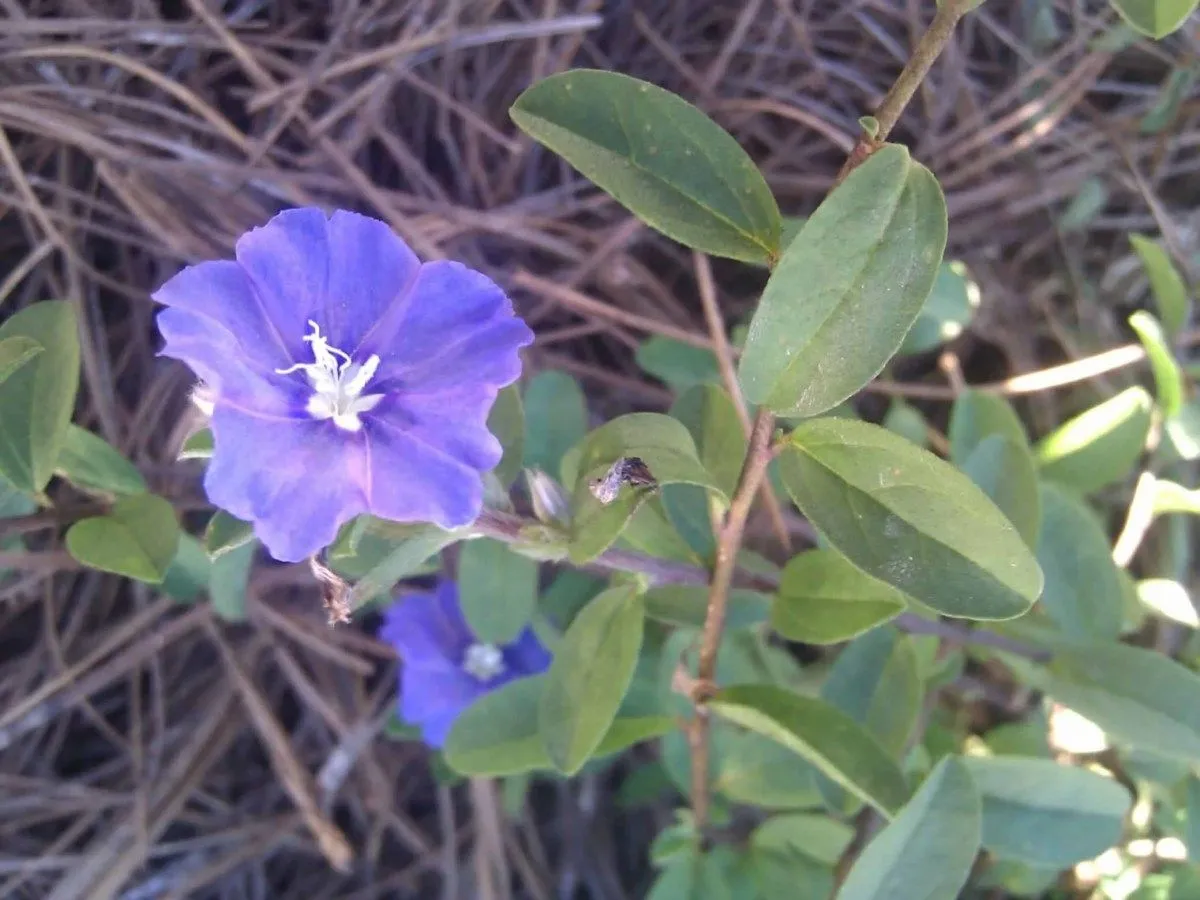
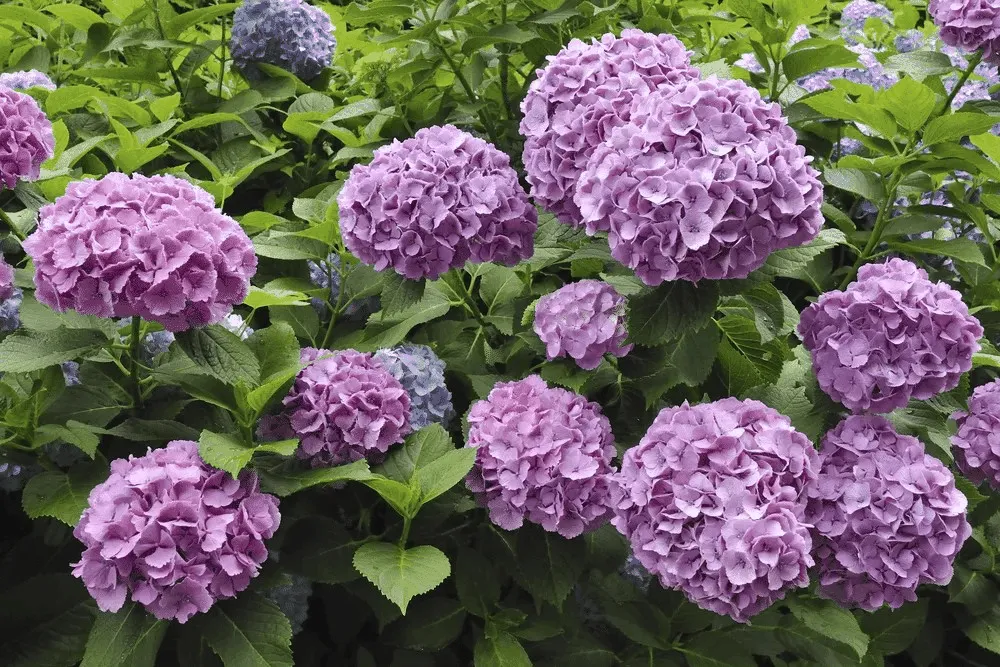
Great flower garden design blends plant architecture, bloom timing, foliage texture, and intentional color harmony. Layer tall statement flowers like mammoth and branching heirloom sunflowers, dinnerplate dahlias, and cosmos toward the back of borders or along sunny fence lines; place mid-height shrubs and perennials like bigleaf and panicle hydrangeas, fragrant peonies, and salvias in the middle tier; and weave low-growing, heat-loving border plants like Blue Daze (Evolvulus glomeratus), Mexican heather, sweet alyssum, and French marigolds along stone pathways and raised-bed edges.
Whether you prefer serene monochrome white moon gardens, cool blue-and-lavender cottage borders, or vibrant warm palettes of gold, coral, crimson, and violet, grouping flowers in drifts of three to five plants creates far stronger visual impact—and makes foraging much easier for visiting pollinators—than scattering single plants in isolation. Interplanting flowers directly among vegetable rows dramatically boosts pollination rates on squash, melons, cucumbers, tomatoes, and fruit trees.
Cut-Flower Harvesting, Deadheading & Post-Bloom Bulb Care
To keep annuals and repeat-blooming perennials producing fresh buds for months, deadhead faded blossoms regularly before they divert energy into seed pods. When harvesting cut flowers like tulips, dahlias, peonies, sunflowers, and irises for indoor arrangements, cut stems in the cool early morning using clean, sharp bypass pruners and plunge them immediately into deep lukewarm water.
When caring for spring and holiday bulbs—such as tulips, daffodils, hyacinths, crocus, and amaryllis—after their petals fade, snip off the spent flower head at the top of the stem so the plant does not waste energy making seed, but leave all green foliage intact until it turns yellow and dries back naturally. Those green leaves act as solar panels, photosynthesizing the sugars stored in the underground bulb to form next year's flower bud. Every three to four years, lift and divide crowded perennial clumps and naturalized bulbs in autumn to rejuvenate bloom size and share divisions with fellow gardeners. Explore our detailed flower and bulb guides below for step-by-step planting calendars, soil recipes, and seasonal care instructions.