Raising Homestead Livestock: Chickens, Ducks, Geese, Goats & Sheep
Integrating small-scale livestock into an organic garden completes the traditional homestead nutrient cycle. At Amaral Farm, farm animals are cherished partners in land stewardship and regenerative soil building: backyard poultry and waterfowl forage enthusiastically for grasshoppers, beetles, ticks, and slugs; hair sheep and goats convert pasture weeds and overgrown brush into nitrogen-rich manure for compost piles; and healthy home flocks and herds provide fresh eggs, wholesome milk, and pasture-raised meat right in your own backyard.
Whether you are starting with four heritage laying hens in a suburban garden coop or planning a diversified family hobby farm with laying ducks, guardian geese, dairy goats, St. Croix hair sheep, and meat rabbits, lasting success begins with selecting breeds adapted to your climate, acreage, fencing, and daily routine.
Backyard Poultry & Waterfowl: Chickens, Ducks, and Geese
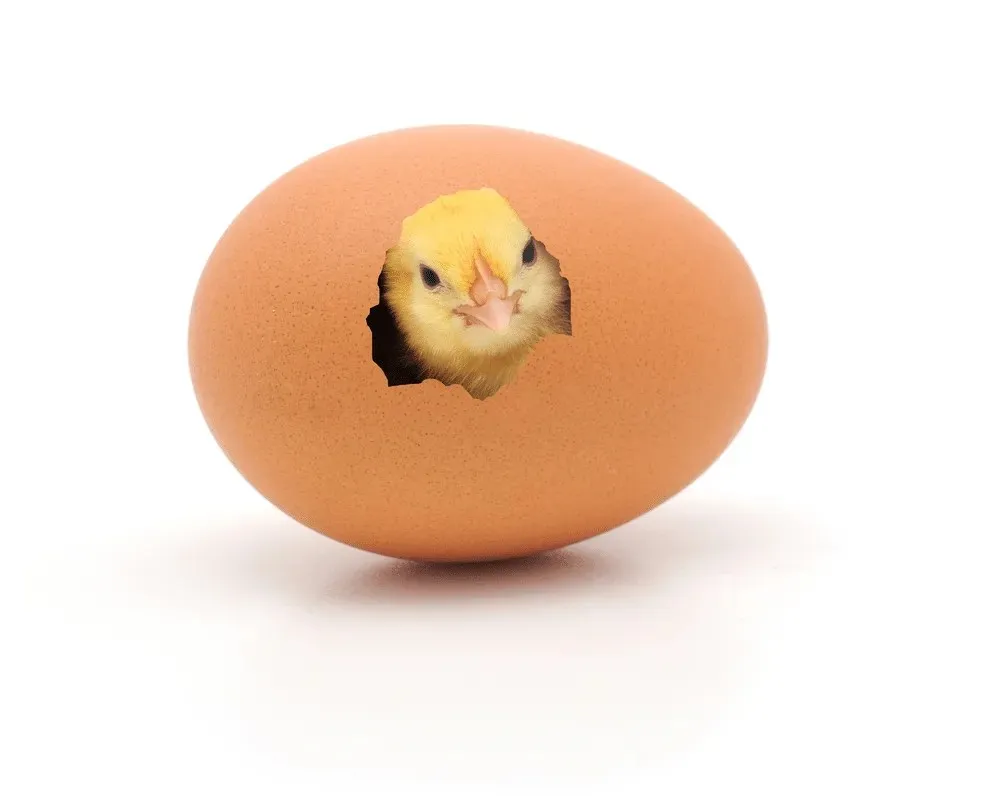
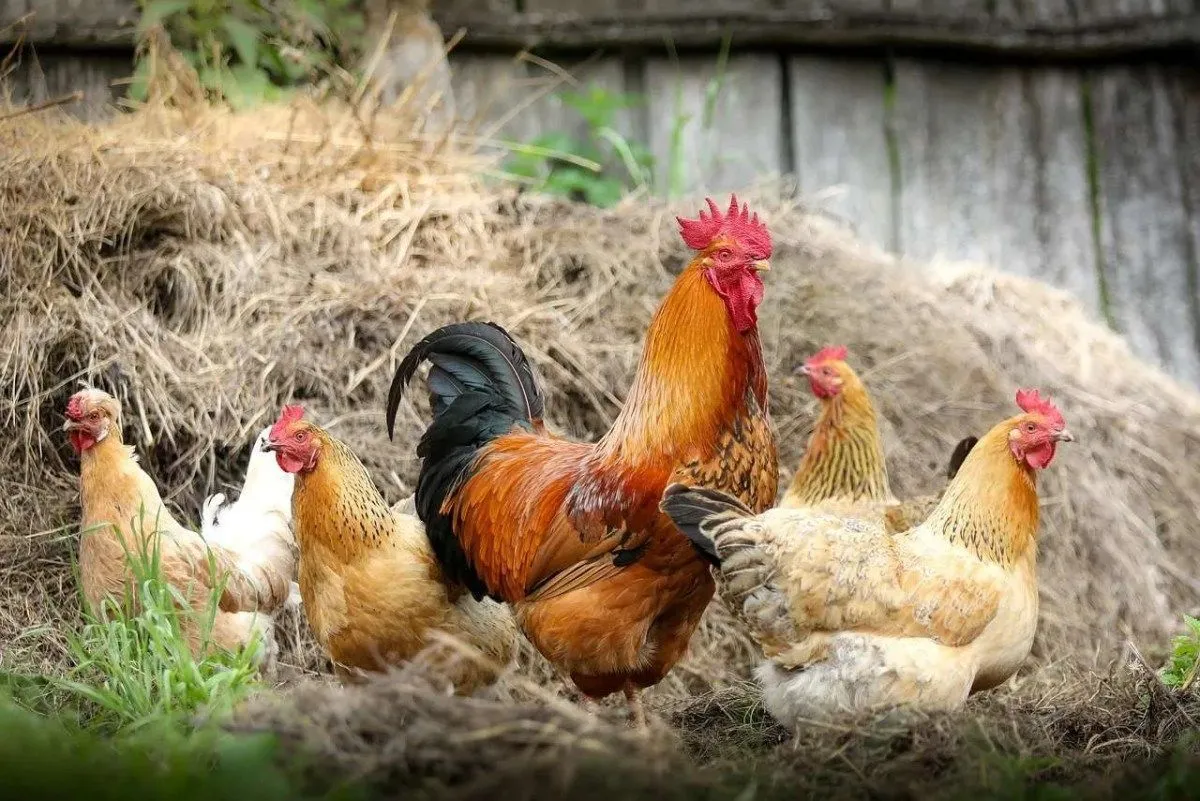
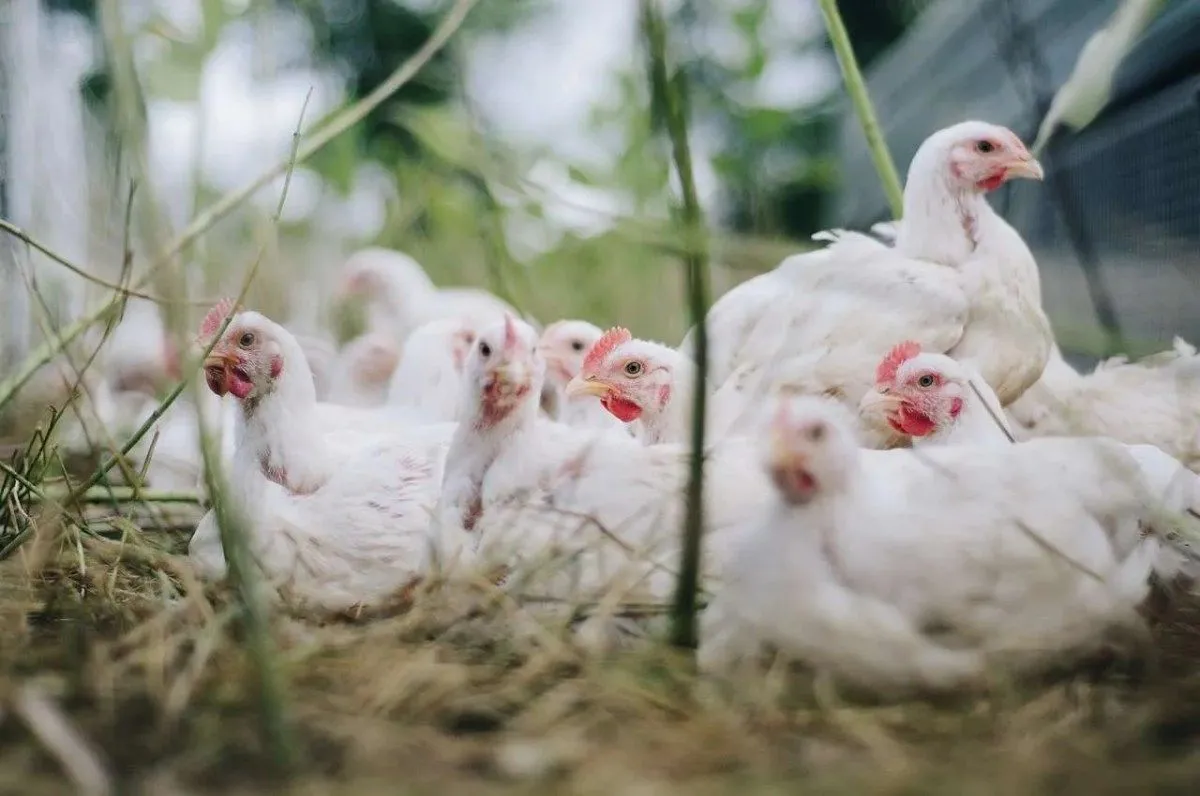
Chickens are the classic entry point for new homesteaders because they are personable, inexpensive to house, and turn kitchen vegetable trimmings and garden bugs into golden-yolked eggs and high-fertility compost. When choosing chicken breeds, match their physical traits to your local weather and goals: active, single-comb Mediterranean breeds like White and Brown Leghorns or heat-hardy dual-purpose birds like Rhode Island Reds, Australorps, and Plymouth Rocks excel in warm southern summers, while heavily feathered Orpingtons, Wyandottes, and Brahmas handle cold northern winters with ease. Provide a predator-proof, hardware-cloth-secured coop with abundant high-up ventilation, at least four square feet of indoor floor space per bird, cosy nesting boxes, and safe outdoor pasture or run access.
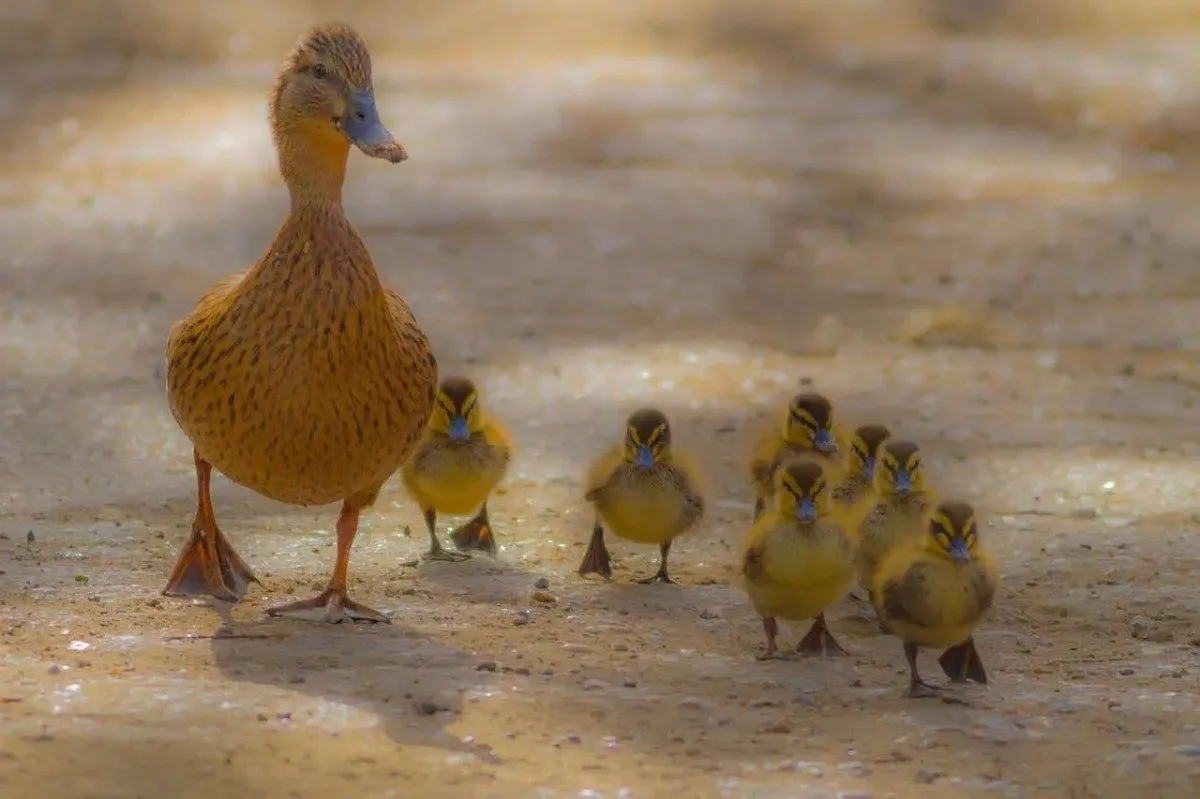
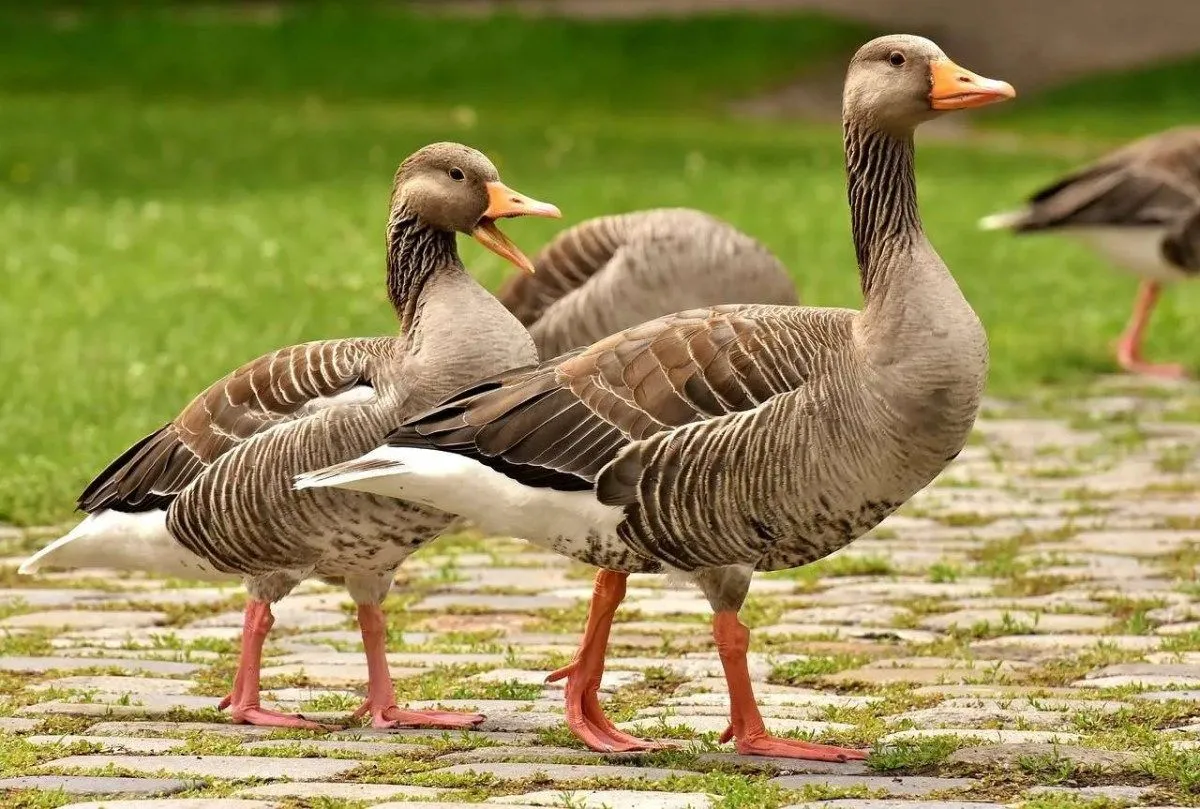
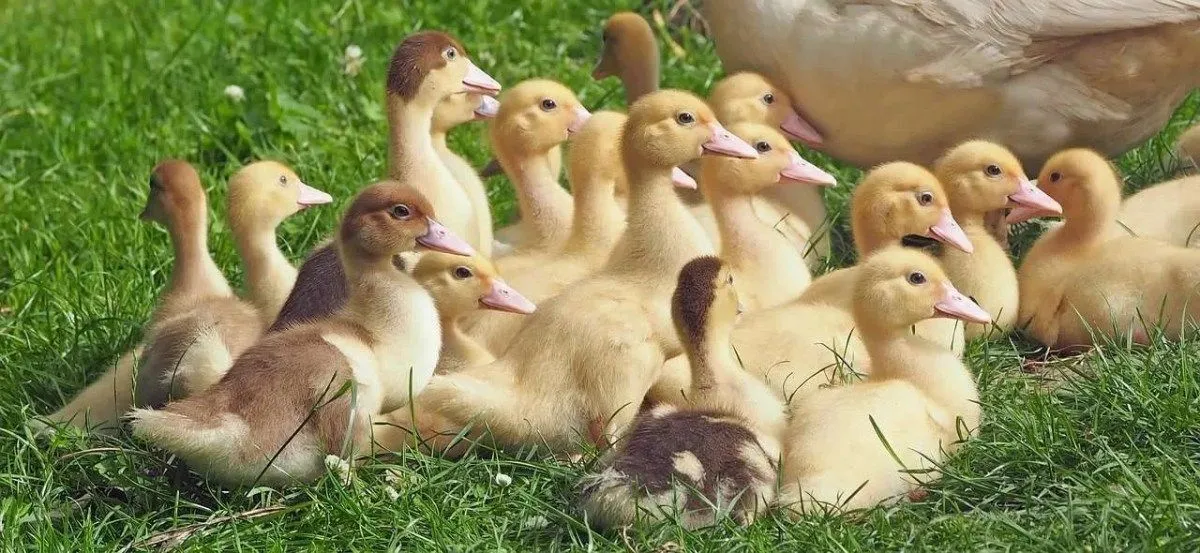
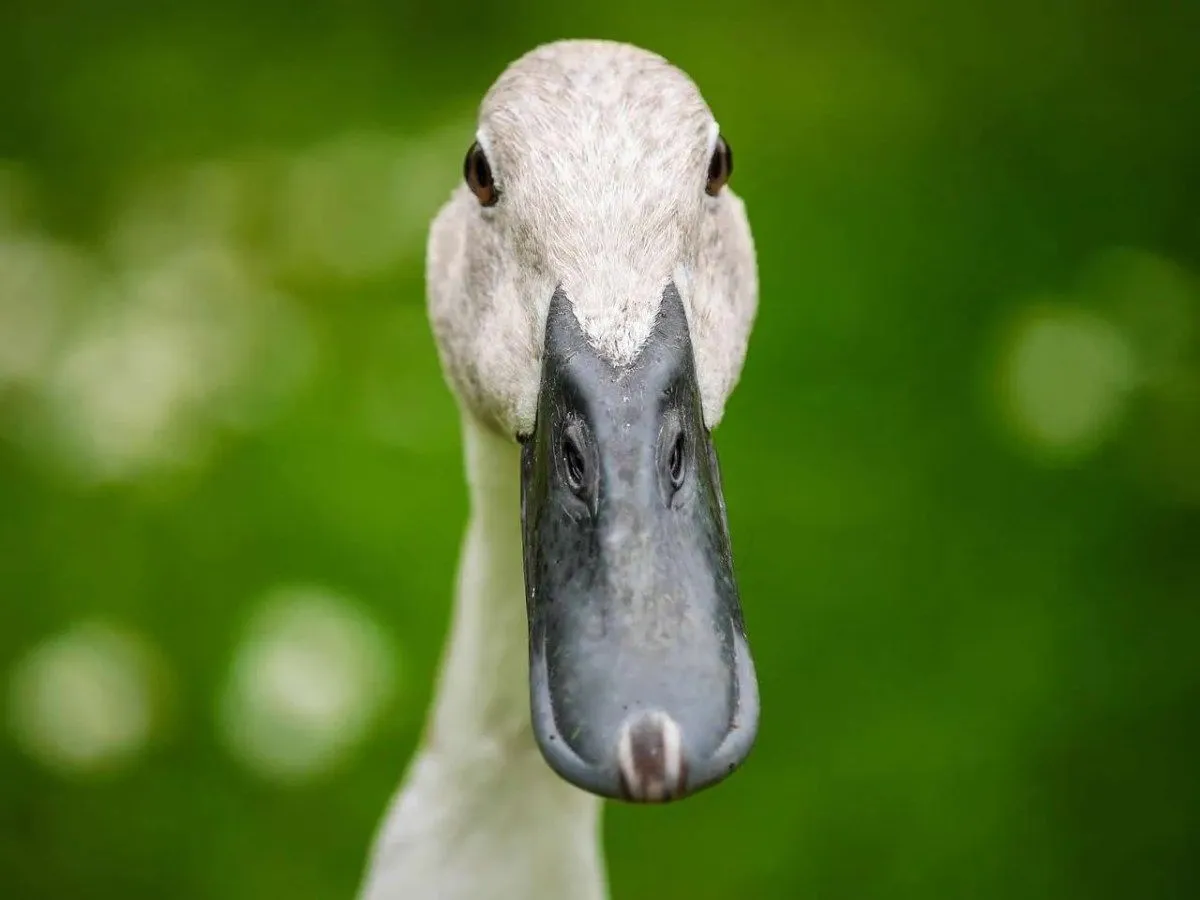
Waterfowl bring unique strengths to a wet or slug-prone homestead. Dedicated egg-laying duck breeds—including Khaki Campbells, Welsh Harlequins, Indian Runners, and Golden 300 hybrids—frequently outlay chickens by producing 280 to 320+ rich baking eggs per year, shrug off rain and mud, and forage gently among established garden beds without scratching up plant roots the way chickens do. Geese—such as Toulouse, Embden, Roman Tufted, and African breeds—are hardy herbivores that graze lawn and pasture grasses with minimal grain cost while serving as alert, vocal watchdogs that deter aerial and ground predators from harassing smaller poultry.
Small Ruminants for Milk, Meat & Pasture Management: Goats and Sheep
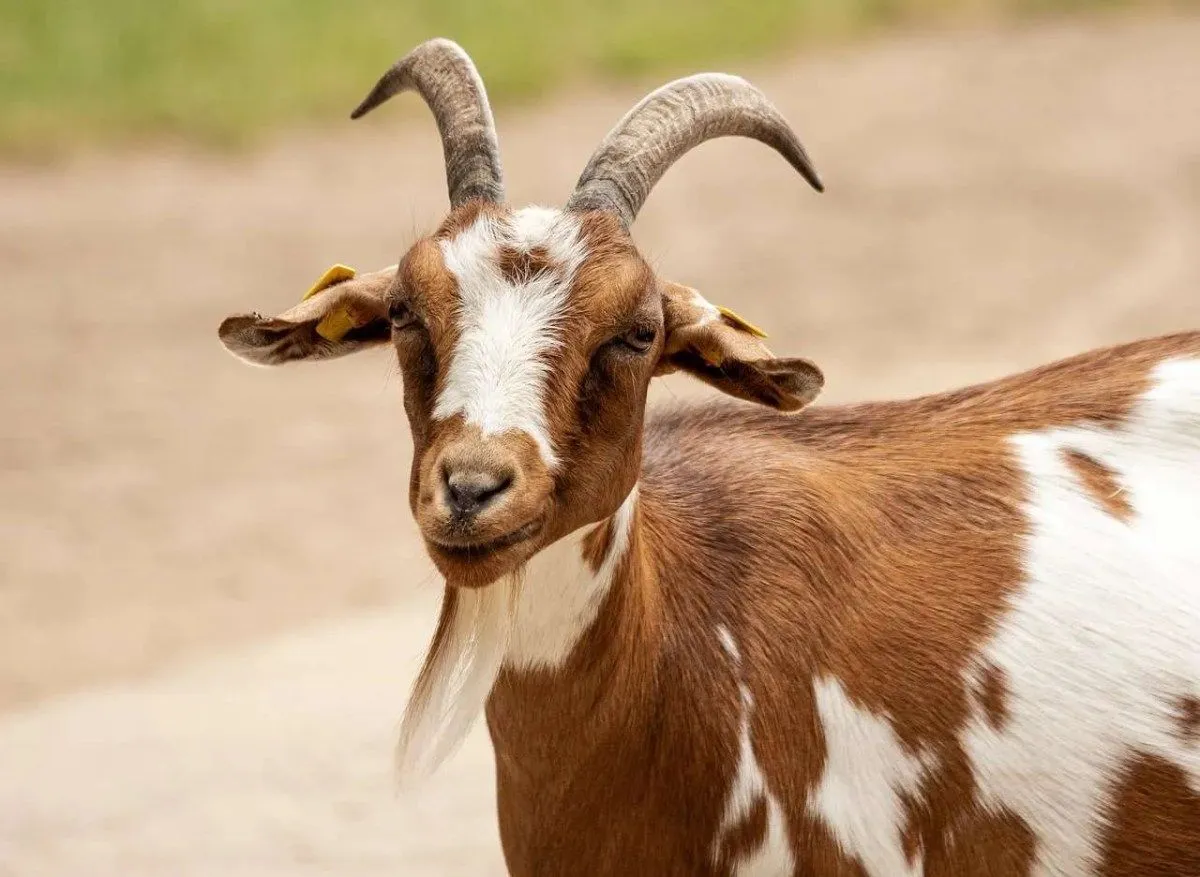
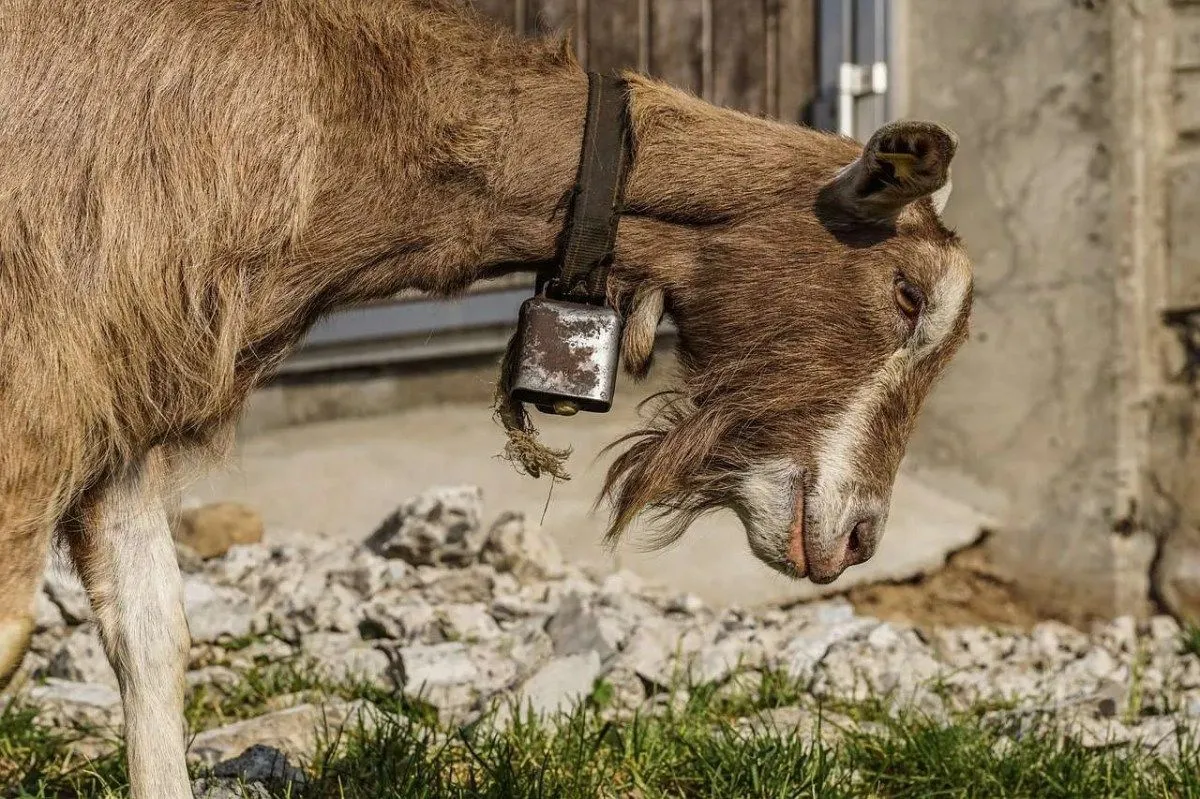
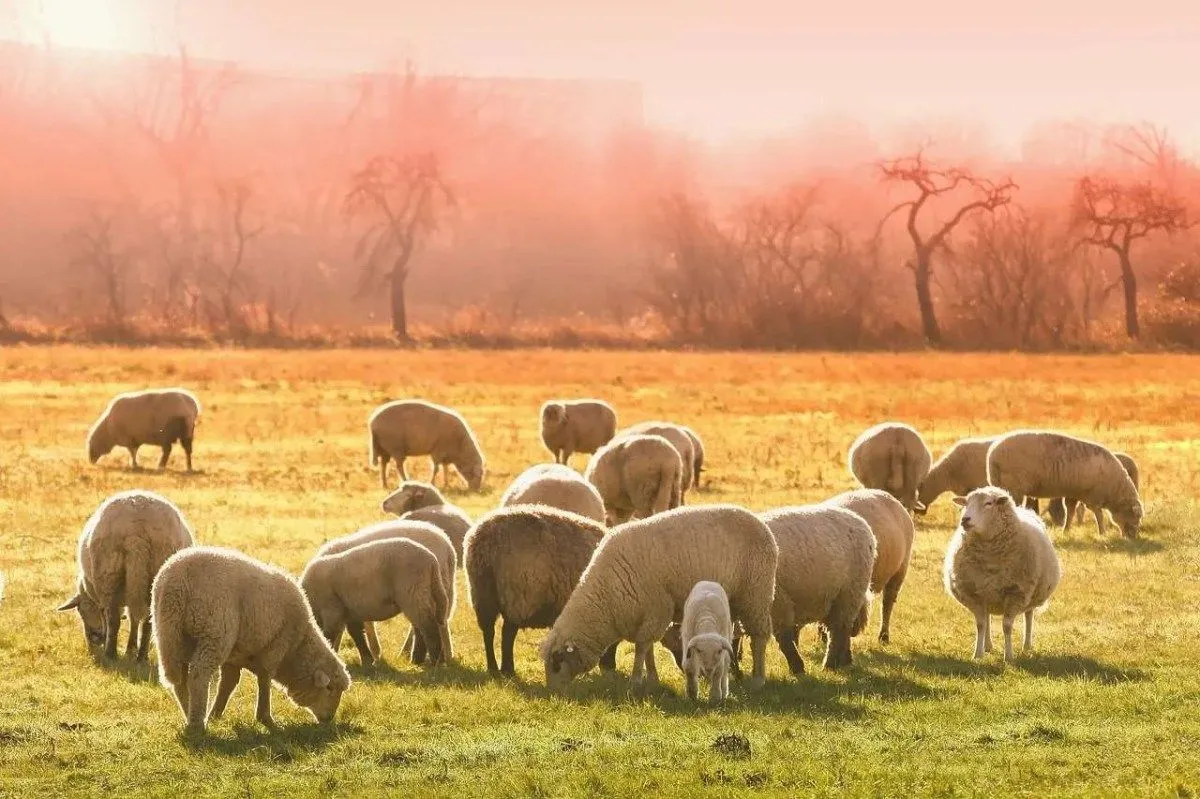
For families interested in homegrown dairy or rotational pasture grazing without the heavy equipment, acreage, and handling chutes required for full-sized cattle, dairy goats and hair sheep are ideal small ruminants. Dairy goat breeds such as the calm, earless LaMancha, high-butterfat Nigerian Dwarf and Nubian, and prolific Saanen and Alpine produce delicious, naturally homogenized milk for fresh drinking, artisan chèvre and feta cheesemaking, yogurt, and moisturizing goat-milk soap. Because goats are curious browsers that prefer leaves, brambles, and elevated forage, sturdy four-to-five-foot no-climb woven-wire fencing, companionship (always keep at least two goats together), loose goat-specific mineral mixes, and a dry, draft-free shelter are non-negotiable.
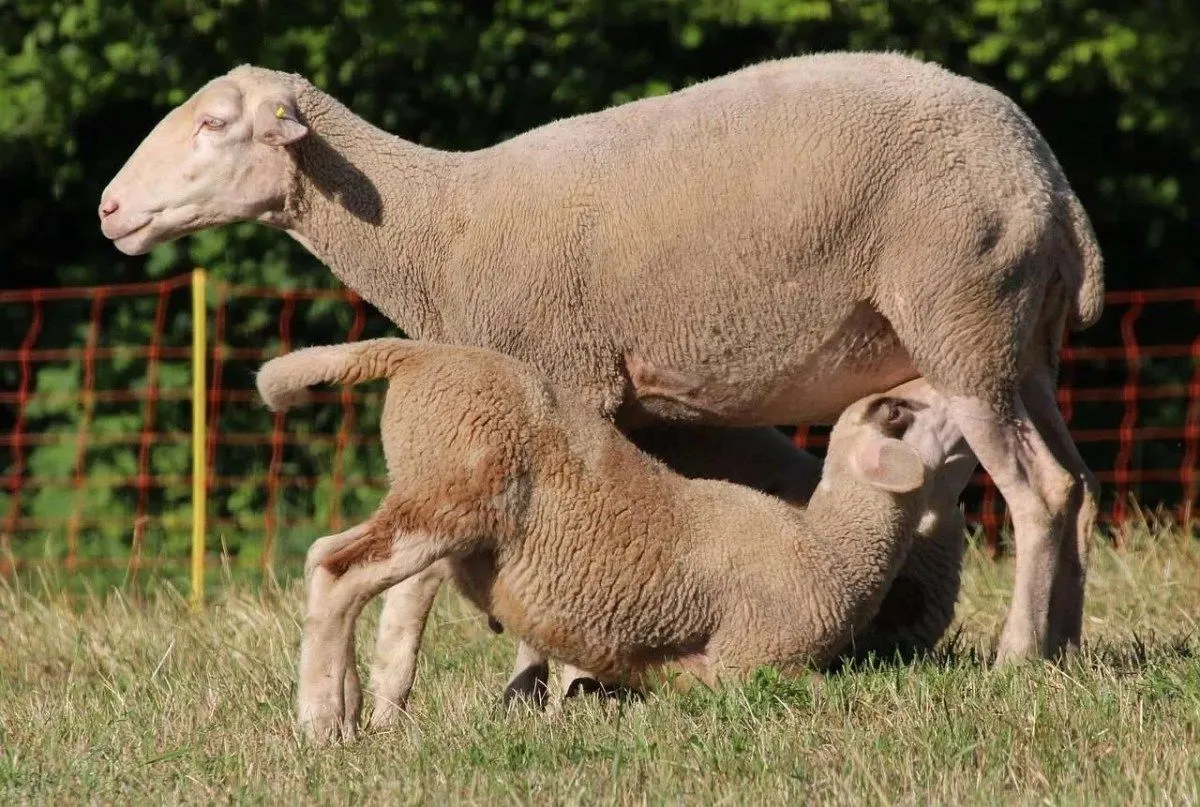
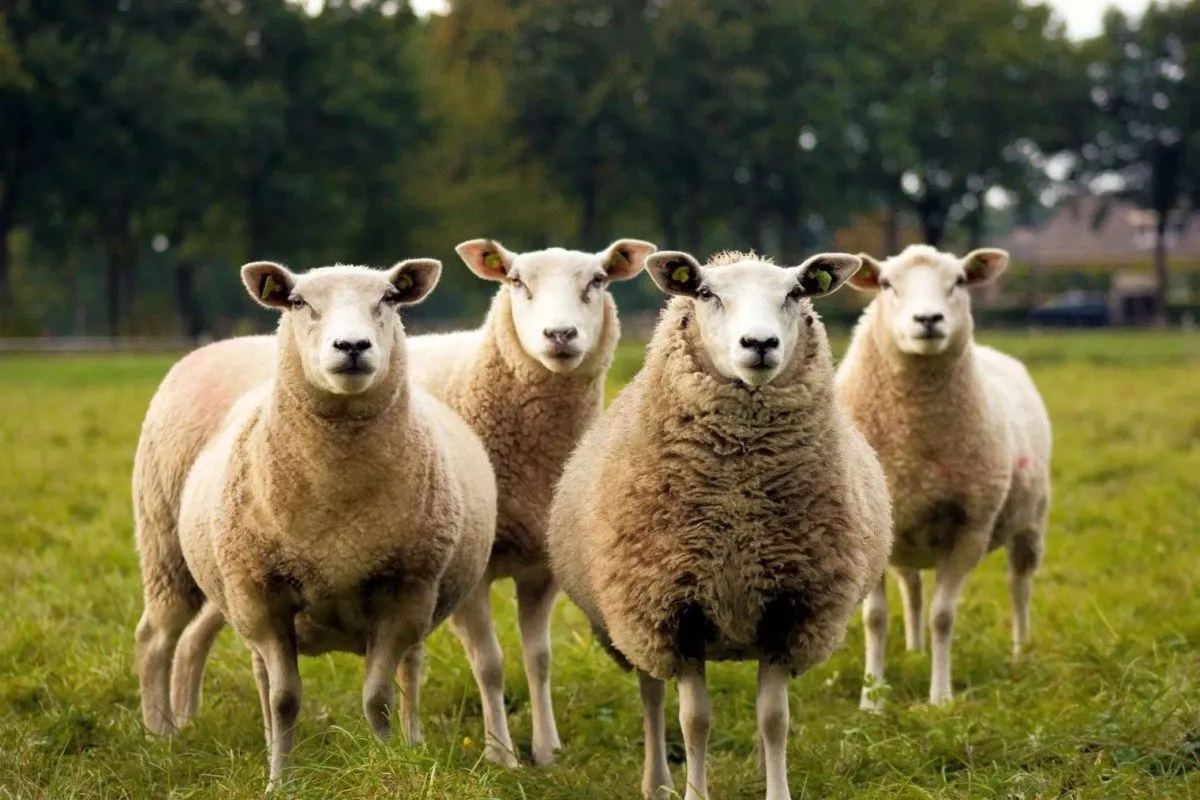
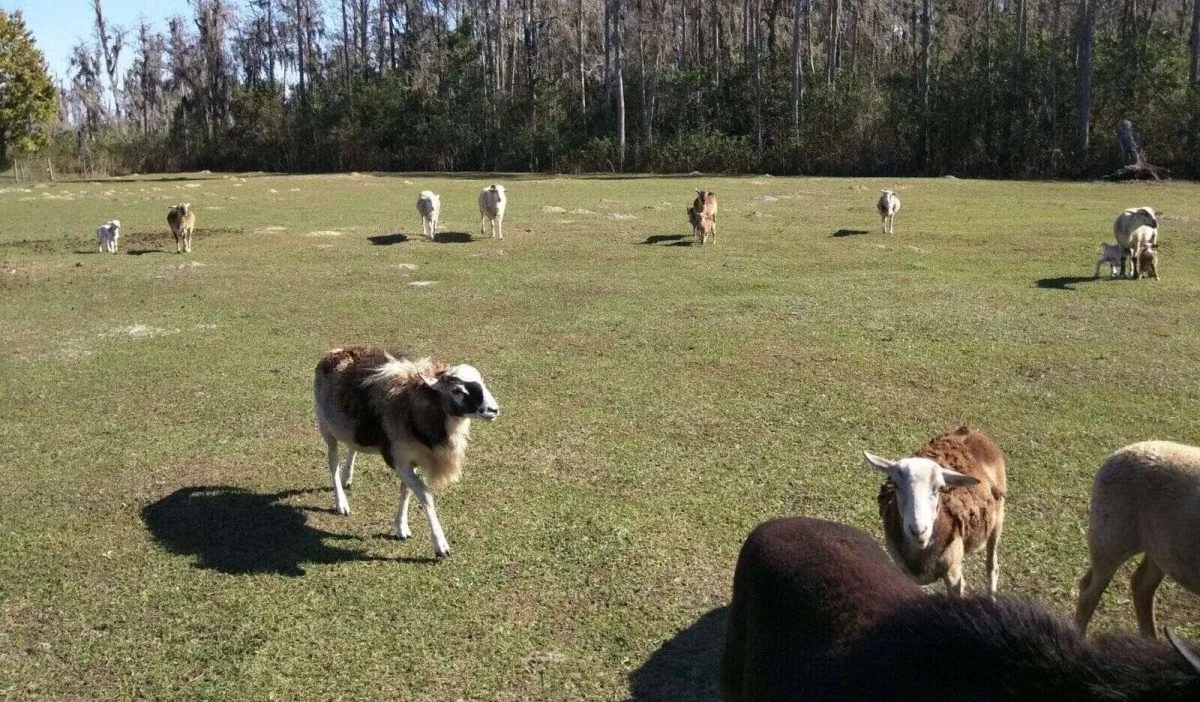
Sheep, by contrast, are true grazers that prefer tender pasture grasses and clover. For warm, humid regions like Florida and the Gulf South, heritage St. Croix hair sheep are unmatched: originating in the Caribbean, St. Croix sheep shed their winter coats naturally every spring without ever needing shearing, possess extraordinary genetic resistance to barber-pole worms and hoof rot, breed year-round, and yield mild, lean gourmet meat and rich sheep milk.
Homestead Rabbits & Closing the Garden Fertility Loop
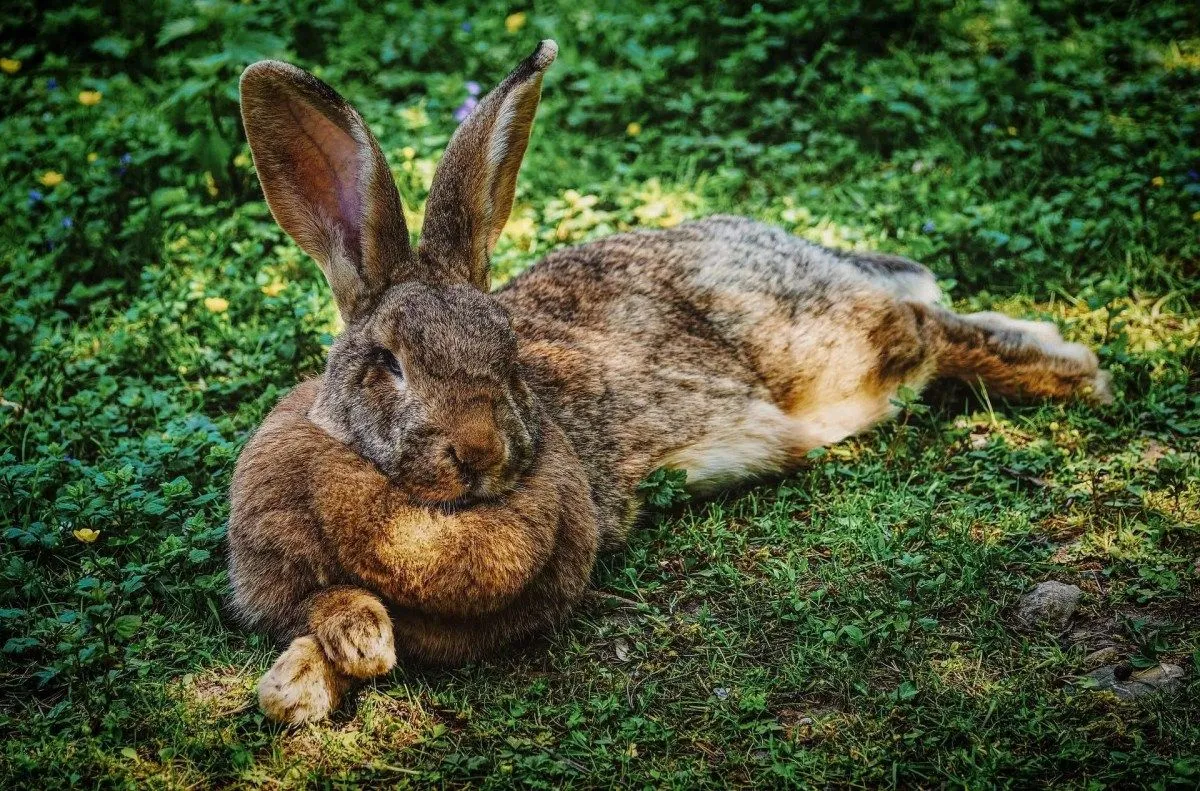
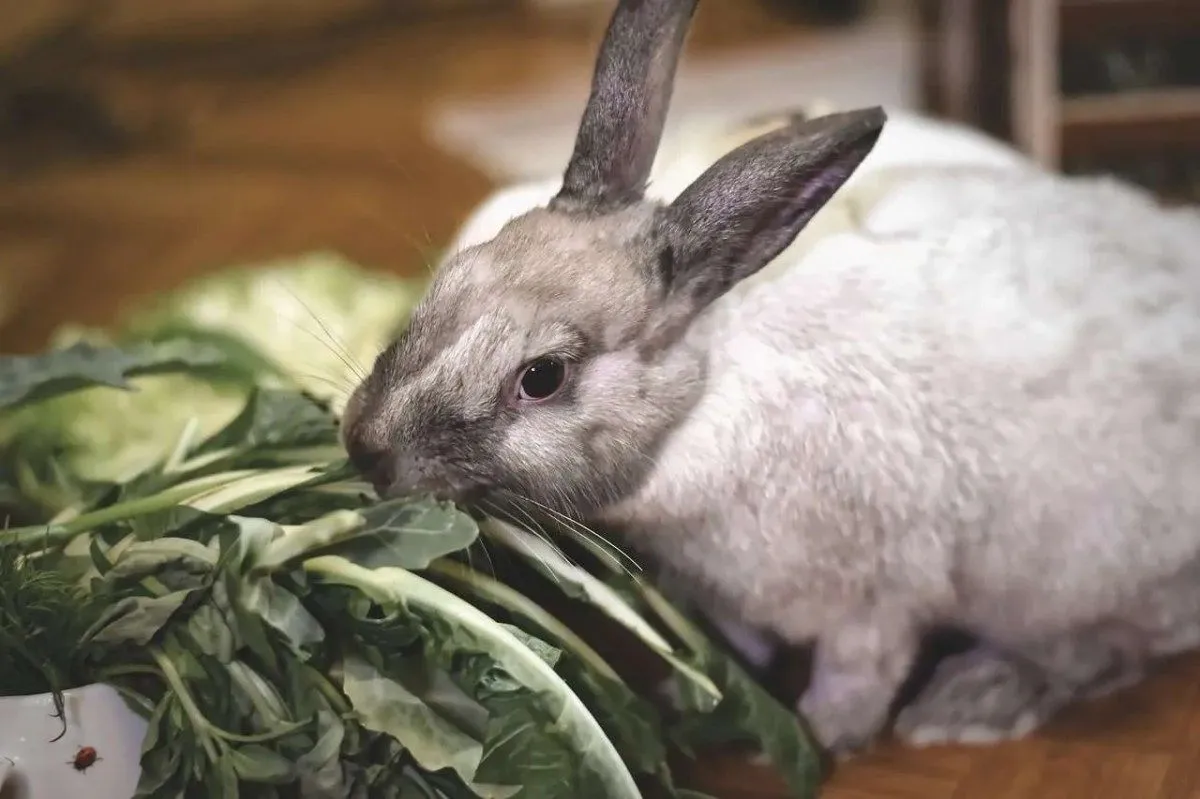
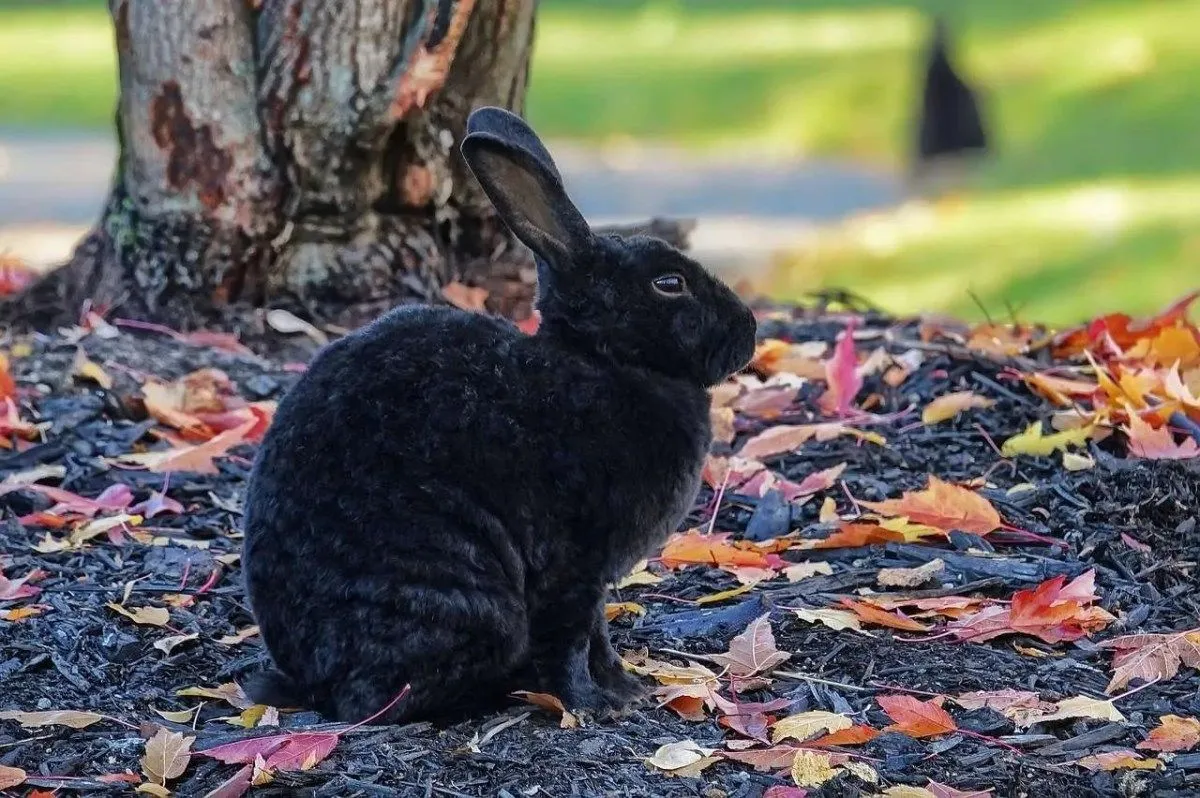
Where space is tight or municipal rules limit larger livestock, heritage rabbits (such as New Zealand, Californian, and Rex breeds) offer quiet, efficient food production and produce "cold" pelleted manure that can be top-dressed directly onto vegetable beds or fed to red-wiggler worm bins without composting first. By bedding coops and barns with deep pine shavings or straw and composting soiled bedding for ninety to one hundred twenty days before applying it to food crops, your animals continually rebuild the organic matter and trace mineral wealth of your homestead soil. Explore our complete livestock breed comparisons and husbandry guides below to build a thriving, humane homestead flock or herd.