Growing Backyard Fruit Trees, Citrus & Berries Organically
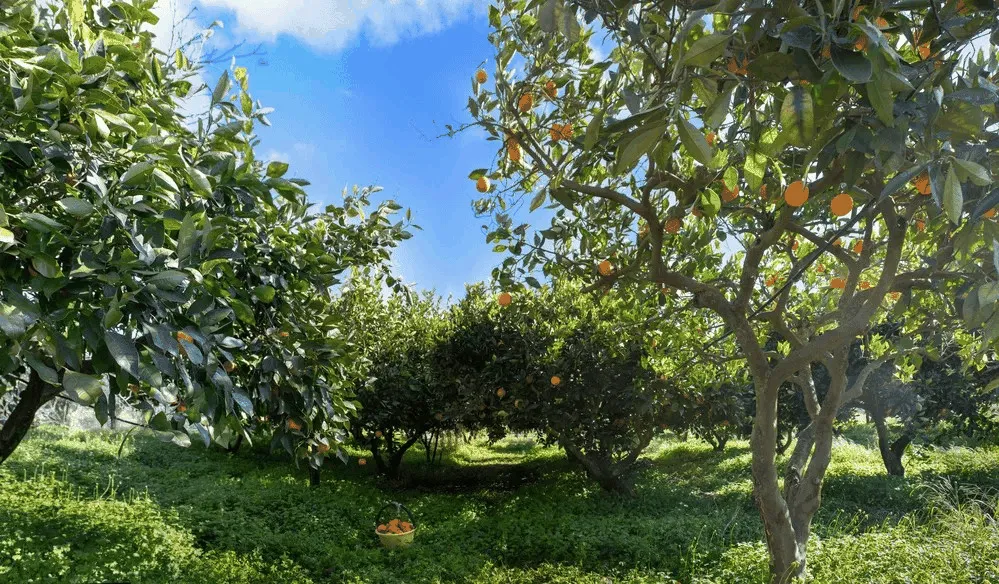
Planting fruit trees and perennial berry patches is one of the most rewarding long-term investments you can make on a homestead or backyard farm. While annual vegetables are replanted from seed each season, a thoughtfully selected fruit tree rewards your care with decades of sun-ripened harvests, fragrant spring blossoms, welcome summer shade, and year-round habitat for songbirds and native pollinators. At Amaral Farm in Central Florida (USDA Hardiness Zone 9b), our orchard guides focus on resilient subtropical, Mediterranean, and low-chill temperate fruit varieties that thrive for home growers without commercial spray regimens.
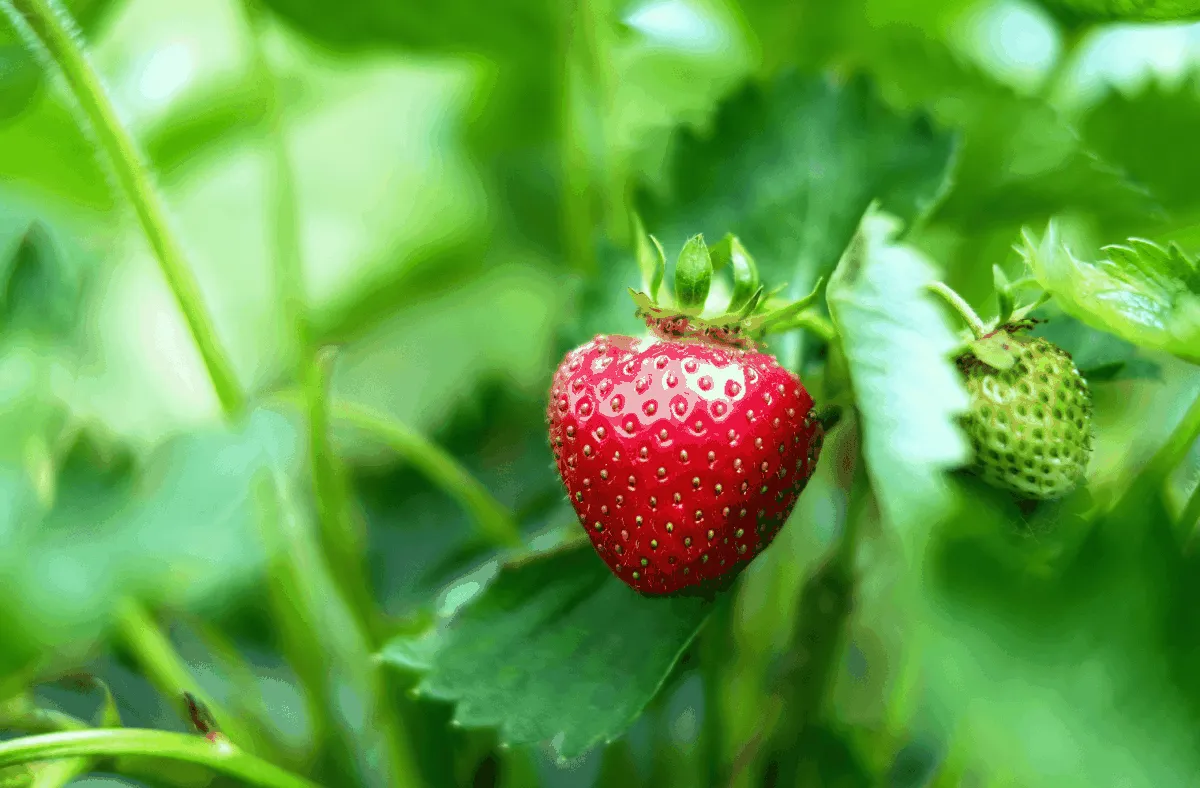
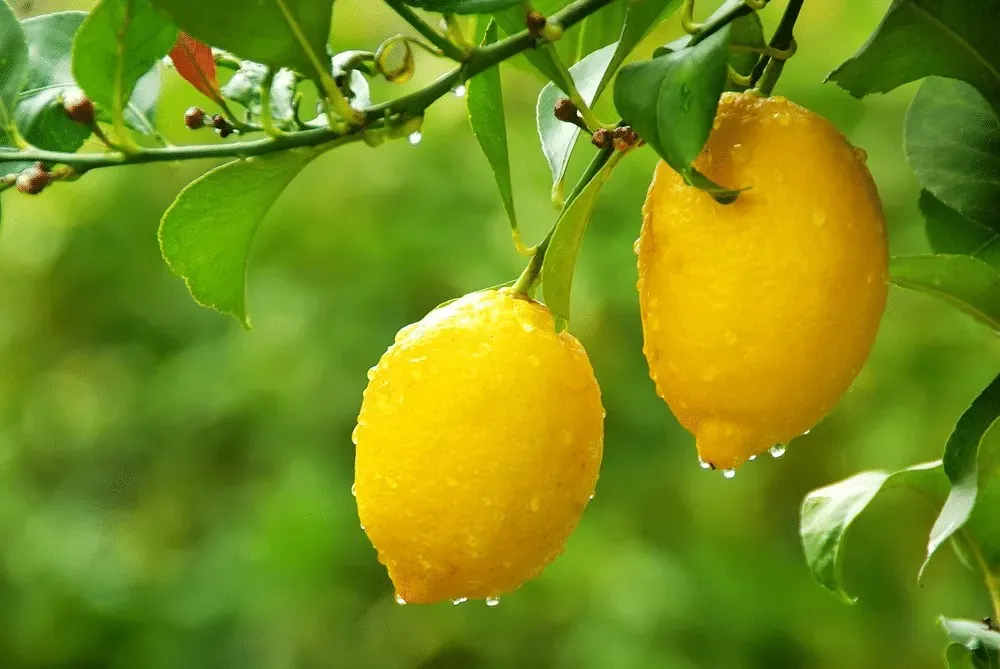
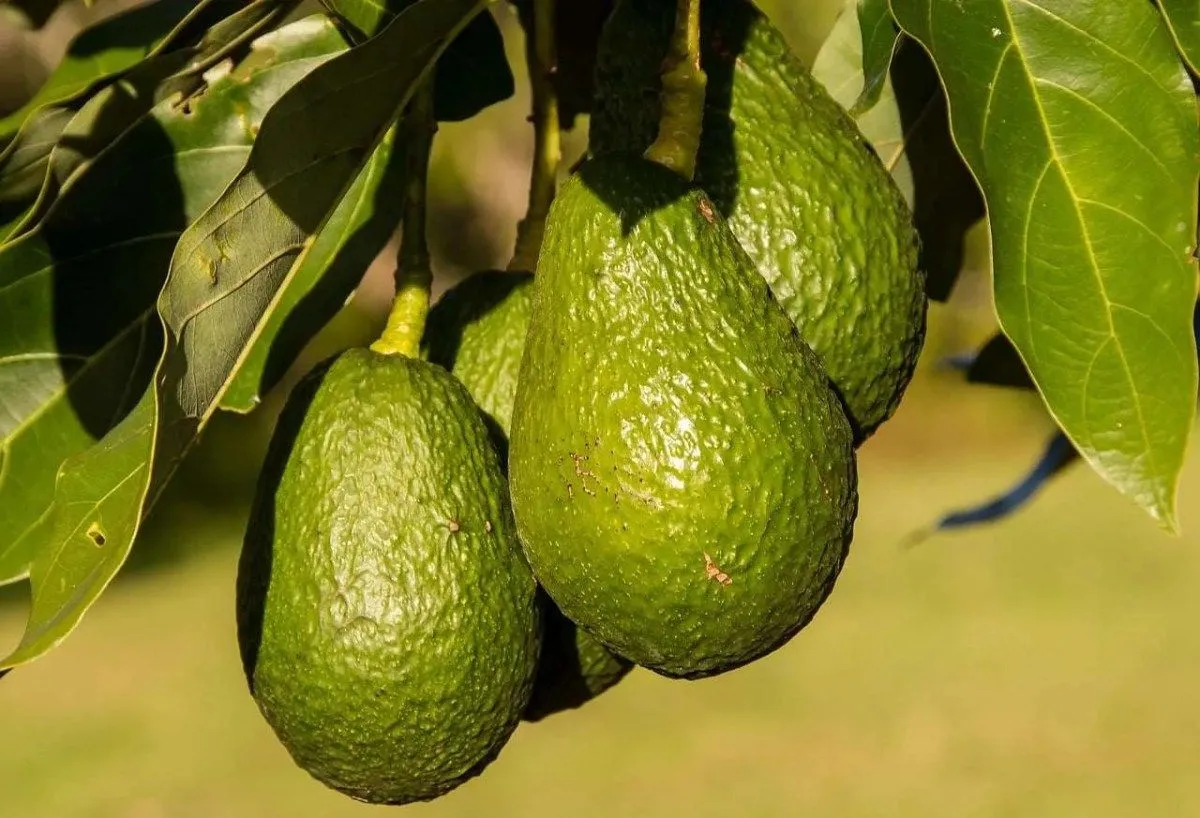
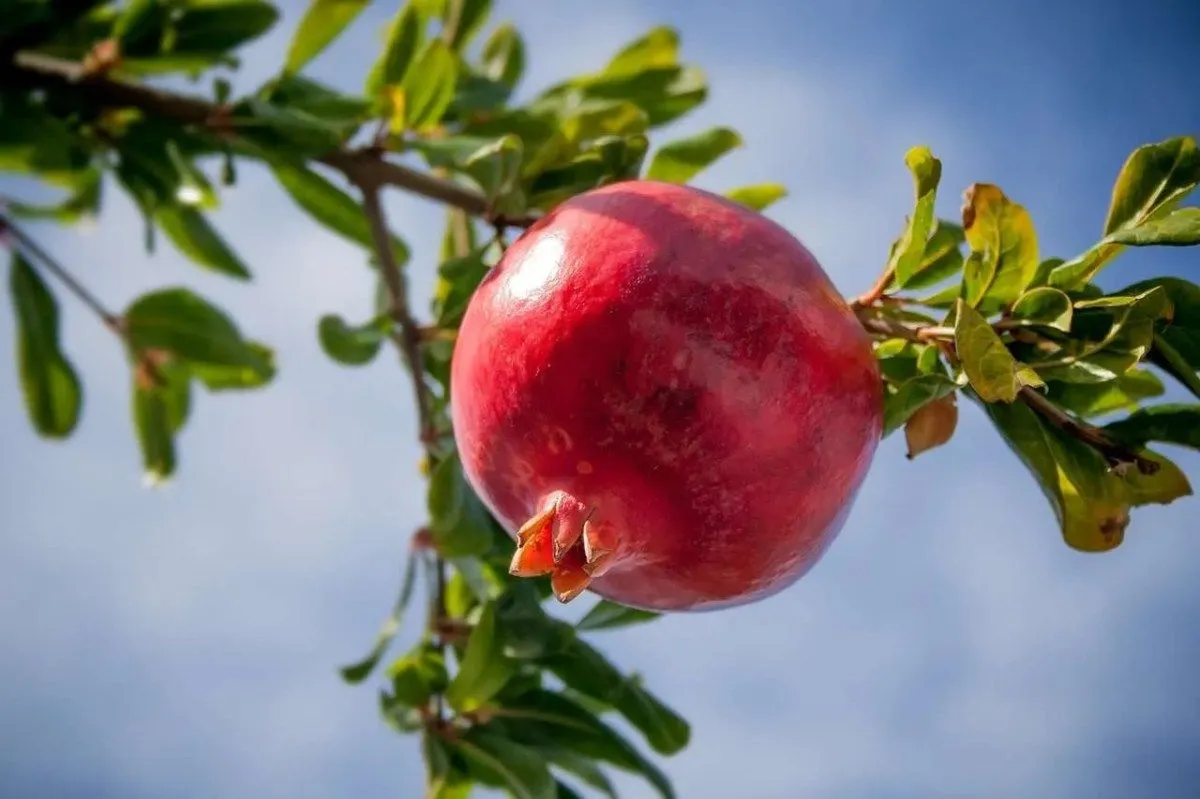
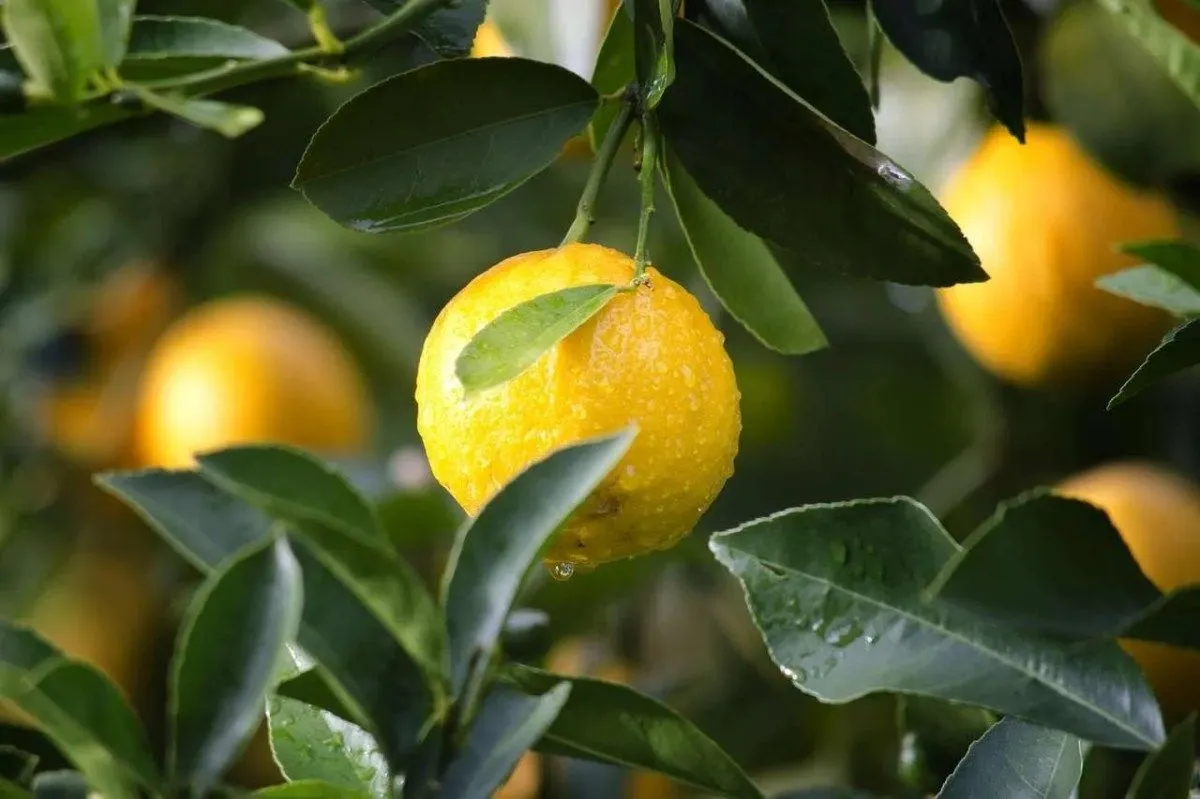
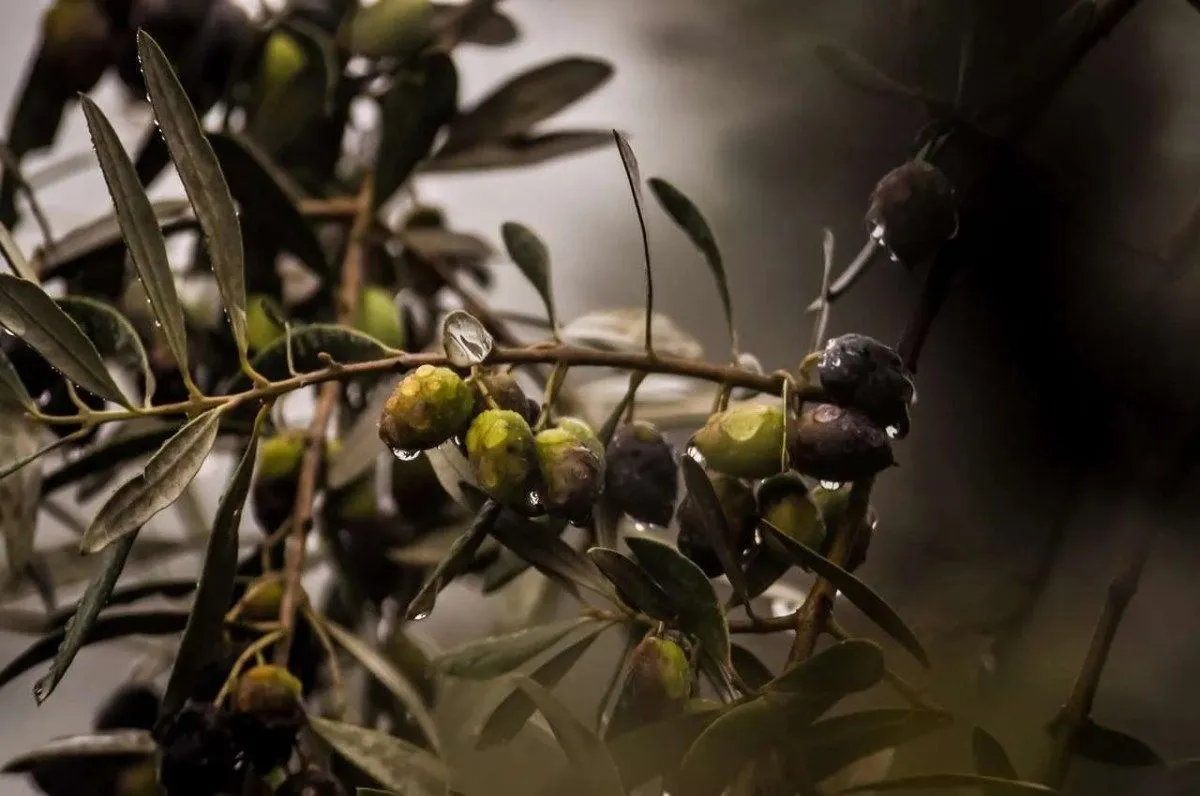
From fragrant Meyer lemons, Eureka lemons, mandarins, kumquats, and tangelos to creamy backyard avocados, honey-sweet loquats, ruby pomegranates, low-chill apples, fruiting olives, figs, thornless blackberries, and winter-planted strawberries, even a modest suburban yard or sunny patio can become a productive multi-layered edible food forest.
Matching Fruit Varieties, Chill Hours & Rootstocks to Your Climate
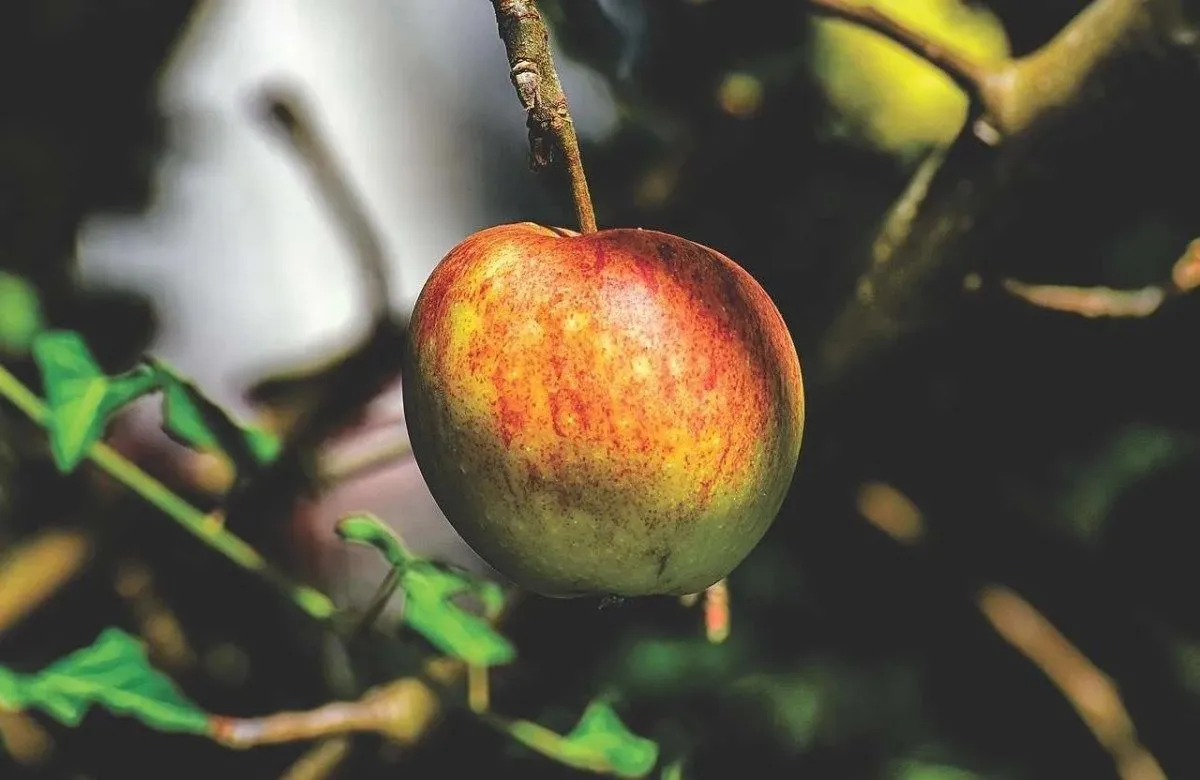
The single most important decision when establishing a home orchard is matching each species and cultivar to your region's winter chill hours, minimum frost temperatures, summer humidity, and native soil drainage. Traditional northern apple, sweet cherry, pear, or peach cultivars often fail to bloom or leaf out properly in mild southern climates because they require 700 to 1,000 hours of winter temperatures between 32°F and 45°F to break dormancy. By choosing specialized low-chill cultivars—such as 'Anna', 'Dorsett Golden', and 'TropicSweet' apples, or Florida-adapted peaches and nectarines—growers in mild zones can harvest crisp, tree-ripened fruit with fewer than 150 to 300 chill hours.
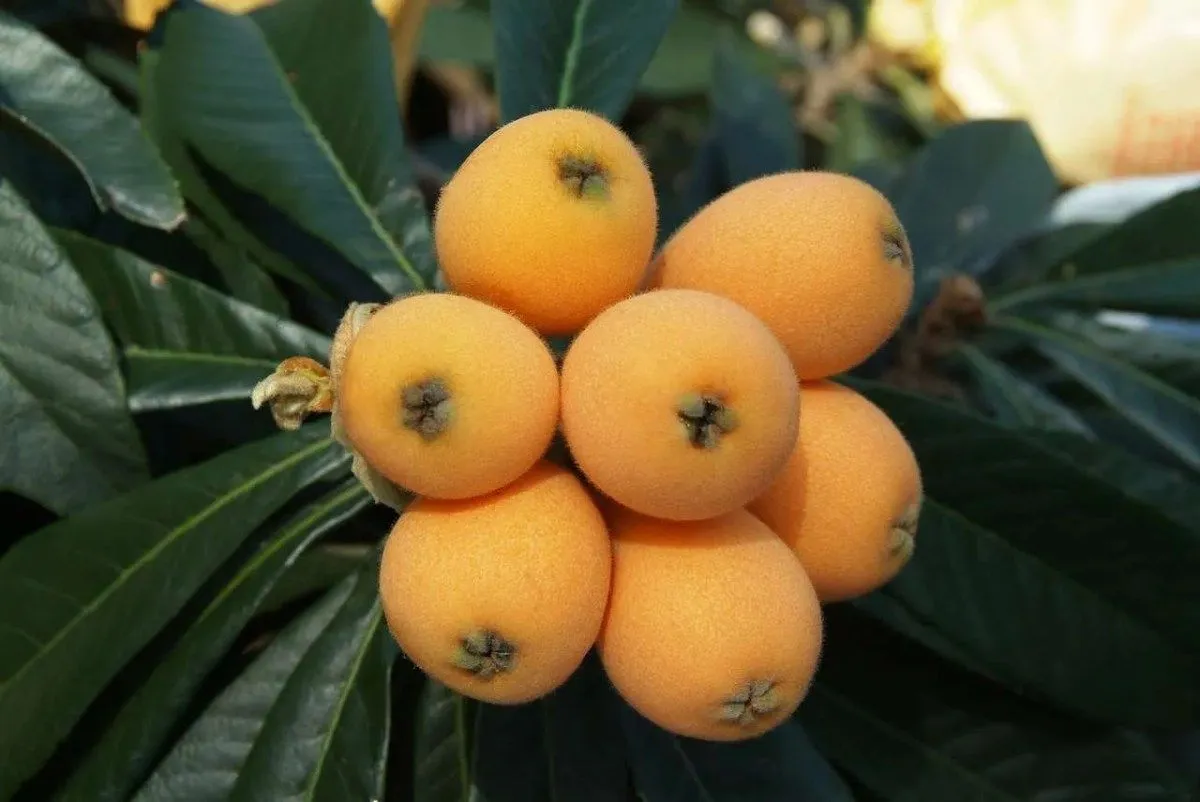
Subtropical favorites including West Indian and Guatemalan-hybrid avocados, loquats (Japanese plums), guavas, papayas, bananas, and ice cream bean trees flourish when planted in warm, frost-buffered microclimates on the south or southeast side of homes, fences, or windbreaks. Starting with grafted nursery trees—or propagating healthy semi-hardwood cuttings from proven lemon, fig, pomegranate, or olive trees—brings your orchard into bearing in just two to four years compared to seven to twelve years for un-grafted seedlings, while guaranteeing true-to-type fruit flavor and dwarf or semi-dwarf canopy size.
Site Preparation, High-Crown Planting & Organic Orchard Nutrition
Nearly all fruiting trees and berry canes require full sunlight (at least six to eight hours of unobstructed sun daily) and well-aerated, biologically active soil. Standing water around feeder roots invites Phytophthora root rot, especially in avocados, citrus, and stone fruits. When digging your planting hole, make it twice as wide as the nursery container but no deeper than the root ball; set the tree slightly high so the uppermost structural root flare sits right at or an inch above surrounding grade, and keep the graft union several inches clear of soil.
Water deeply and thoroughly during the first growing season to encourage deep anchoring roots, then maintain a wide ring of coarse arborist wood-chip, pine-bark, or oak-leaf mulch extending all the way out to the tree's outer drip line—always pulling mulch three to four inches back from the trunk bark to prevent collar rot and rodent damage. Feed your orchard organically in early spring, late spring, and early autumn using finished compost, worm castings, kelp meal, alfalfa meal, and balanced organic fruit-tree fertilizers containing chelated trace micronutrients like iron, zinc, manganese, magnesium, and boron.
Structural Pruning, Pollination & Understory Berry Guilds
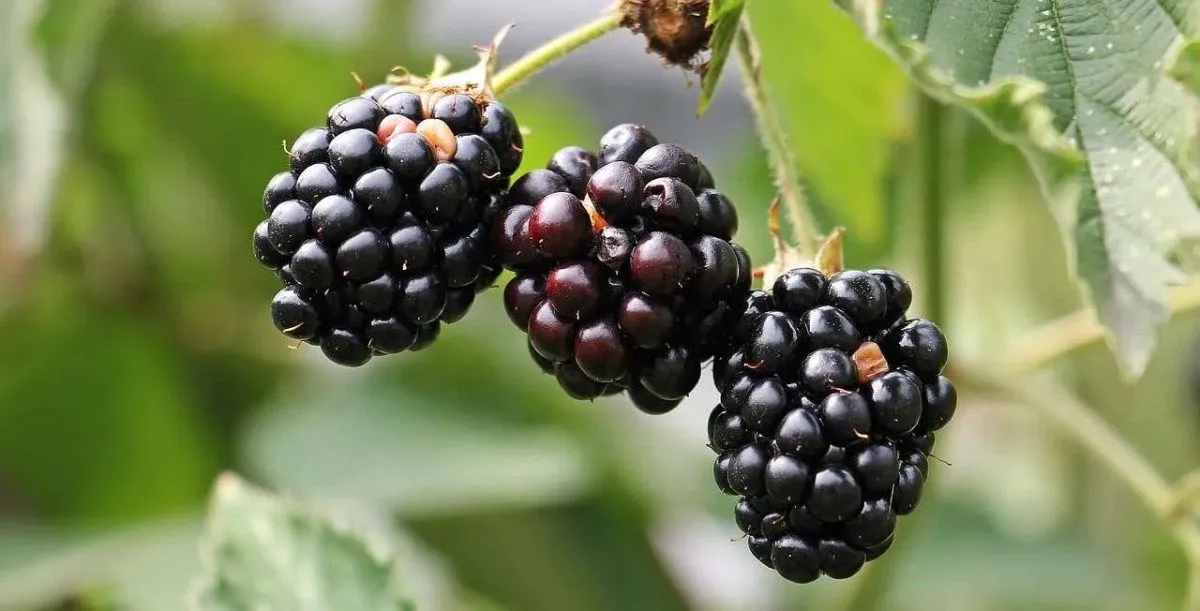
Gentle annual pruning shapes a strong open-center or modified-leader canopy that lets sunlight and breezes reach interior branches, naturally reducing fungal pressure while keeping ripe fruit within easy reach from the ground without tall orchard ladders. Thinning heavy young fruit clusters in spring also prevents branch breakage and channels the tree's energy into larger, sweeter fruit while discouraging biennial bearing. Surround your fruit trees with nitrogen-fixing cover plants, aromatic herbs, and productive understory berry crops like trellised blackberries and Florida winter strawberries (planted October through December) to harvest fresh homegrown fruit nearly twelve months a year. Browse our complete fruit tree and berry guides below to plan and care for your backyard orchard.