Growing Organic Heirloom Vegetables at Home
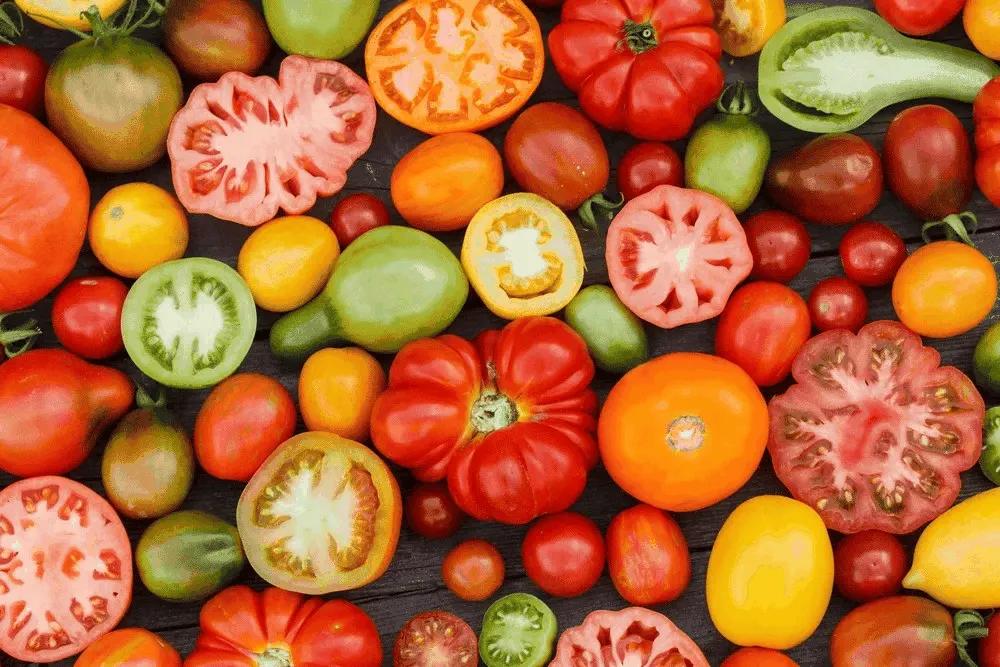
At Amaral Farm, vegetable gardening is the cornerstone of a self-reliant, chemical-free homestead. Growing your own heirloom vegetables transforms the way you eat and connect with the seasons. Unlike commercial hybrid varieties bred primarily for mechanical harvesting, uniform shipping, and extended supermarket shelf life, open-pollinated heirloom vegetables have been selected across generations of home gardeners for extraordinary flavor, tenderness, vibrant colors, and kitchen performance.
Whether you are tending raised cedar beds in a suburban backyard, cultivating a sunny patio container garden, or managing a larger family plot in Central Florida, successful organic vegetable gardening begins beneath the surface with living, biologically active soil.
Building Living Soil for Nutrient-Dense Harvests
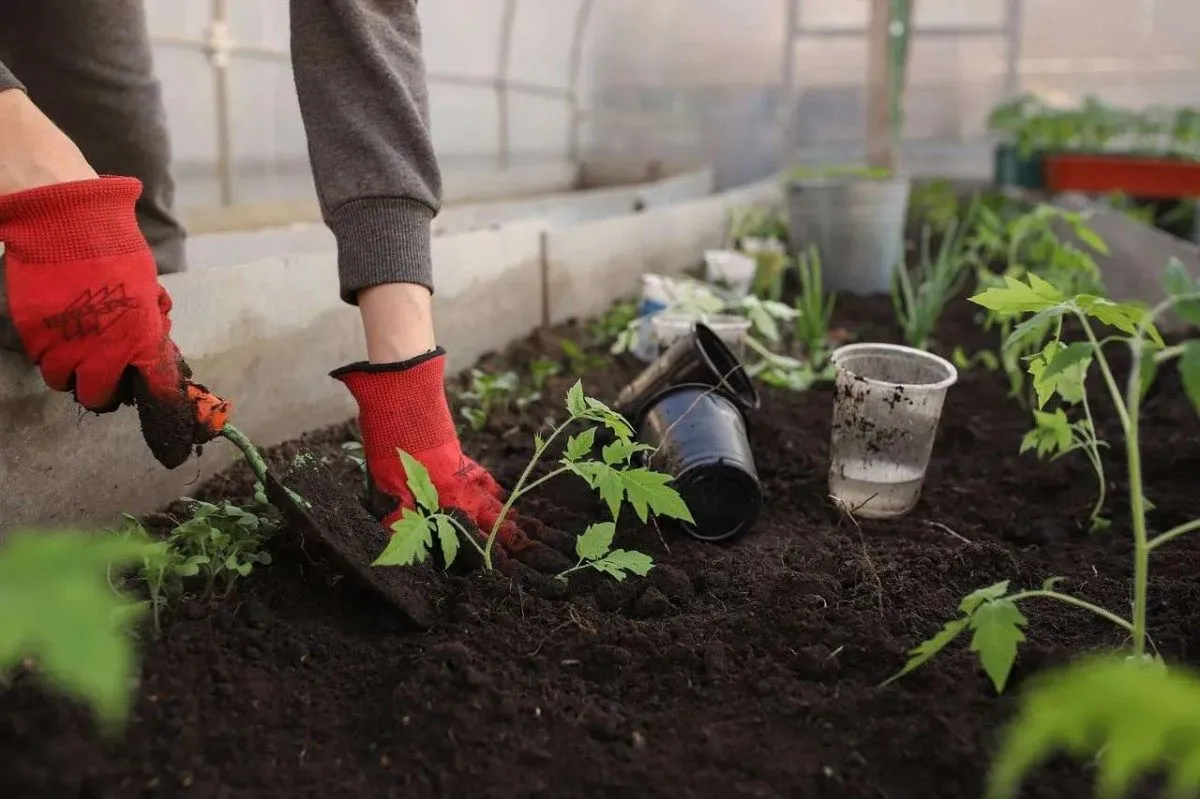
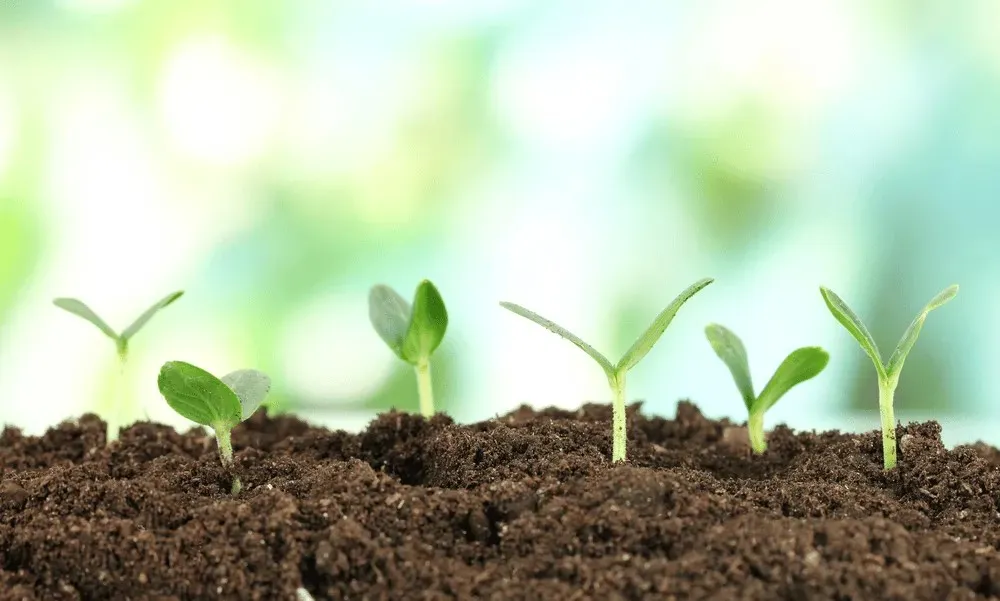
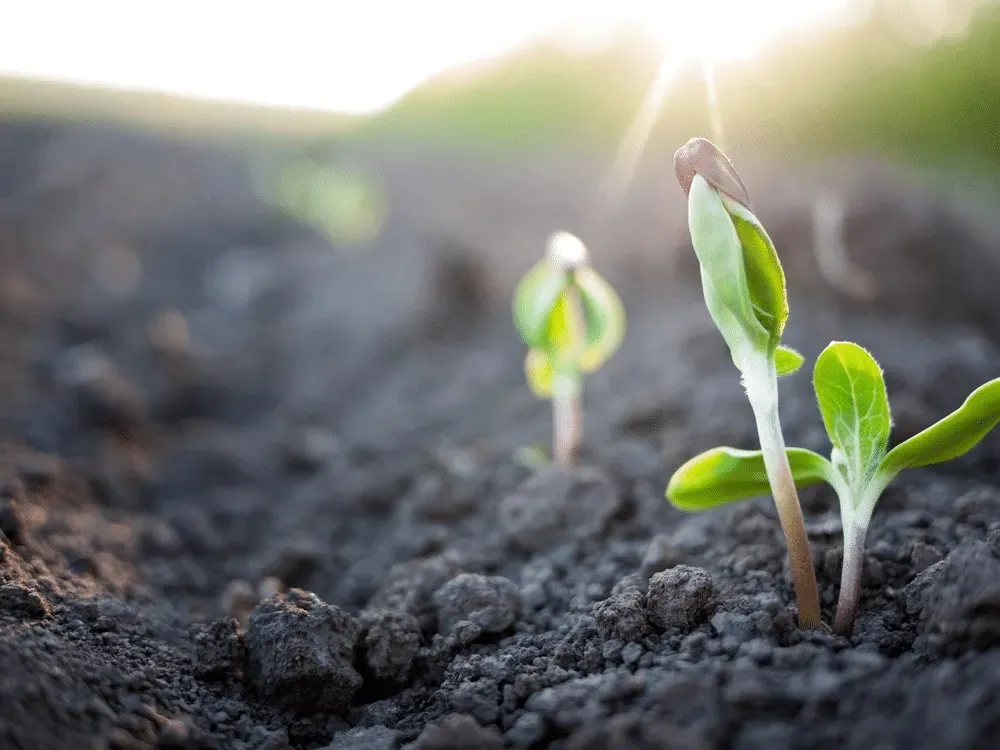
Healthy vegetable crops rely on a thriving soil food web of beneficial bacteria, mycorrhizal fungi, earthworms, and decomposing organic matter. Rather than feeding plants synthetic water-soluble chemical salts that leach into groundwater and degrade soil structure over time, organic vegetable growers feed the soil itself. By incorporating aged kitchen-scrap compost, worm castings, leaf mold, and leguminous cover crops, you create a dark, sponge-like loam that retains moisture during dry spells while draining freely during heavy summer downpours.
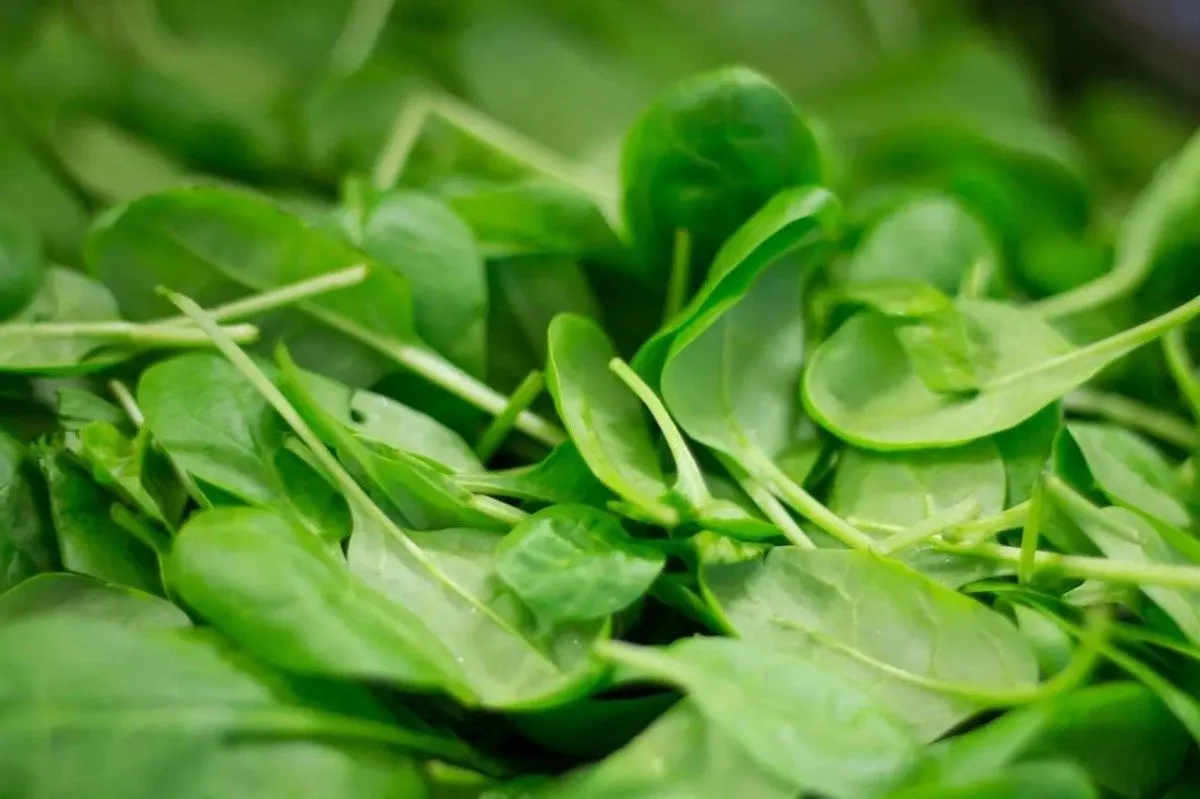
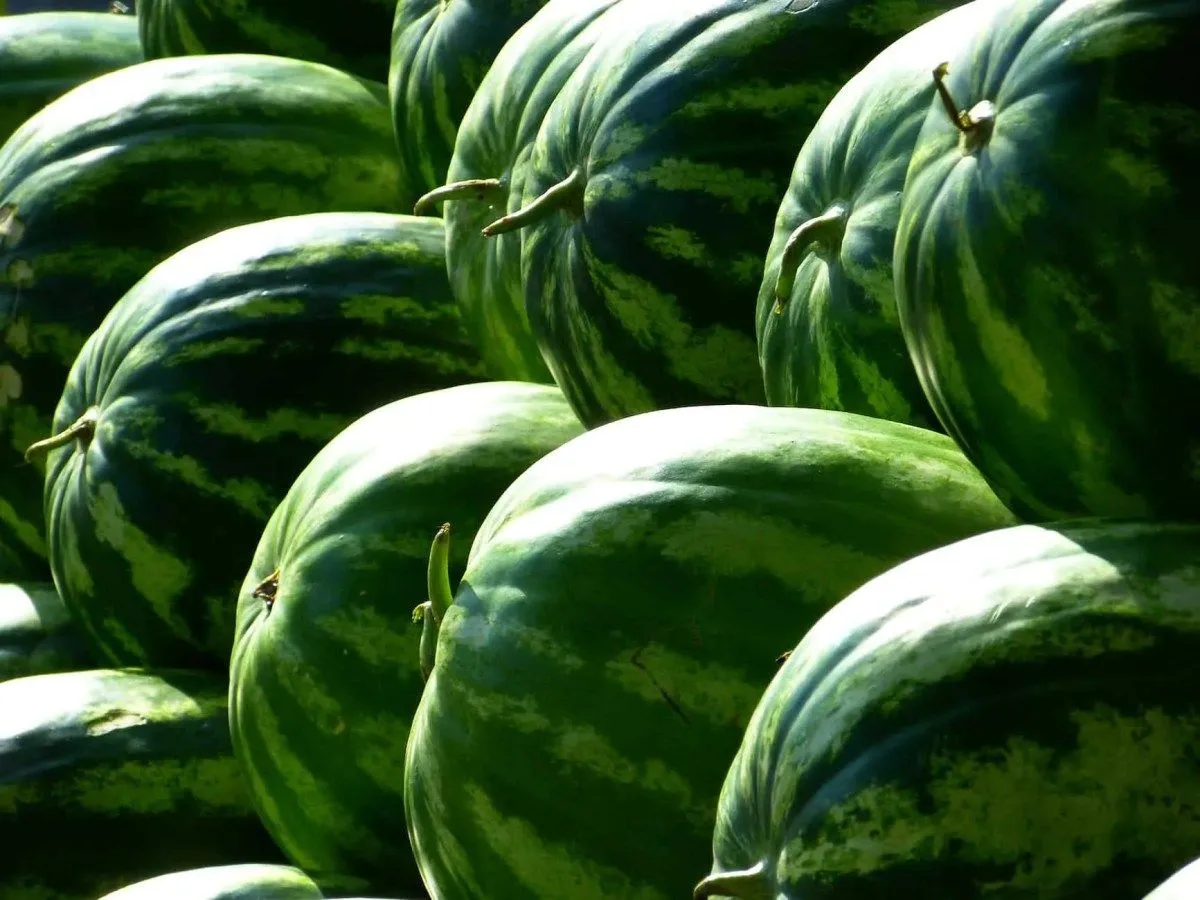
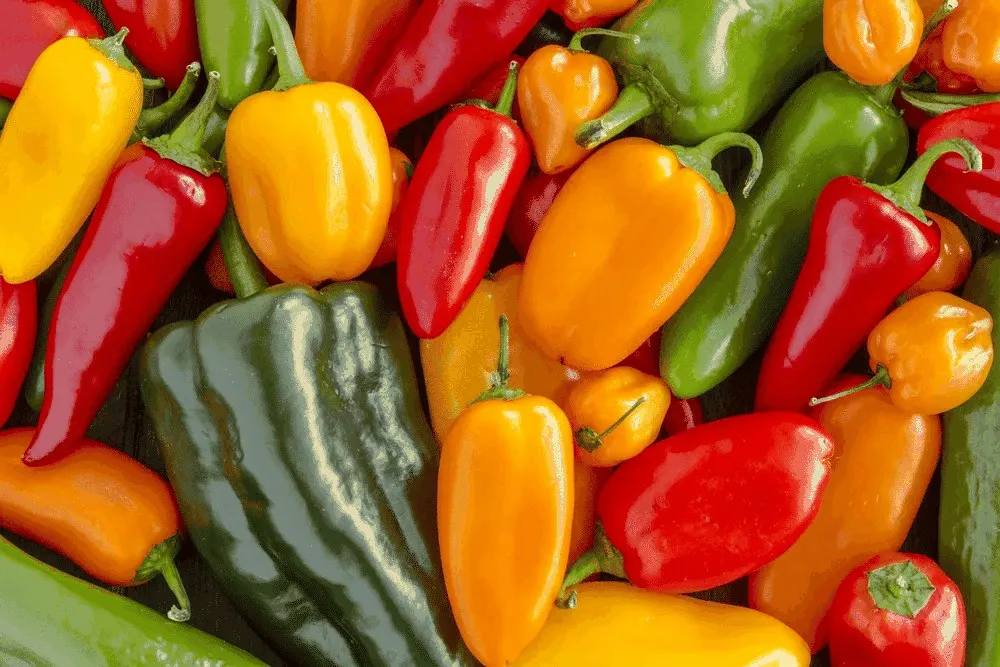
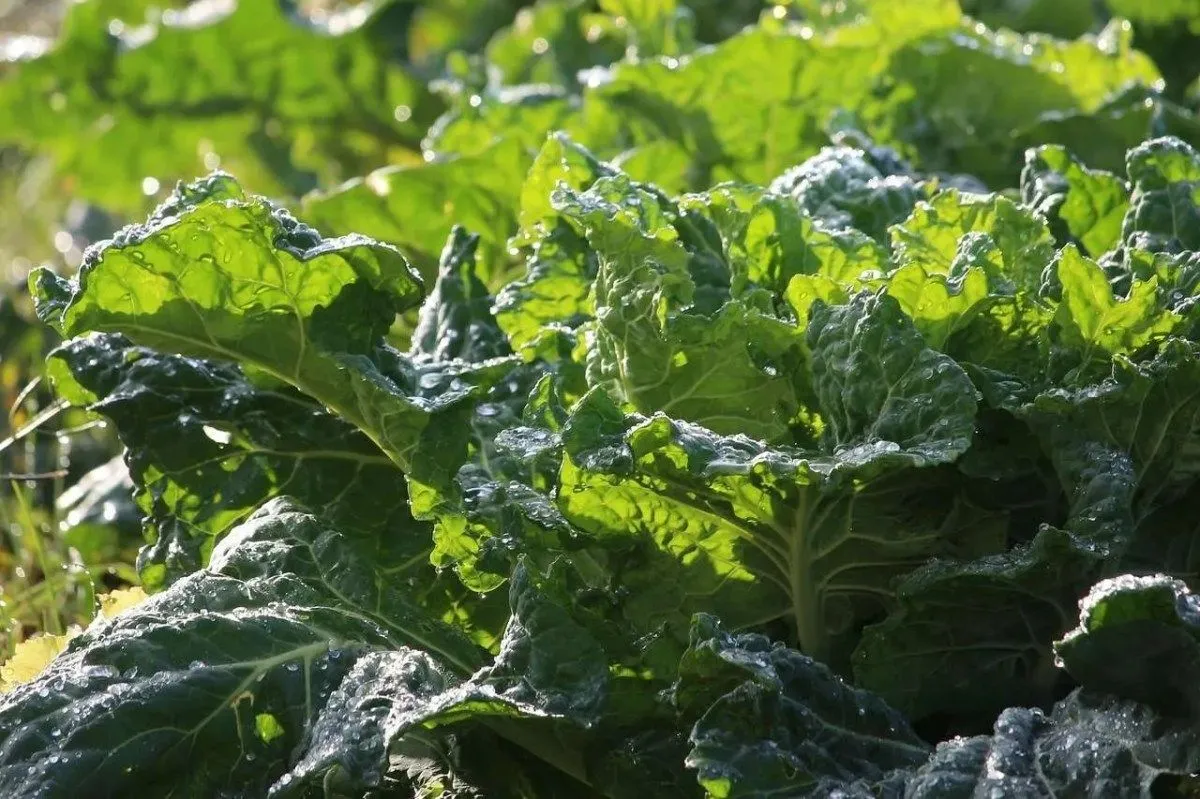
Before planting each season, top-dress your beds with two to three inches of finished compost and a balanced, slow-release organic fertilizer. Leafy greens such as heirloom spinach, Tuscan kale, collards, Swiss chard, and crisphead lettuce thrive on steady organic nitrogen, whereas fruiting crops like beefsteak tomatoes, sweet and hot peppers, winter squash, eggplants, and watermelons benefit from additional phosphorus, potassium, trace kelp minerals, and calcium as blossoms set and fruits swell.
Choosing the Right Crops for Your Growing Season
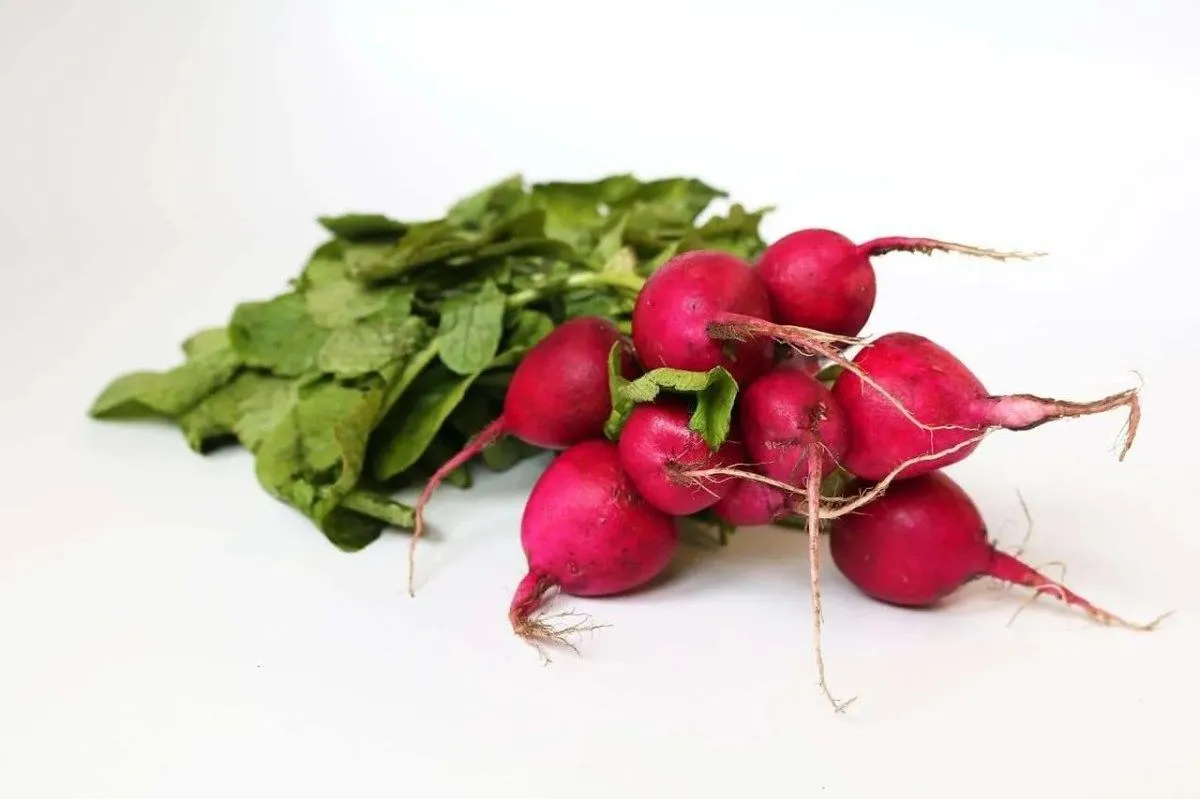
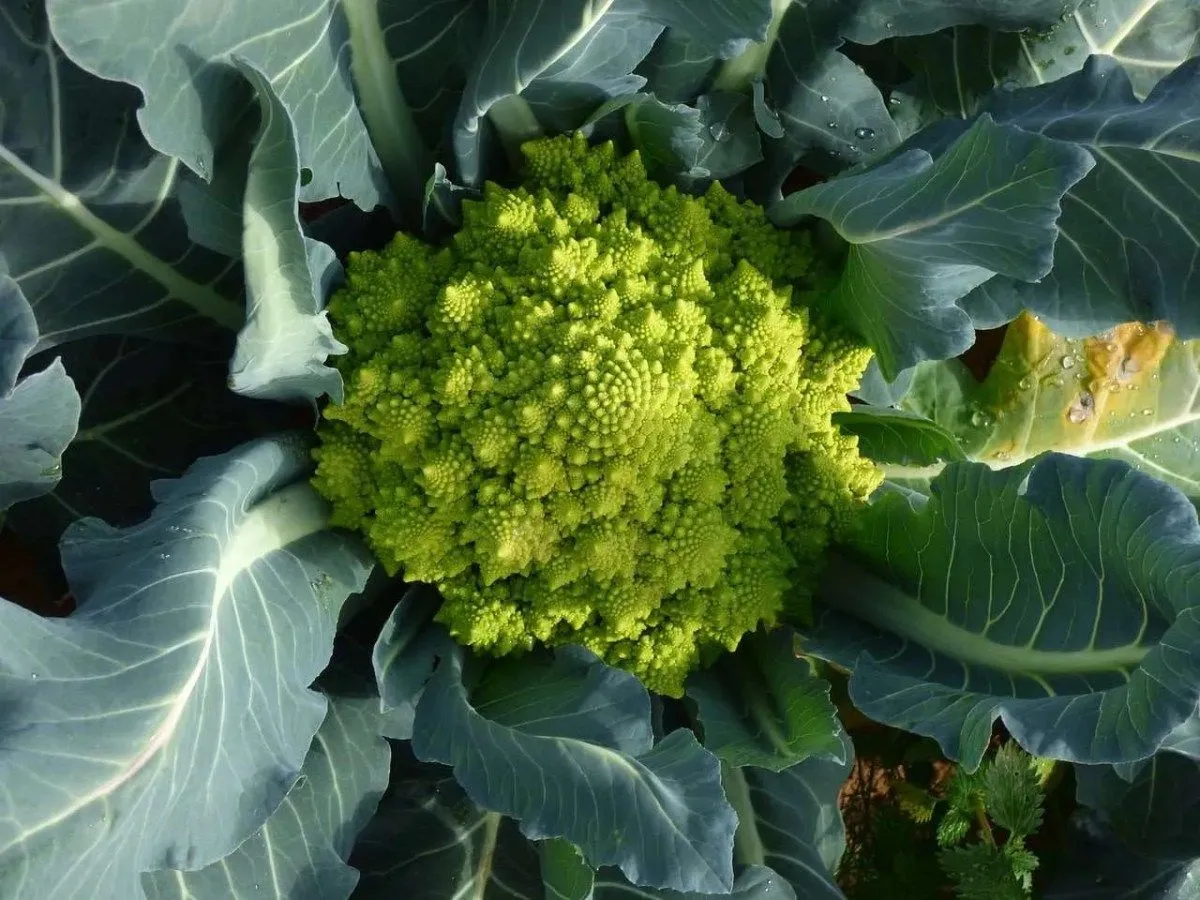
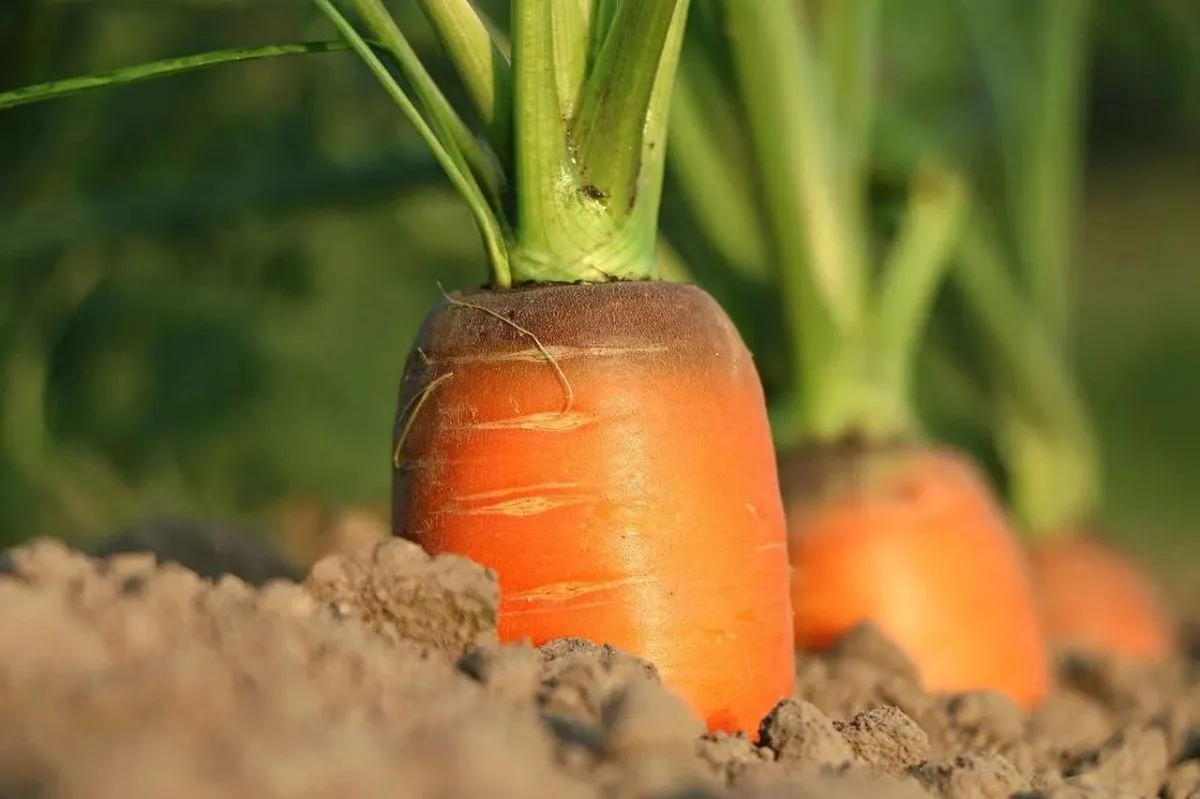
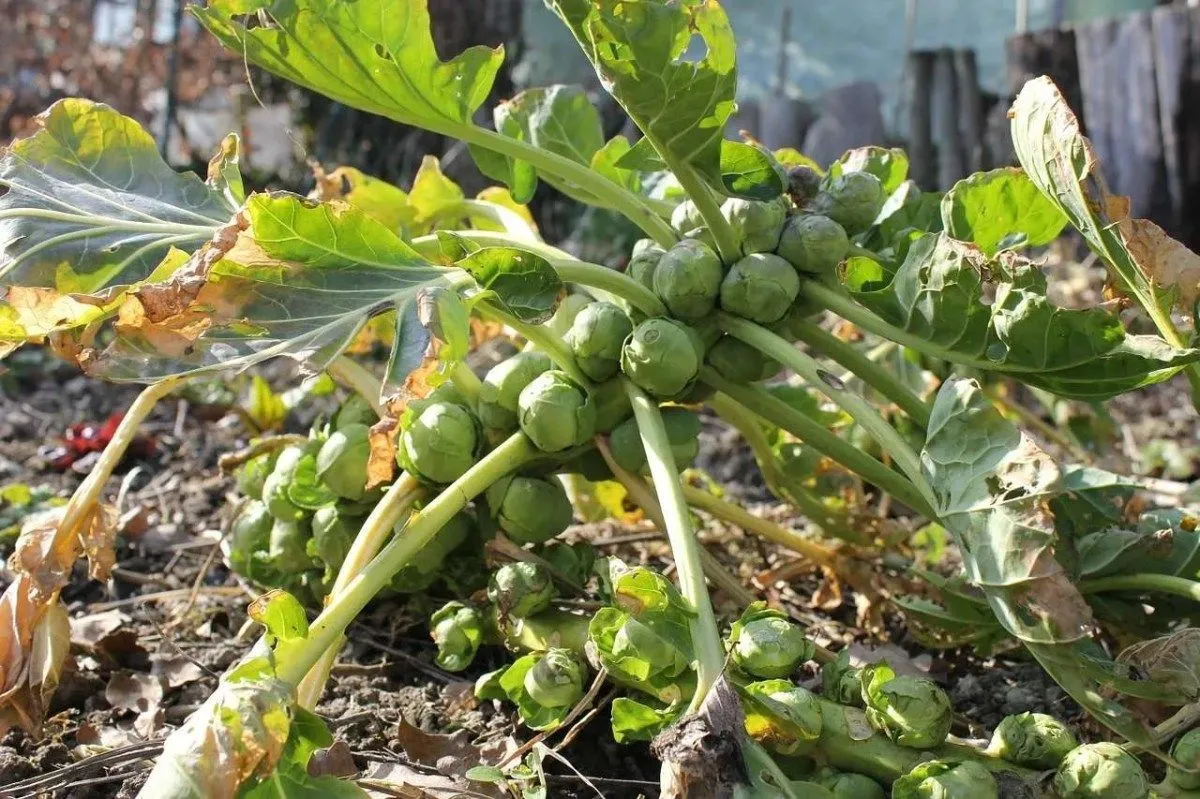
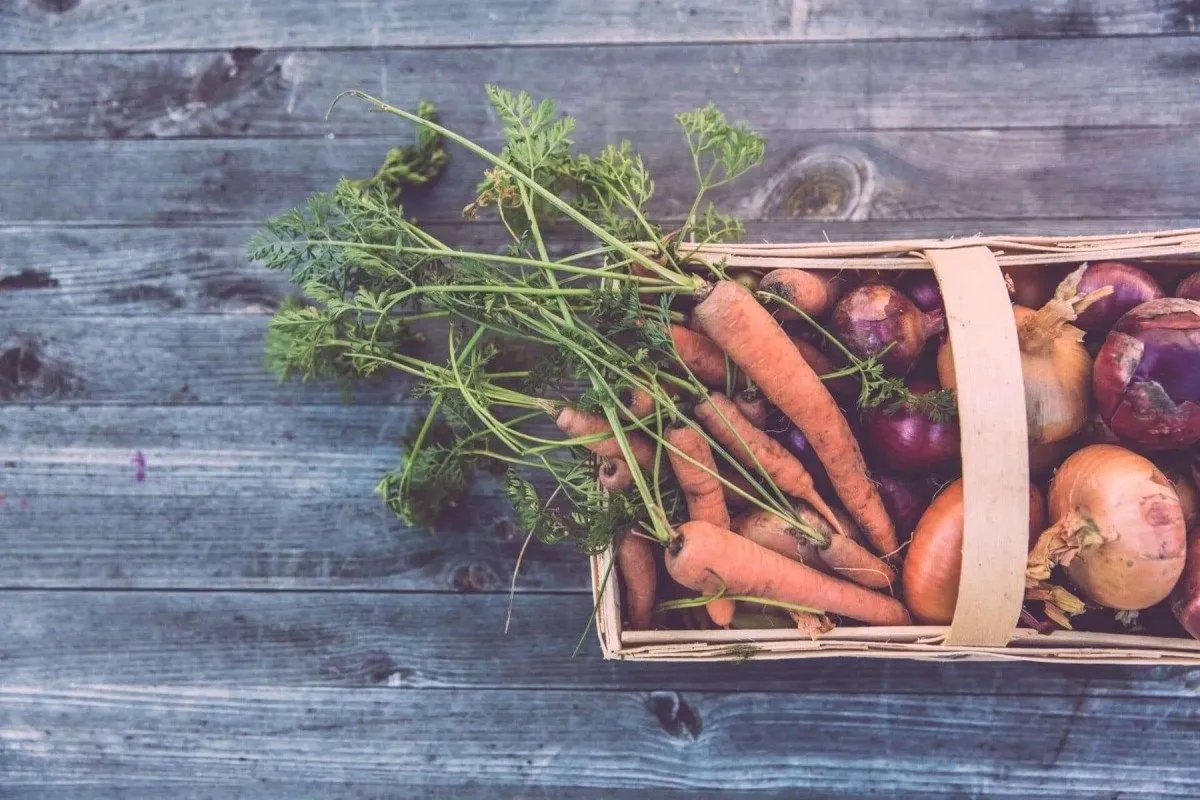
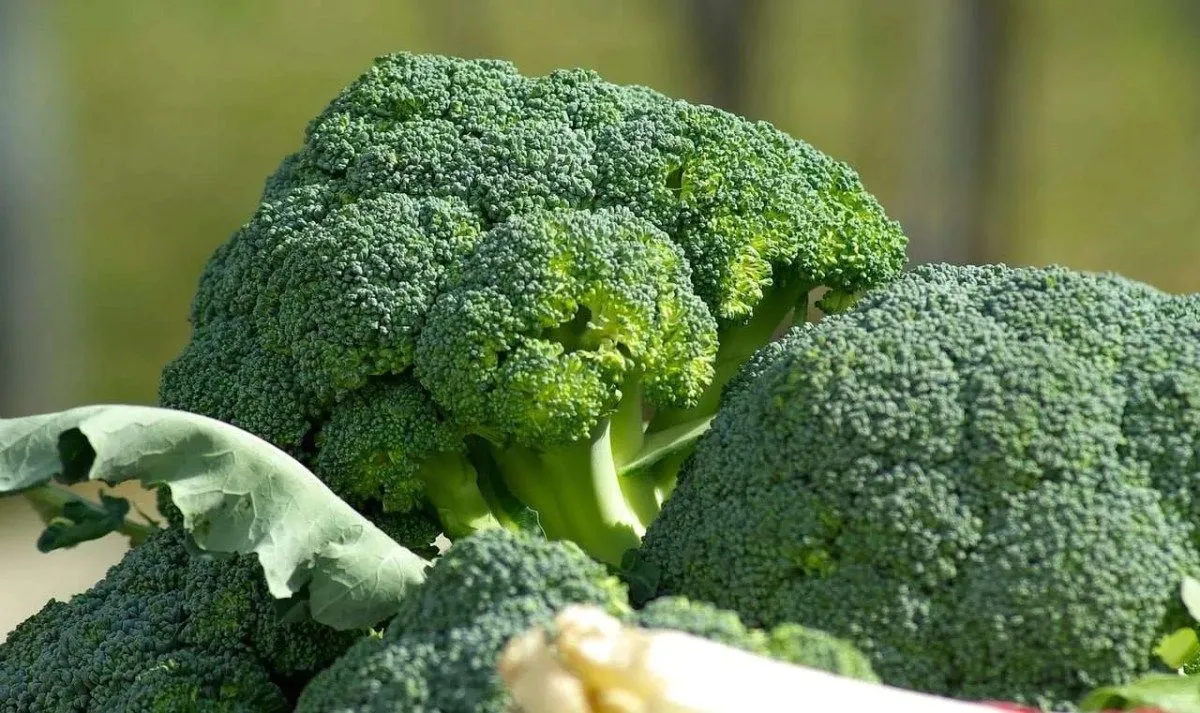
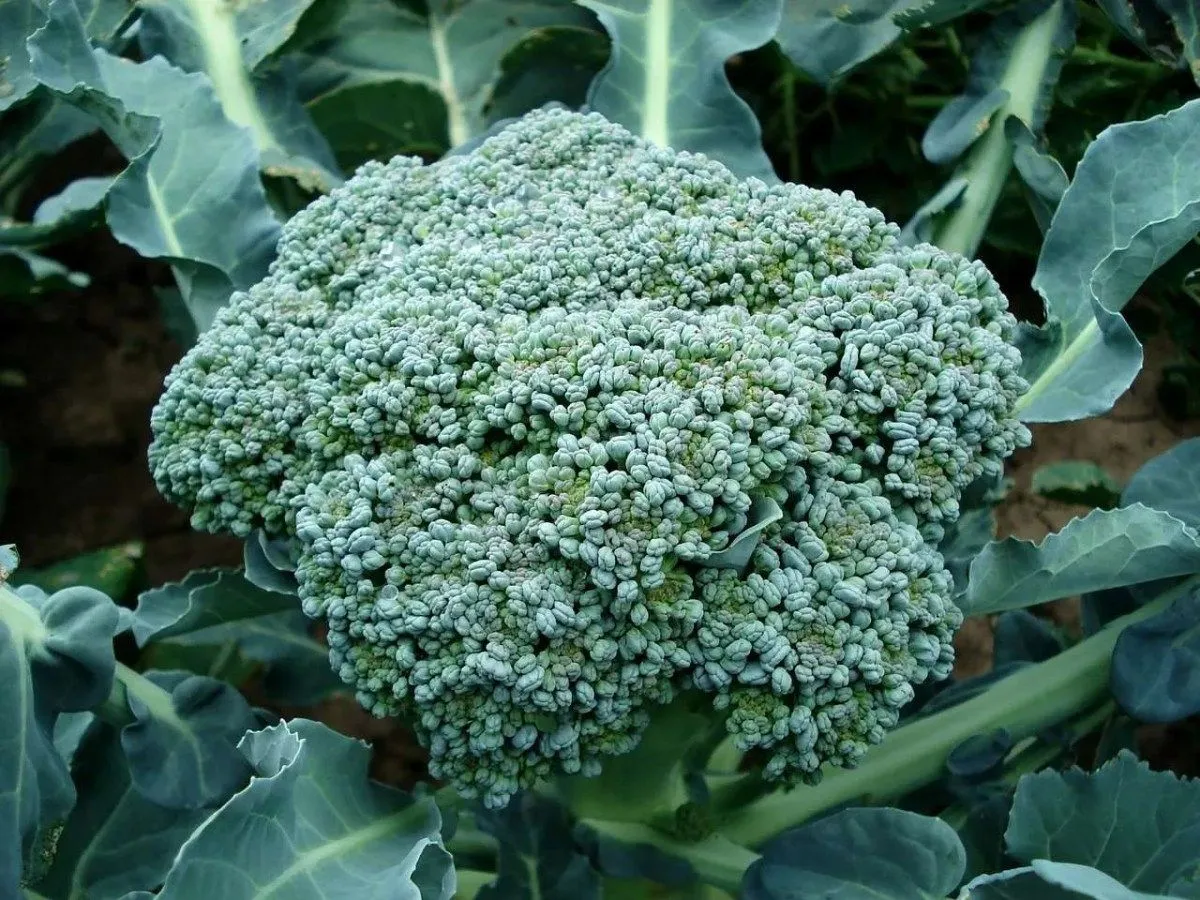
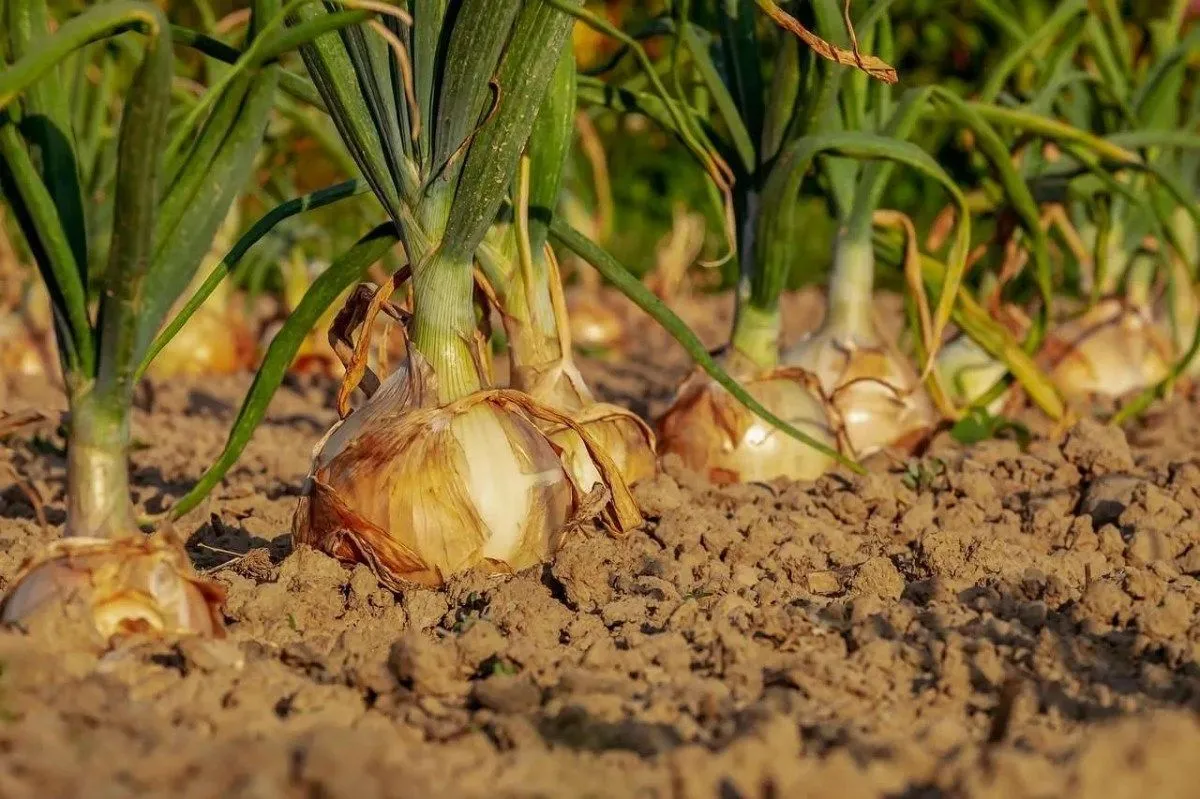
Timing your plantings to match both soil temperature and day length is one of the most effective ways to prevent transplant stress, premature bolting, and insect pressure. Cool-season vegetables—including broccoli, Brussels sprouts, cabbage, cauliflower, carrots, radishes, beets, leeks, onions, peas, spinach, and kale—flourish when daytime highs sit comfortably in the 60s and 70s Fahrenheit, developing noticeably sweeter flavors after light autumn and winter cool snaps convert plant starches into natural sugars.
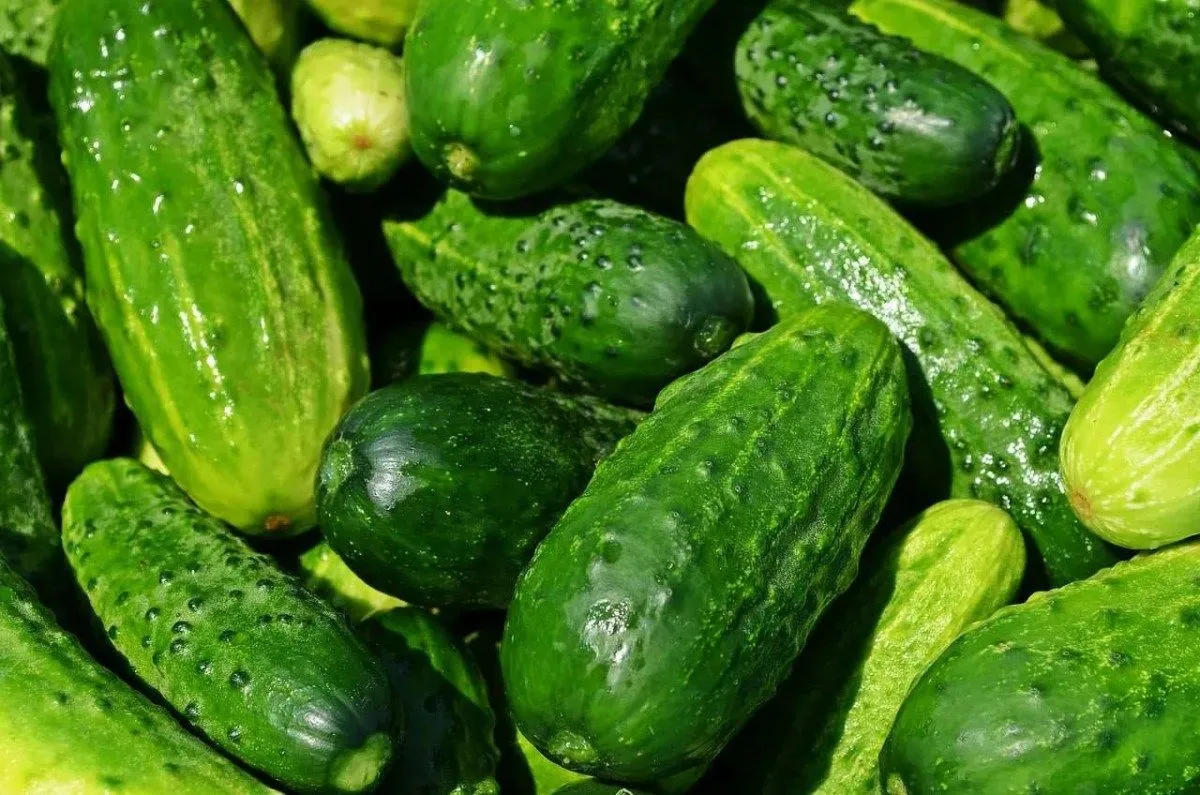
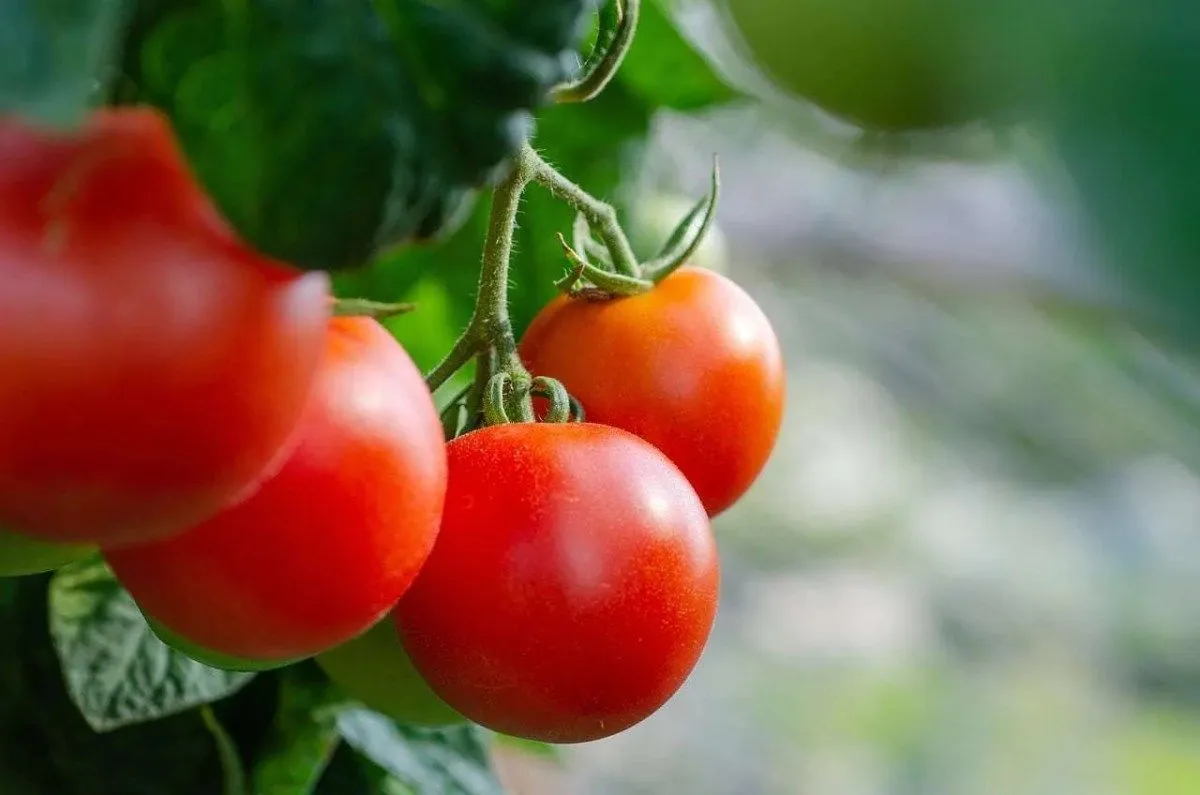
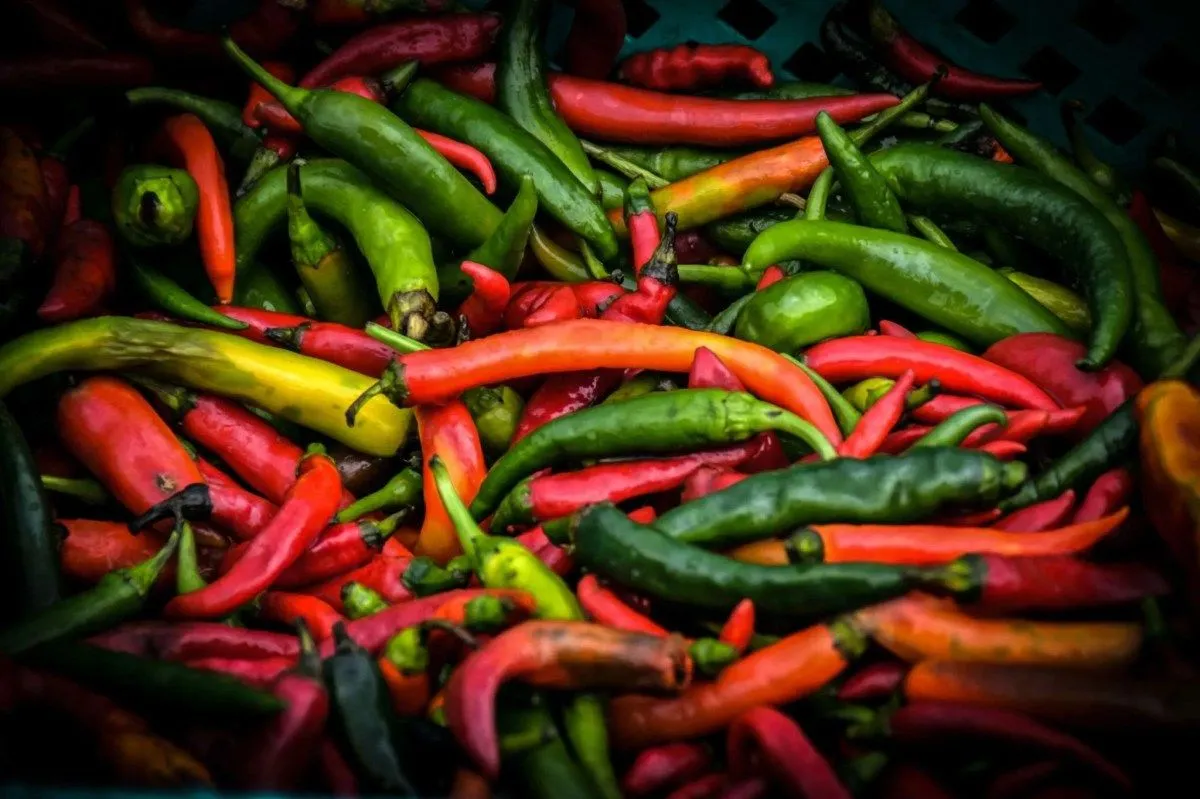
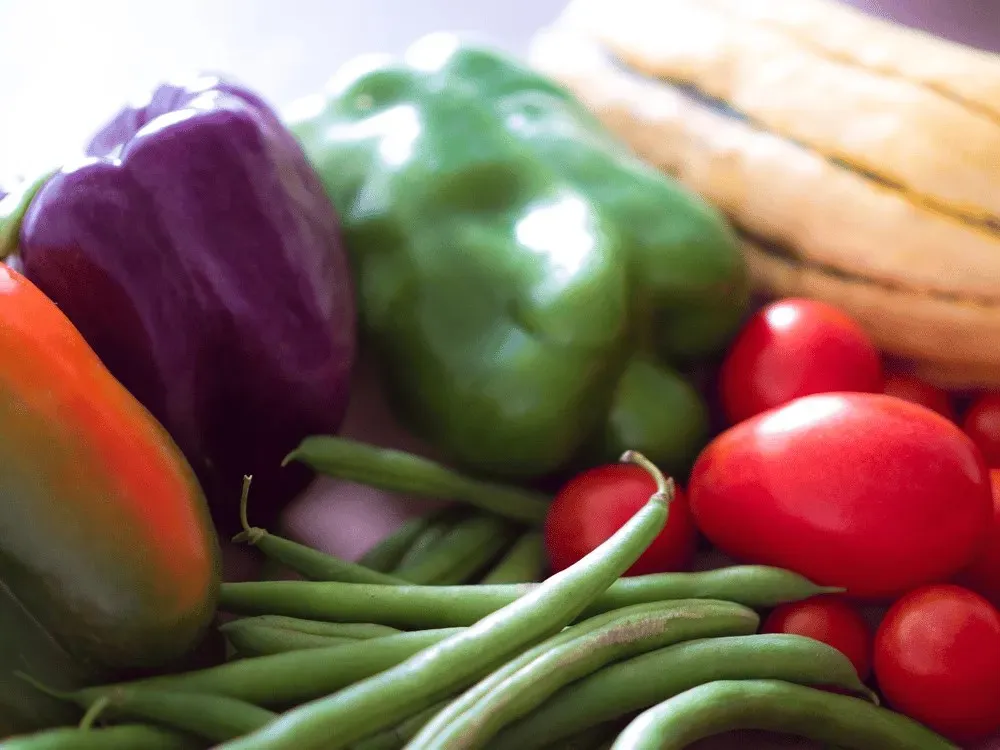
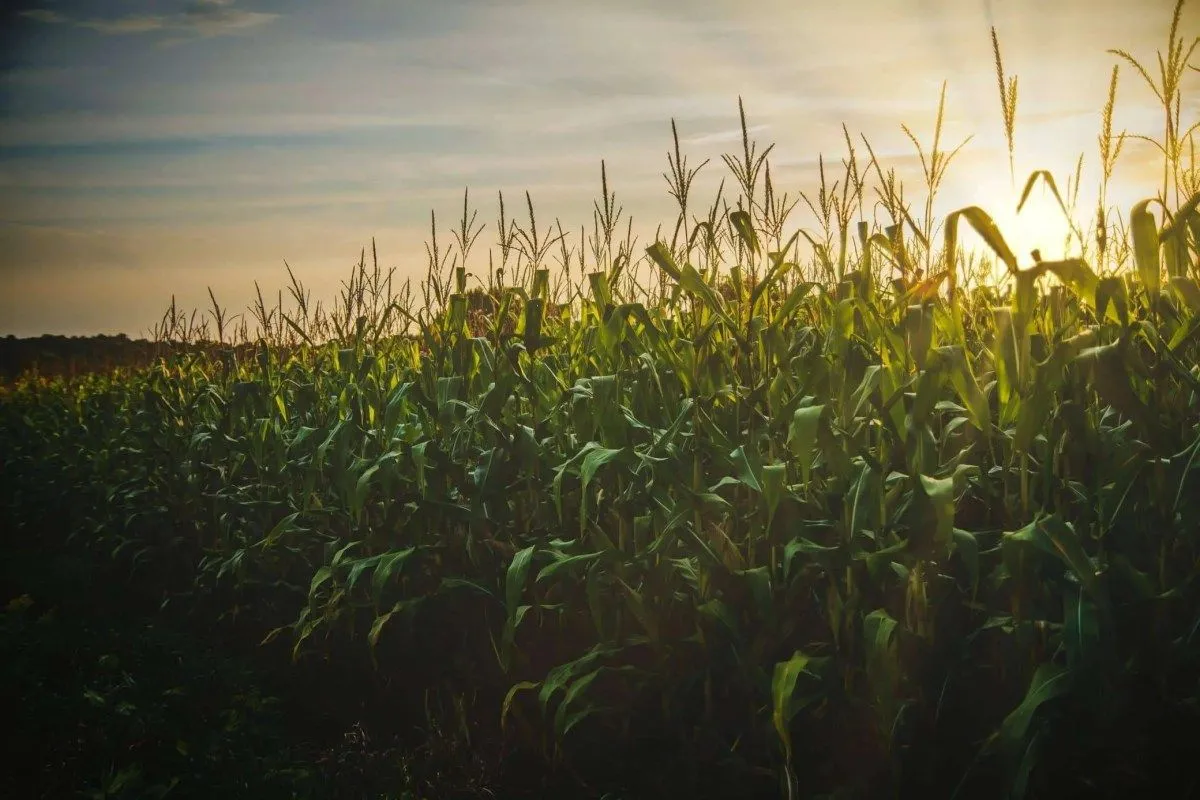
Warm-season staples—such as heirloom tomatoes, bell and chili peppers, bush and pole beans, sweet corn, slicing cucumbers, okra, and melons—demand warm spring and summer soil along with at least six to eight hours of direct sunlight daily. In mild winter climates like USDA Hardiness Zone 9b, gardeners enjoy two distinct primary growing windows each year, allowing nearly year-round harvests when varieties are matched carefully to the seasonal planting calendar.
Succession Sowing, Companion Planting & Raised Bed Layout
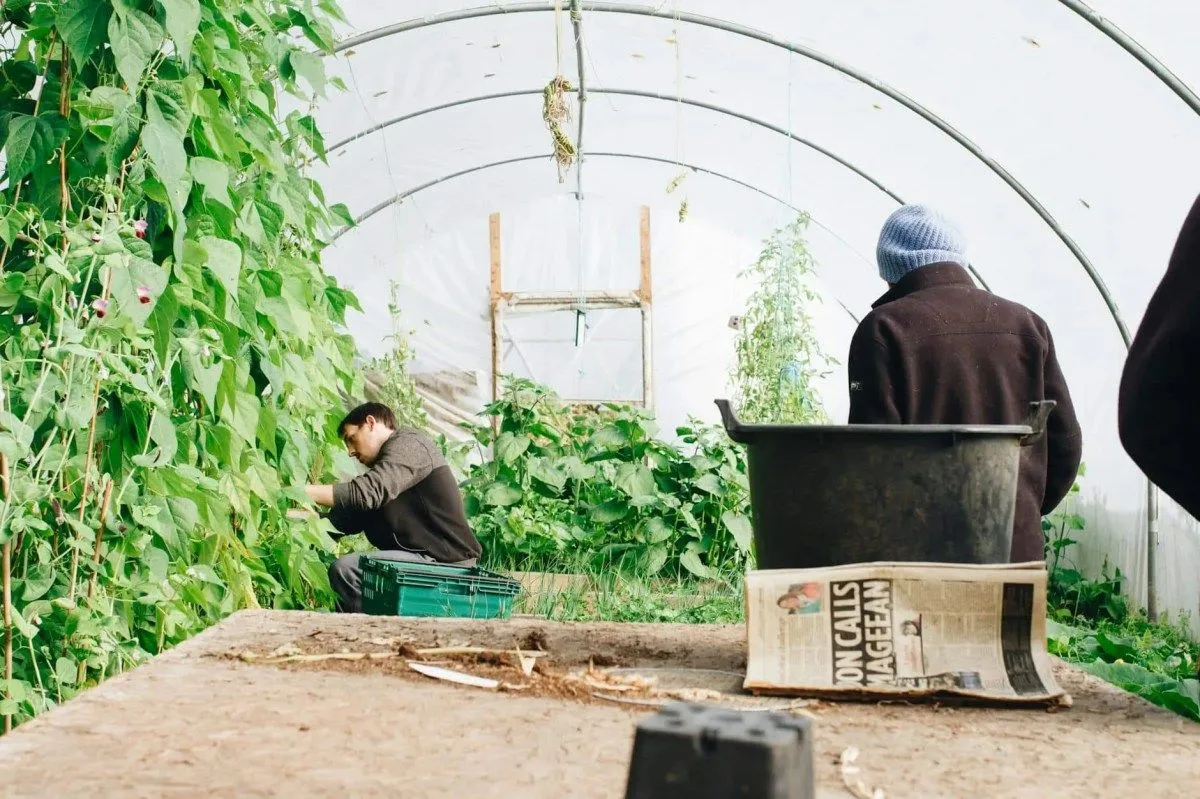
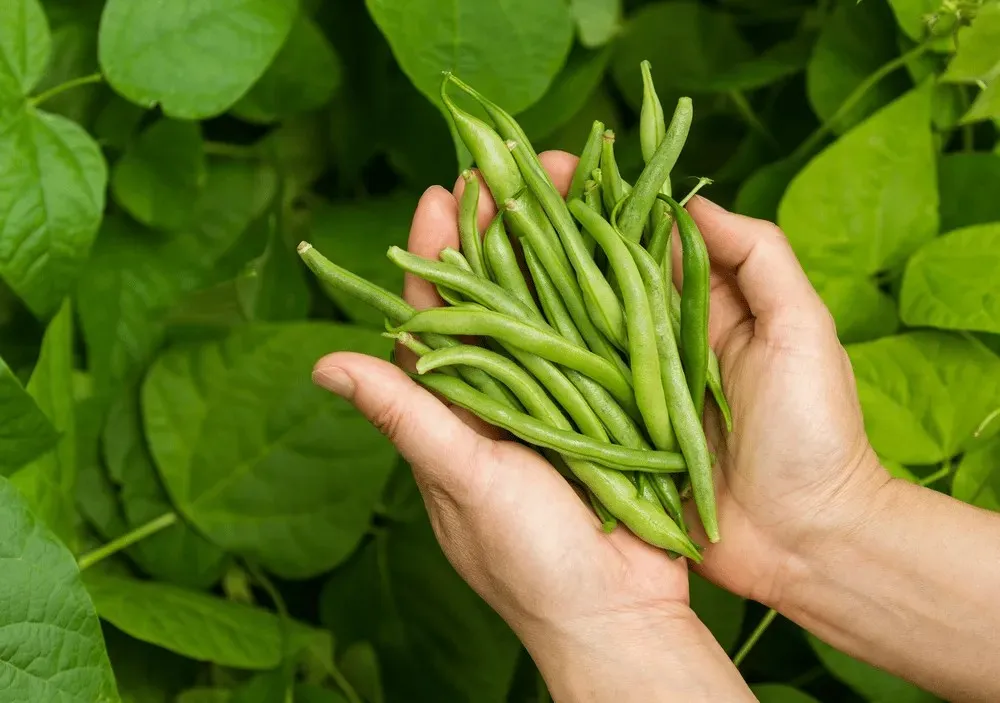
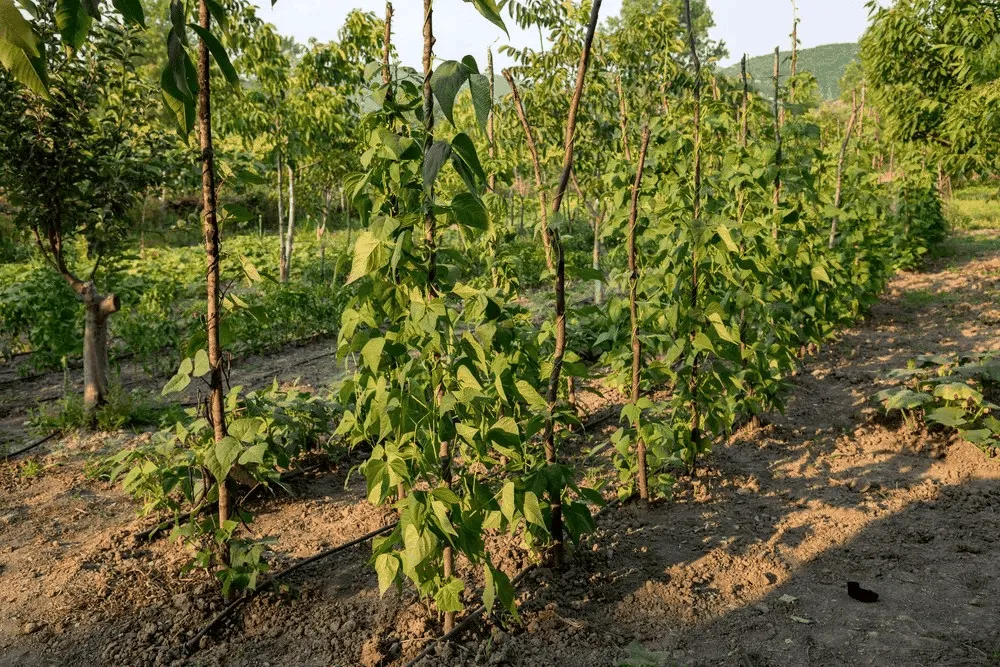
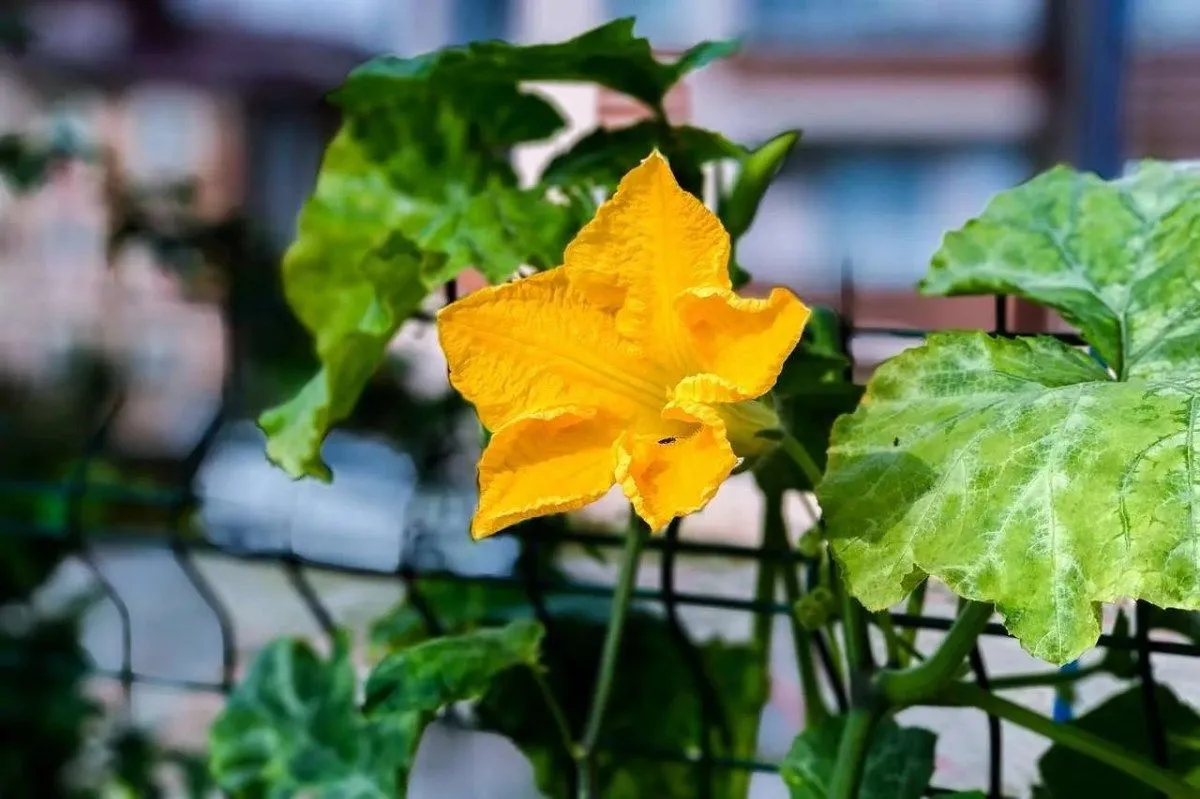
To maximize yield from every square foot of garden space, practice succession sowing and vertical trellising. Instead of planting an entire packet of radish, carrot, bush bean, or lettuce seeds all on the same Saturday, sow smaller batches every ten to fourteen days so fresh harvests mature continuously rather than all at once. Train vining crops like pole beans, indeterminate tomatoes, cucumbers, and sugar snap peas upward onto cattle-panel arches, bamboo teepees, or sturdy stakes to improve airflow and free up bed space below for shade-tolerant greens and culinary herbs.
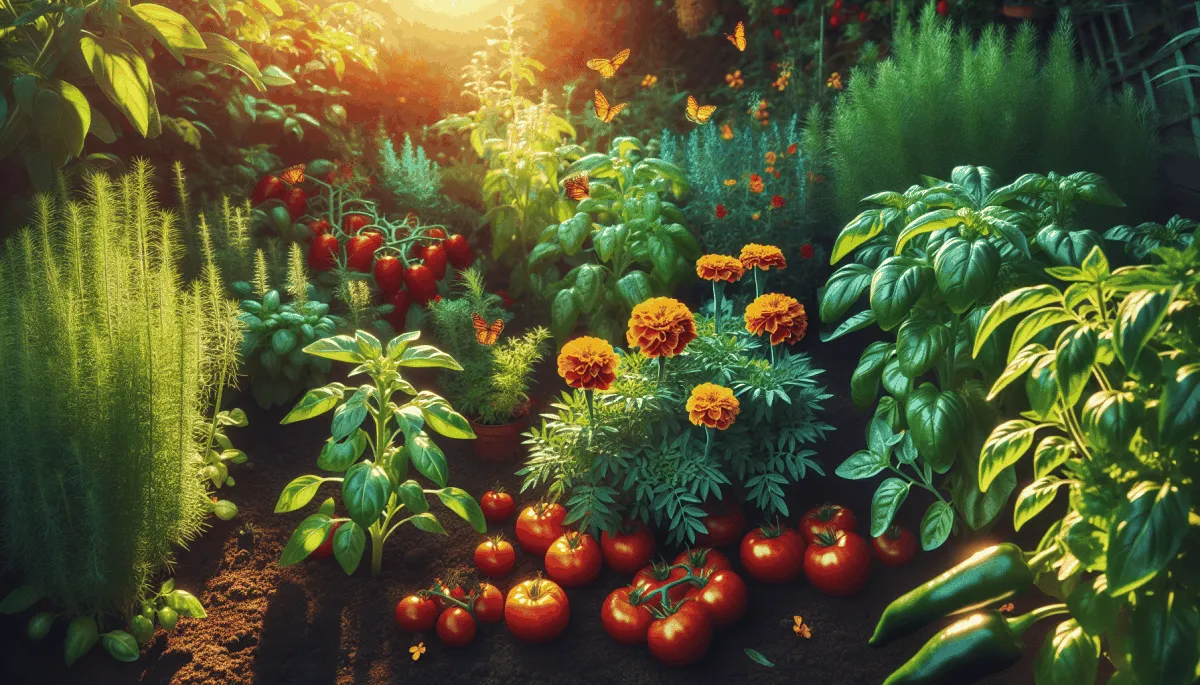
Interplanting compatible crops side by side—such as pairing tomatoes with sweet basil and French marigolds, or growing classic Three Sisters plots of sweet corn, climbing beans, and winter squash—naturally confuses host-seeking insect pests while attracting native bees and predatory beneficial insects right into the heart of your vegetable patch.
Deep Watering, Organic Mulching & Saving Heirloom Seeds
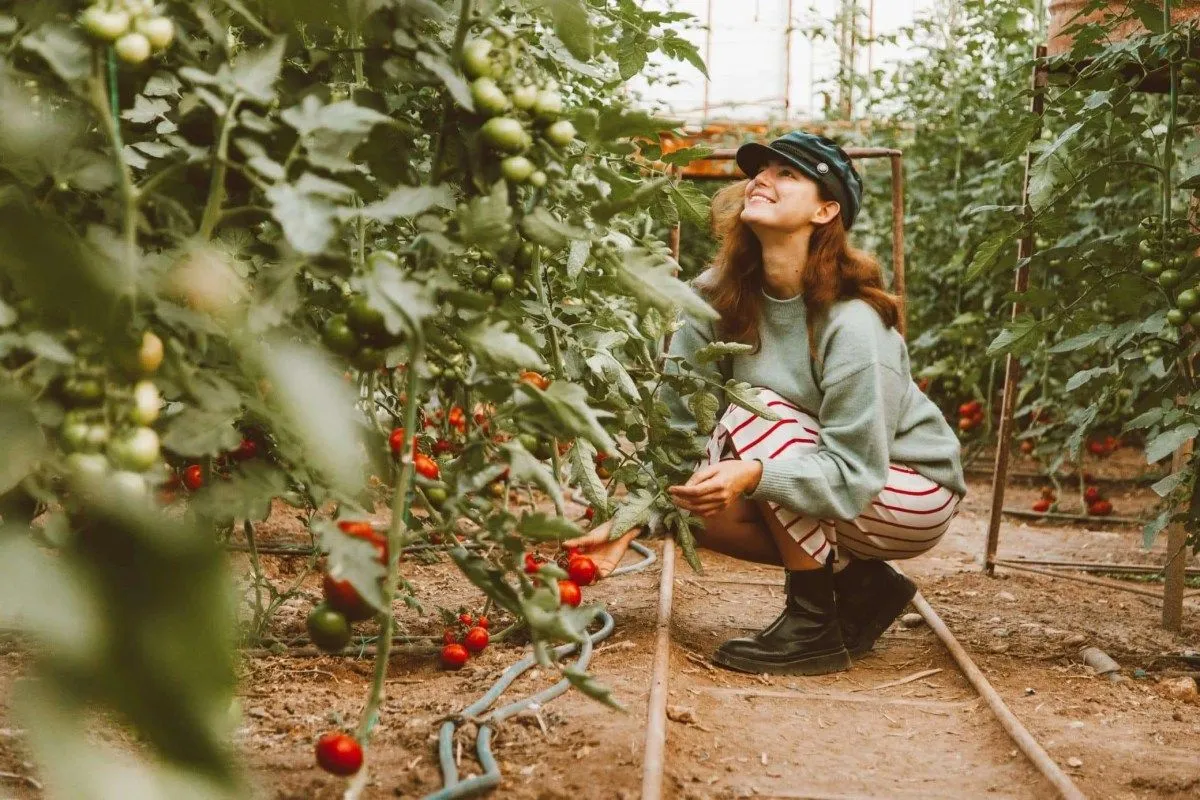
Consistent root-zone moisture is essential for crisp, mild root crops and crack-free heirloom tomatoes. Water deeply at the base of plants in the early morning using soaker hoses or drip irrigation so foliage stays dry and less susceptible to fungal leaf spots and blight. Surround established seedlings with two to three inches of breathable organic mulch—such as pine straw, shredded autumn leaves, or untreated wheat straw—to suppress competing weeds, moderate afternoon soil temperatures, and keep soil microbes active right up to the surface.
Finally, because heirloom vegetables are open-pollinated, you can save seeds from your healthiest, earliest, and most flavorful plants at the end of each growing season. Seed saving gradually adapts your garden strains to your exact backyard microclimate year after year while preserving irreplaceable agricultural biodiversity for future generations. Browse our complete library of step-by-step vegetable growing guides below to master every crop in your plot.